

Exosome Skin Regeneration Treatment: How Advanced Therapies Help Renew Healthy Skin
Published on 2026-11-18 | By Admin
Your skin is constantly renewing itself, replacing old cells with new ones and supporting natural repair processes. But as you age, this renewal process gradually slows down, affecting your skin's texture, tone and overall appearance. Can Skin Regeneration Treatment help support this natural process and restore healthier-looking skin?
Have you noticed your skin looking dull, developing fine lines or taking longer to recover? Ageing, sun exposure, pollution, stress and lifestyle habits can contribute to these changes.
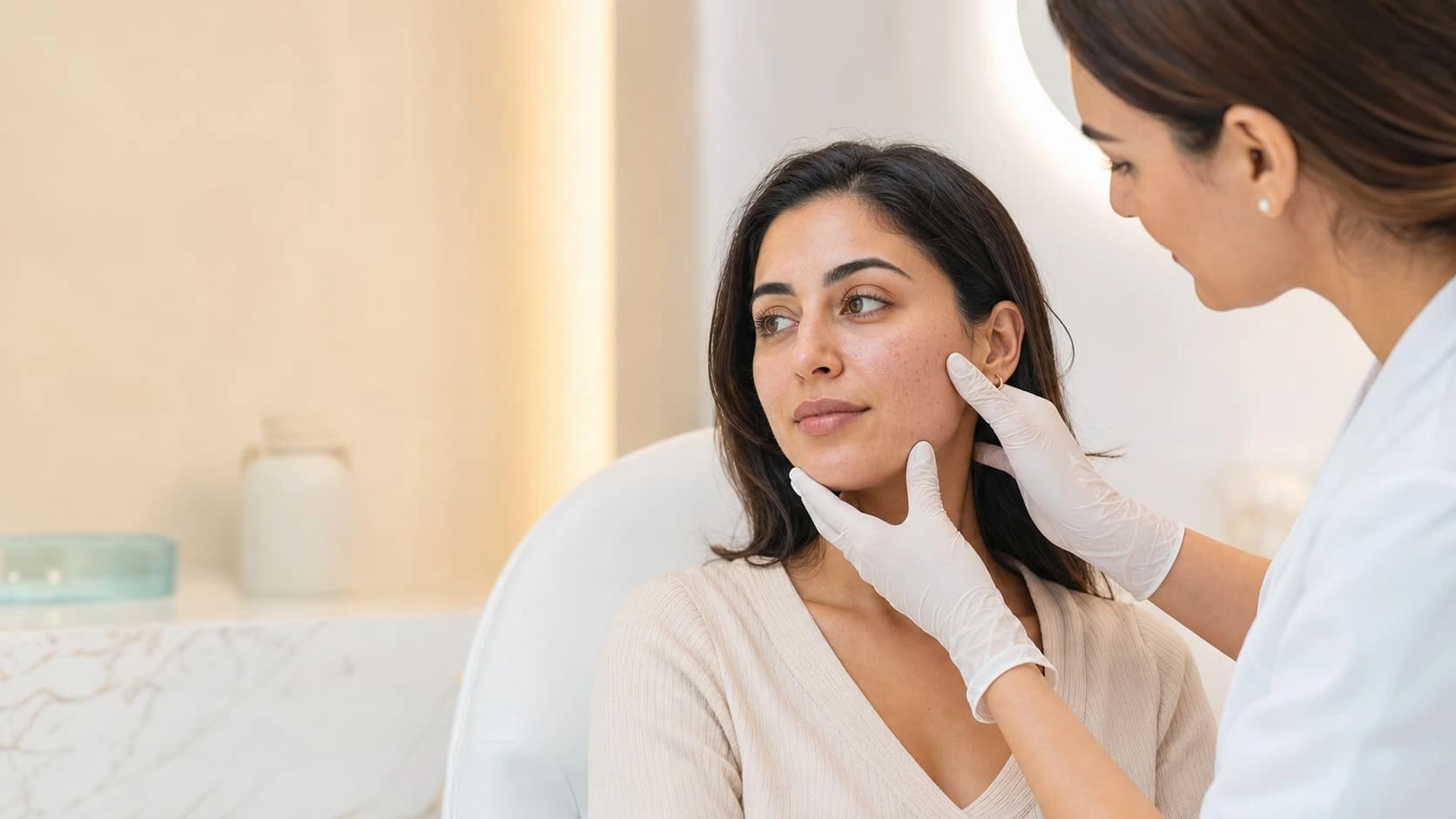
While regular skincare helps maintain skin health, concerns like pigmentation, uneven texture and early signs of ageing may require a more targeted approach. Advanced skin regeneration treatments, including ExoGlo, aim to support skin rejuvenation and improve overall skin quality.
So, how does skin regeneration work, and what role can these treatments play? Let's explore!
What Is Skin Regeneration?
Skin regeneration is the natural process through which your skin replaces older cells, repairs minor damage, and maintains its protective barrier.
New skin cells develop in the deeper layers of the epidermis, gradually move towards the surface, and replace older cells that are shed. This process is known as skin cell turnover.
Meanwhile, collagen and elastin in the dermis help maintain skin firmness, strength, and elasticity.
Healthy skin regeneration helps:
- Maintain smoother skin texture
- Support the skin's protective barrier
- Repair everyday skin damage
- Maintain a healthy-looking complexion
- Support normal wound healing
Why Does Skin Regeneration Slow with Age?
As we age, skin cell turnover gradually slows, collagen production declines, and the skin's repair capacity changes.
These changes may contribute to fine lines, wrinkles, dullness, and reduced firmness.
However, ageing isn't the only factor. UV exposure, pollution, smoking, poor sleep, nutritional deficiencies, and chronic stress can also influence skin health.
This is why healthy skin renewal requires more than an occasional face mask or moisturiser.
Signs Your Skin May Need Professional Regeneration
Does your skin still look dull or uneven despite following a regular skincare routine?
Certain changes may benefit from professional assessment and targeted treatment.
- Dull complexion: Dryness and uneven surface texture can make skin appear tired.
- Uneven skin tone: Sun exposure, inflammation, and hormonal changes may contribute to pigmentation.
- Acne marks and scars: Dark marks and textural scars may remain after breakouts.
- Fine lines and wrinkles: Changes in collagen, elastin, and hydration can make ageing signs more visible.
- Rough skin texture: Dry patches, visible pores, and acne scars may affect skin smoothness.
- Reduced firmness: Age-related changes in collagen and elastin can affect elasticity.
These signs don't mean your skin has stopped regenerating. They may indicate that ageing, environmental exposure, or underlying conditions are influencing its appearance.
A professional skin assessment can help identify the concern and suitable treatment options.
What Are the Types of Skin Regeneration Treatment?
Can skincare products alone address every pigmentation concern, acne scar, or wrinkle?
Not always.
Professional skin regeneration treatments include regenerative skin therapies, laser treatments, chemical peels and collagen-stimulating procedures like microneedling. They are used when skincare alone doesn’t adequately address pigmentation, acne scars or ageing signs.
Regenerative Skin Therapies
Regenerative approaches explore biological processes involved in skin repair and rejuvenation.
Some therapies use growth factors or other biologically active components. However, their clinical evidence and regulatory status vary.
Laser Skin Treatments
Selected laser technologies use controlled light energy to address pigmentation, uneven texture, and visible ageing concerns. Certain lasers also encourage collagen remodelling.
Chemical Peels
Chemical peels use selected exfoliating agents to promote controlled skin renewal.
Depending on their formulation and depth, they may help address dullness, uneven texture, and certain pigmentation concerns.
Collagen-Stimulating Treatments
Procedures such as microneedling and selected energy-based treatments encourage collagen remodelling through controlled stimulation.
They may be considered for certain acne scars, fine lines, and textural changes.
Where Does ExoGlo Fit In?
Among emerging approaches to advanced skin regeneration, VCare offers ExoGlo, an exosome-based regenerative skin therapy.
ExoGlo is intended to support skin rejuvenation and overall skin quality. However, exosome-based aesthetic therapies remain an evolving field, and further clinical research is needed to establish their effectiveness and long-term safety.
How Does ExoGlo Support Skin Regeneration?
Unlike conventional skincare, regenerative therapies explore processes involved in skin repair and renewal. VCare's ExoGlo follows this approach, drawing on exosome-mediated cell communication being studied for its potential role in skin rejuvenation.
ExoGlo aims to support:
- Skin Renewal: Supports natural repair processes
- Skin Texture: Helps improve uneven texture
- Collagen-Related Processes: Targets pathways associated with firmness and elasticity
- Skin Quality: Promotes healthier-looking skin
- Skin Rejuvenation: Addresses visible ageing concerns
What Are the Benefits of Skin Renewal Treatment?
Healthy skin renewal is about more than achieving a temporary glow.
With appropriate skincare and professional treatments, several aspects of skin appearance may improve.
1. Healthier Skin Texture
Dryness and rough patches can make skin feel uneven. Suitable skin repair treatment options may help improve surface texture and smoothness.
2. More Even Skin Tone
Dark spots, post-acne marks, and sun-related pigmentation can affect the complexion. Targeted treatments may help address certain pigmentation concerns.
3. Improved Skin Hydration
Well-hydrated skin generally appears softer and more supple. Moisturising and appropriate skincare help support the skin barrier and reduce dryness.
4. Brighter-Looking Skin
When dryness and uneven texture are addressed, skin may reflect light more evenly, creating a fresher appearance without changing its natural colour.
5. Better Skin Elasticity
Collagen and elastin maintain skin structure. Certain professional procedures may encourage collagen remodelling and improve the appearance of mild laxity.
6. Smoother Skin Appearance
Fine lines, roughness, and textural irregularities may improve with suitable treatments, depending on their cause and severity.
Remember: Skin regeneration treatment focuses on supporting healthier-looking skin, not promising overnight transformation.
Who May Benefit from Skin Regeneration Treatments?
Not every skin concern requires an advanced procedure.
However, professional skin rejuvenation may be considered when regular skincare isn't adequately addressing certain changes.
You may benefit from professional assessment if you're experiencing:
- Dull skin: A tired-looking complexion despite regular skincare
- Early ageing: Fine lines, wrinkles, or reduced firmness
- Acne marks: Persistent dark spots or scars after breakouts
- Pigmentation: Uneven skin tone or sun-related dark spots
- Uneven texture: Roughness, visible pores, or acne scars
- Dehydrated skin: Persistent dryness or tightness
The same treatment won't necessarily suit every concern.
For example, melasma requires a different approach from acne scarring, while dehydrated skin may respond to appropriate barrier care without an advanced procedure.
Treatment suitability depends on your skin type, medical history, and professional assessment.
How Can You Support Skin Regeneration Naturally?
While professional treatments can complement your skincare routine, consistent daily habits play an essential role in supporting your skin's natural renewal and repair.
- Eat a Balanced Diet: Include protein, vitamins, minerals and healthy fats to support skin health.
- Stay Hydrated: Drink adequate water to support normal skin function.
- Get Quality Sleep: Allow your skin time for natural repair and recovery.
- Use Sunscreen Daily: Apply broad-spectrum SPF 30+ to protect against UV-related ageing and pigmentation.
- Follow Gentle Skincare: Avoid harsh products and over-exfoliation to maintain your skin barrier.
- Avoid Smoking: Reduce exposure to factors that contribute to premature skin ageing.
- Seek Professional Guidance: Consult a skin specialist for persistent pigmentation, acne scars or texture concerns.
The takeaway? Consistent daily care builds the foundation for healthy skin. Professional treatments should complement it.
Skin Regeneration Treatment at VCare Hair & Skin Clinics
At VCare, skin rejuvenation begins with a detailed assessment of your skin's texture, pigmentation, hydration and ageing concerns.
Based on your skin's needs, our specialists recommend personalised treatment options, including laser therapies, chemical peels, collagen-stimulating procedures and regenerative treatments like ExoGlo, where clinically appropriate.
Our approach focuses on understanding your skin and choosing the right treatment for its needs.
Conclusion: Healthy Skin Renewal Starts with the Right Care
Your skin naturally renews itself, but ageing, environmental exposure and lifestyle factors can affect this process. While daily skincare and healthy habits remain essential, skin regeneration treatment may help address concerns like pigmentation, uneven texture and visible ageing.
At VCare Hair & Skin Clinics, personalised consultations help identify suitable treatments based on your skin's needs. Because healthy skin renewal starts with the right care, not instant results.
Frequently Asked Questions About Skin Regeneration Treatment
1. What is skin regeneration?
Skin regeneration is the natural process of replacing older skin cells, repairing minor damage, and maintaining the skin's protective barrier.
2. Why does skin regeneration slow with age?
Ageing is associated with slower cell turnover, changes in collagen production, and reduced skin repair capacity.
3. How can I improve skin regeneration?
Balanced nutrition, adequate sleep, daily sunscreen, moisturising, and gentle skincare support normal skin health.
4. Who can benefit from professional skin regeneration treatments?
People experiencing dullness, pigmentation, uneven texture, acne scars, or early signs of ageing may benefit from professional assessment.
5. How long does skin renewal take?
Epidermal renewal often takes approximately four weeks in younger adults, but varies with age, body area, and skin condition.
6. Can lifestyle affect skin regeneration?
Yes. UV exposure, smoking, poor sleep, stress, and nutritional deficiencies may influence skin health.
7. Is professional consultation necessary before treatment?
Yes. A qualified professional can assess your skin and explain suitable treatments, potential benefits, and risks.
8. What is the difference between skin regeneration and rejuvenation?
Skin regeneration refers to natural repair and renewal processes. Skin rejuvenation involves approaches intended to improve skin appearance.
9. Can skin regeneration treatments improve acne scars?
Selected lasers and microneedling procedures may improve certain acne scars through collagen remodelling.
10. What is ExoGlo skin regeneration treatment?
ExoGlo is VCare's exosome-based regenerative skin therapy intended to support rejuvenation. Clinical evidence for specific exosome-based aesthetic applications is still developing.
11. Is skin regeneration treatment safe?
Safety depends on the procedure, your skin type and medical history. Treatments should be performed by qualified professionals after a skin assessment.
12. How many sessions of skin regeneration treatment are needed?
The number of sessions varies with the treatment type, skin concern and individual response. Your specialist will suggest a plan after consultation.
13. Is there downtime after skin regeneration treatment?
Some treatments, like mild peels, have minimal downtime, while lasers or microneedling may cause temporary redness. Your specialist will explain aftercare.

 info@vcaretrichology.com
 +91 709 2525 252
 View All Locations


