

Skin Tan Removal Treatment: Causes, Symptoms, Types, Procedures & Results

.svg)
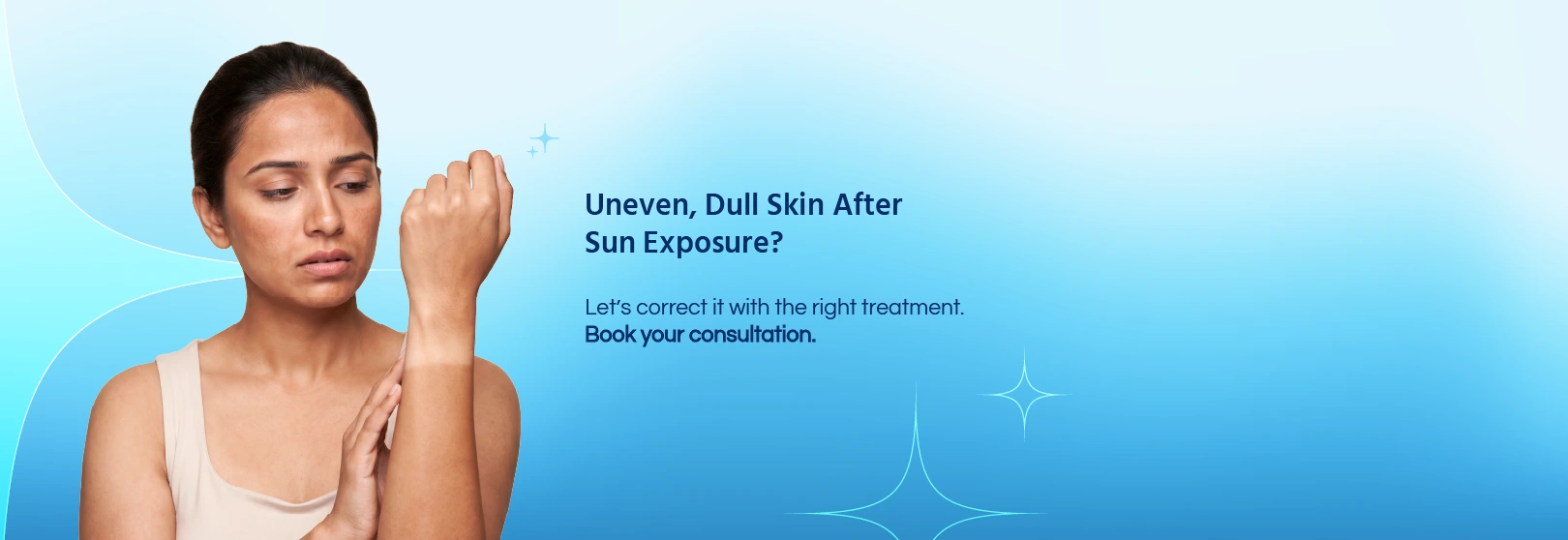
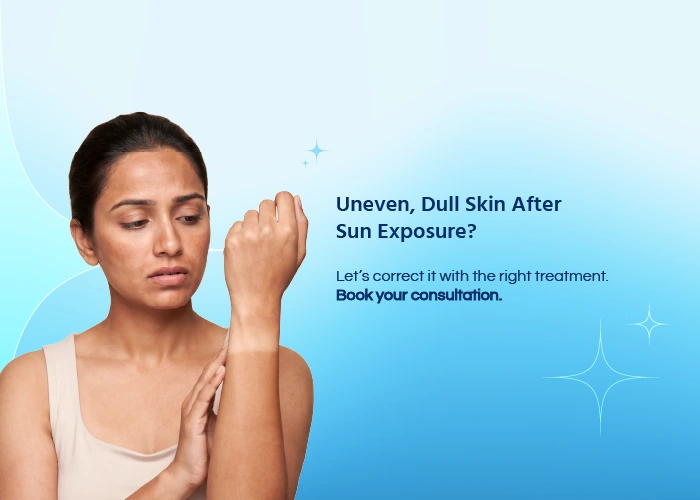
Tanned skin develops when prolonged exposure to ultraviolet (UV) radiation stimulates excess melanin production. This natural defence mechanism causes visible darkening and uneven pigmentation on exposed areas of the skin.
What is Skin Tan?
Tanned skin refers to the darkening of the skin caused by prolonged exposure to the sun's ultraviolet (UV) rays. It occurs when the skin produces excess melanin as a natural defense mechanism against UV damage, leading to uneven skin tone, pigmentation, and a dull appearance.
Causes of Tanned Skin
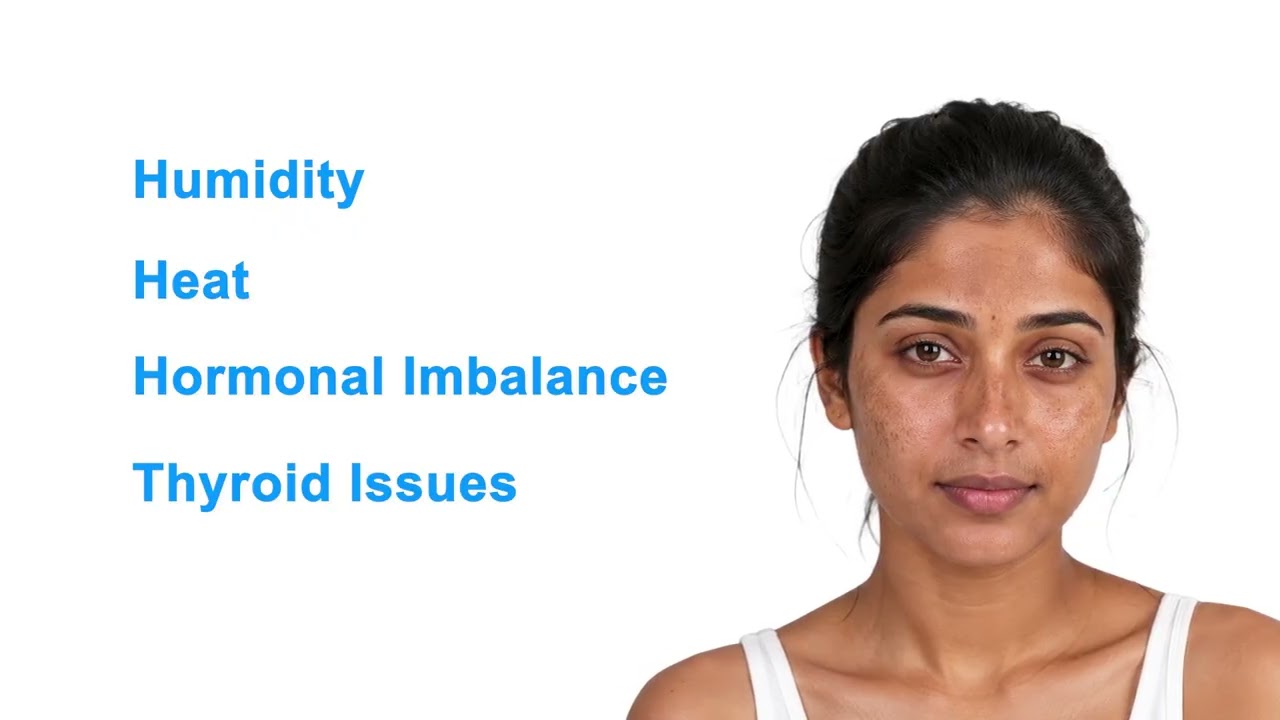
Tanned skin is commonly caused by prolonged sun exposure, heat, and UV radiation. Hormonal changes, pigmentation concerns, and genetic factors can also contribute to skin darkening.

UVA & UVB Exposure
Prolonged exposure to UVA and UVB rays stimulates excess melanin production, leading to visible darkening of the skin.

Outdoor Activities
Frequent outdoor activities without adequate sun protection allow UV rays to tan and damage exposed skin.

Heat & Humid Climate
Hot and humid climatic conditions can intensify tanning and worsen uneven pigmentation over time.

Hormonal Changes
Hormonal changes and pigmentation disorders can trigger uneven skin tone and stubborn dark patches.

Post-Inflammatory Pigmentation
Post-inflammatory hyperpigmentation may appear after acne or skin irritation, leaving lingering discoloration.

Photosensitive Reactions
Certain medications or skincare products can cause photosensitive reactions that lead to tanning and pigmentation.

Genetic Predisposition
A genetic predisposition and naturally higher melanin production can make some skin types tan more easily.
Types of Skin Tan
Skin tanning can vary depending on your natural skin type and melanin levels. Understanding your skin type helps doctors choose the most suitable tanning and pigmentation treatment.
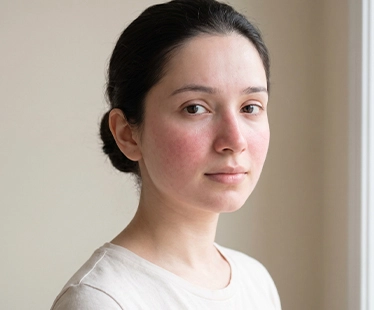
Skin Type I – Very Fair Skin
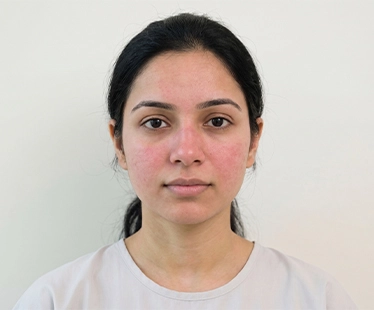
Skin Type II – Fair Skin

Skin Type III – Medium Skin Tone

Skin Type IV – Light Brown Skin
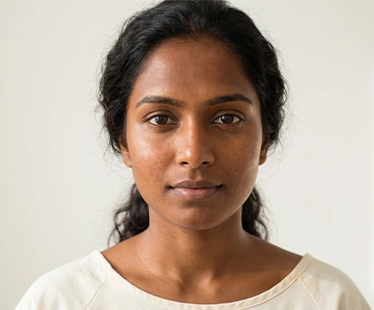
Skin Type V – Brown Skin

Skin Type VI – Deeply Pigmented Skin


When to See a Doctor?
If stubborn tanning, uneven skin tone, or skin dullness persists despite home care, consult a doctor for a personalized skin tan treatment plan.
Persistent Pigmentation
If dark spots or melasma continue to worsen over time.
Uneven Tone After Acne
When acne clears but discoloration remains visible.
Body Pigmentation Concerns
If neck, arms, or legs show uneven color compared to facial skin.
Failed Home Remedies
If DIY methods and over-the-counter creams show no improvement.
Before Special Events
If you are looking for safe and visible results before weddings or occasions.
How Skin Lightening Treatment at VCare Works: Step by step procedure

Advanced Skin Consultation

Diagnostic Skin Analysis

Personalized Treatment Plan
Treatments available at VCare for tanned skin
VCare offers advanced skin tan treatment with expert skin assessment, customized treatment plans, targeted tan correction, and comprehensive aftercare to help achieve clearer, brighter, and more even-toned skin.
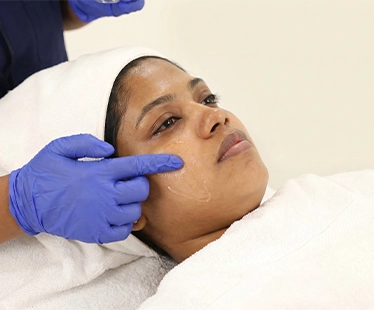
Chemical Peel for Skin Whitening
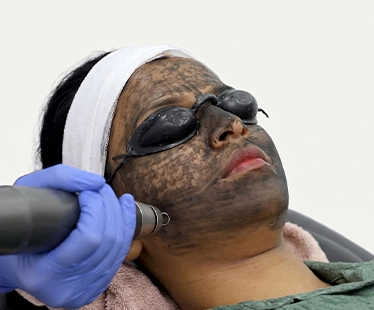
Laser Skin Lightening
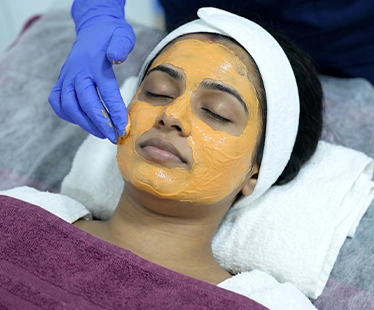
Melaessence Treatment

Full Body Whitening Treatment
.png)
.png)
Why Choose VCare for Tanned Skin Treatment
VCare combines advanced skin diagnostics, personalized treatment plans, and clinically proven technologies to effectively address tanning and pigmentation concerns.

Advanced Technologies designed to maximize results while minimizing downtime.

Strict Hygiene & Safety Protocols for a safe, sterile, and comfortable treatment experience.

Customized Solutions for Every Concern with visible improvements often seen within a few sessions

Dedicated Support from consultation to post-treatment care, with complete cost transparency.

A Legacy of Trust built by over 1 million satisfied clients across India through clinically driven results.
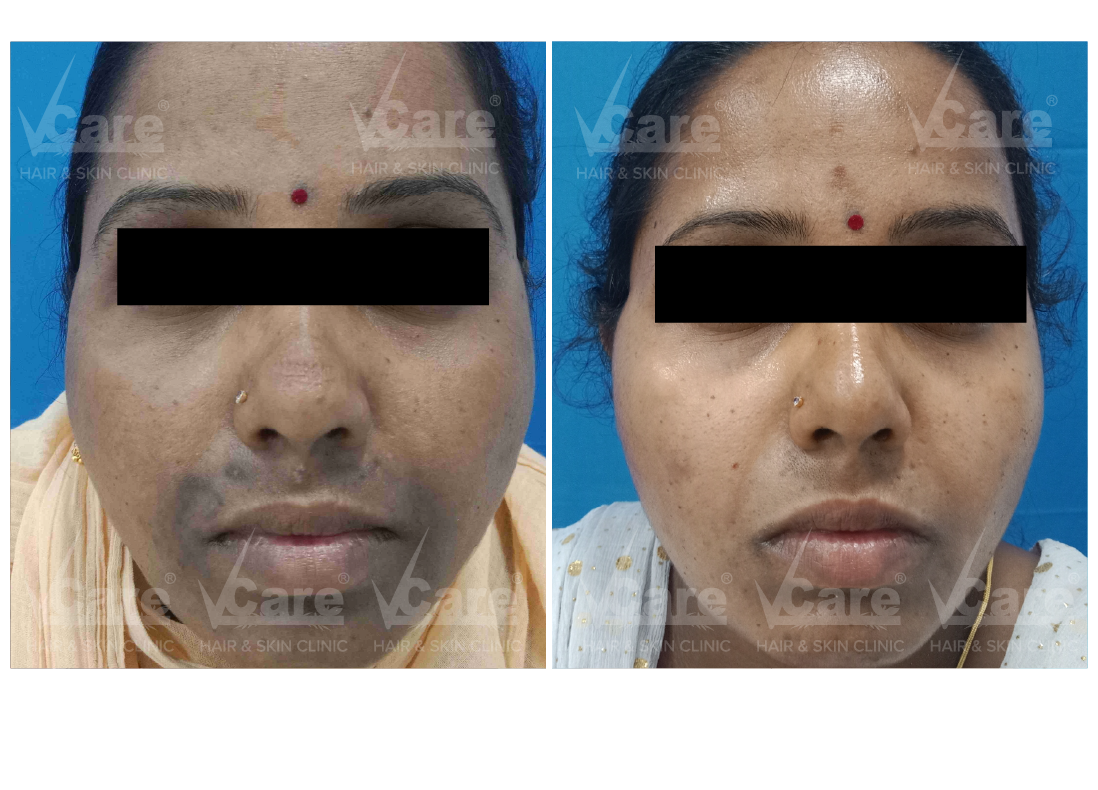
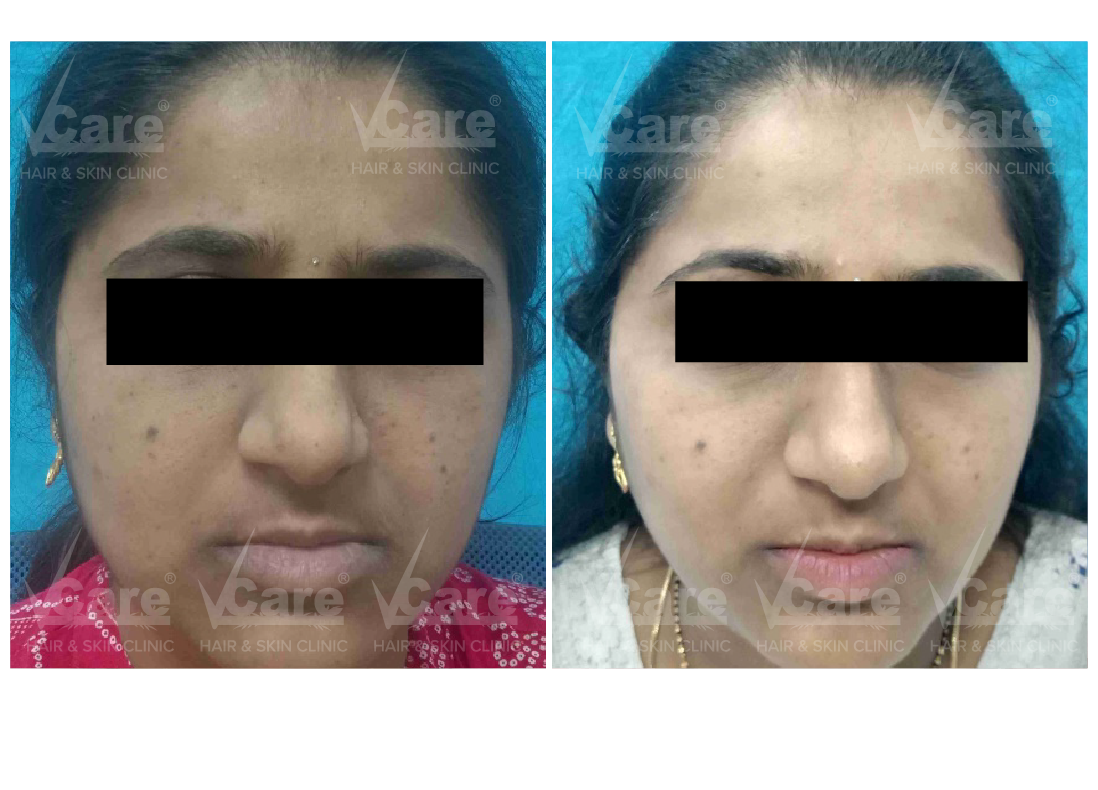
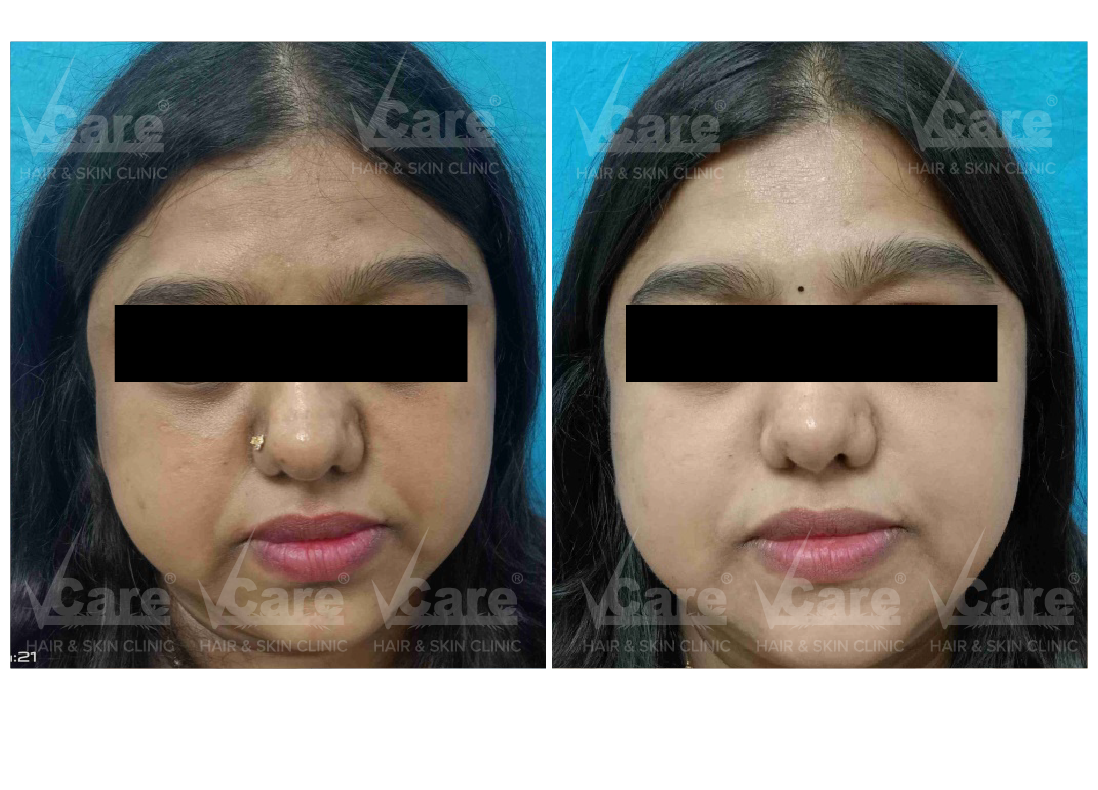
Before & After Tanned Skin Treatment Results
Explore visible improvements in skin tone, pigmentation reduction, and overall skin radiance through personalized Tanned Skin Treatment plans.
Before
After
Before
After
Before
After
Hear From Our Expert Doctors
Start Your Journey to Brighter, Even-Toned Skin
If you are looking for effective Tanned Skin Treatment, visit your nearest VCare clinic for expert consultation and customized skin brightening solutions. Our treatments are designed to reduce tanning, improve skin clarity, and restore a healthier-looking complexion.
Real Experiences Shared by Our Clients


Ravi Hittalamani
Yelahanka, Karnataka


Arun
Kalyan Nagar, Karnataka

Gopikannan Gopi
Vellore, Tamil Nadu
Mohammed Obaid Uddin
Banjara Hills, Telangana
Uppu Himabindu
Vijayawada, Andhra Pradesh
Shenbha Jayagopi
Perambur, Tamil NaduFrequently Asked Questions
Skin tanning occurs when the skin produces excess melanin in response to sun exposure, causing the skin to appear darker than its natural tone.
No. Most tanning can be reduced with proper skincare, sun protection, and professional treatments. However, long-term sun damage may require advanced treatment.
If your face, hands, neck, or exposed body parts appear darker than the rest of your skin, it is likely due to tanning.
The primary cause is exposure to UV rays from the sun. Other factors include heat, pollution, and inadequate sun protection.
Mild tanning may fade over time with proper skincare and sun protection. However, deeper tanning often requires professional treatment for faster and more effective results.
The face, neck, arms, hands, feet, and back are commonly affected because they are frequently exposed to sunlight.
Depending on the severity of the tan, treatments may include detan therapies, chemical peels, skin-brightening treatments, and customized skincare solutions.
The number of sessions varies based on the depth of pigmentation, skin type, and extent of sun damage. A consultation can determine the right treatment plan.
Yes. Without proper sun protection, tanning can reoccur. Regular sunscreen use and skincare maintenance are essential.
Use a broad-spectrum sunscreen, wear protective clothing, avoid peak sun hours, and maintain a healthy skincare routine.

 info@vcaretrichology.com
 +91 709 2525 252
 View All Locations


