

Dandruff - Causes, Symptoms, Procedures, Results & Reviews

.svg)
Dandruff is one of the most frequent scalp concerns faced by people of all ages. Though not medically serious, it can affect comfort, confidence, and even scalp health if ignored.
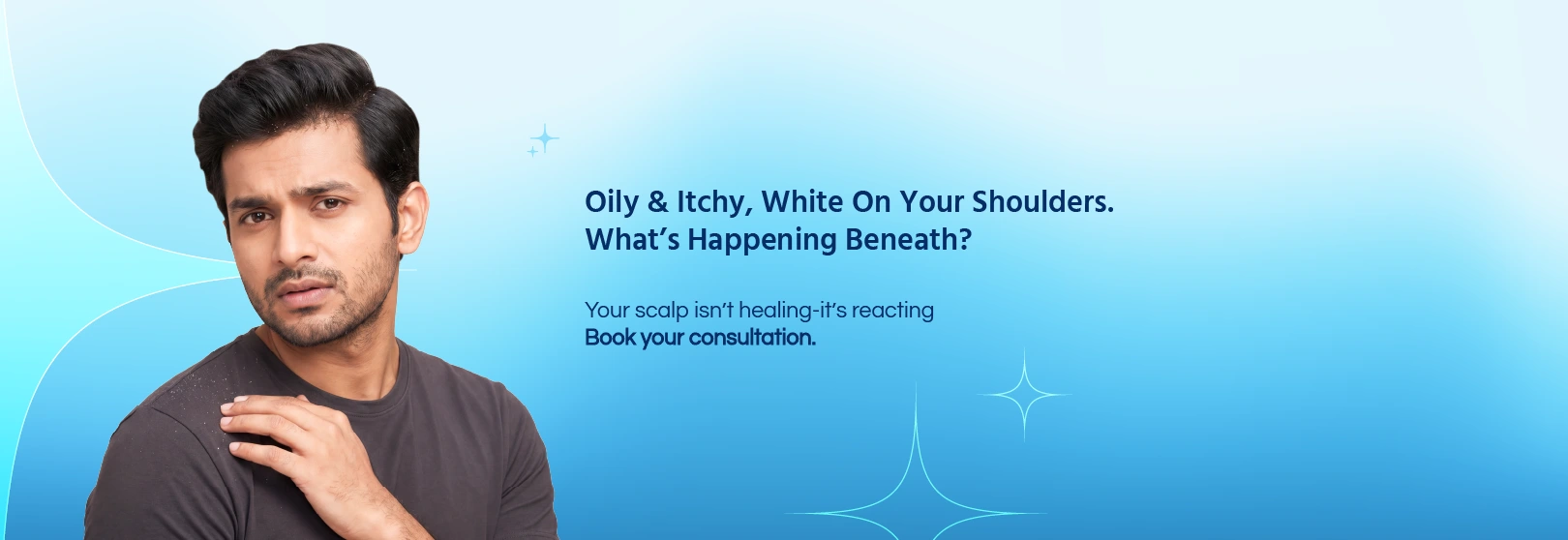
What is Dandruff?
"Dandruff" refers to the shedding of dead skin cells from the scalp, which appear as white or yellow flakes. It can settle on your scalp, hair, or shoulders and is often accompanied by itching, dryness, and irritation.
While many look for a quick dandruff solution, managing it effectively depends on addressing its root causes. VCare's treatments focus on controlling scalp flaking, reducing itching, balancing scalp health, and preventing recurring dandruff for long-term relief.
What Causes Dandruff?
Dandruff is often linked to scalp dryness, fungal overgrowth, oily scalp conditions, product sensitivity, and lifestyle factors that disrupt scalp balance.

Fungal Overgrowth (Malassezia)
A yeast-like fungus naturally present on the scalp can multiply and cause inflammation, leading to flaking.

Dry Skin
A dehydrated scalp loses natural moisture, leading to dry dandruff and itching.

Oily Scalp / Seborrheic Dermatitis
Excess oil traps dead cells, causing sticky, yellowish flakes called oily dandruff.

Poor Hygiene
Infrequent shampooing leads to oil and product buildup, worsening dandruff.

Stress and Lifestyle Factors
Emotional stress and hormonal changes are known to aggravate dandruff.

Product Sensitivity
Certain hair products and chemicals can irritate the scalp.
Each scalp reacts differently, which is why personalized assessment is key to knowing how to reduce dandruff effectively.
Types Of Dandruff
Different types of dandruff include dry dandruff and oily dandruff, both of which affect scalp health differently and may require personalized treatment approaches.
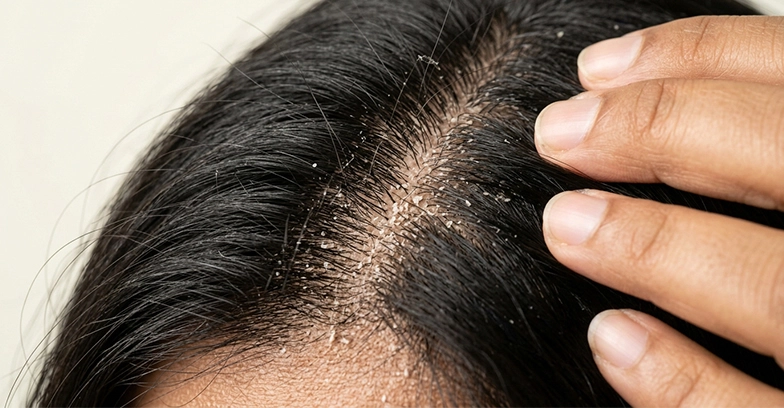
Dry Dandruff
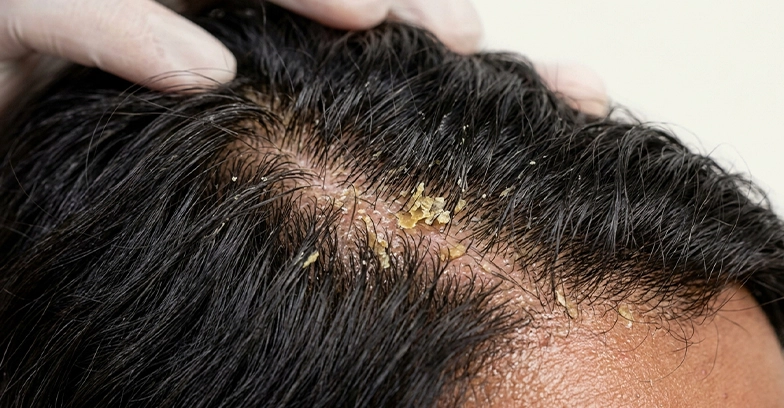
Oily Dandruff (Seborrheic)


Knowing your type of dandruff is key to choosing the right dandruff solution.
Symptoms Of Dandruff
Dandruff symptoms can range from mild scalp flaking to persistent itching, irritation, and visible scalp changes that affect overall scalp comfort and health.
Visible white or yellow flakes on hair and shoulders
Persistent itching or irritation
Greasy or scaly patches on the scalp
Redness or sensitivity around hair follicles
Flakes around the eyebrows, ears, or beard (in severe cases)
When to see a doctor for dandruff solution?
Consulting a doctor for dandruff solution is recommended when symptoms become persistent, severe, or begin affecting scalp health and hair growth.
.png)
.png)
VCare’s Step-by-step Process for Dandruff Treatment

Expert Consultation

Diagnosis

Treatment plan
Dandruff Treatments at Vcare
How to remove dandruff depends on the underlying cause, severity of symptoms, and a personalized treatment approach focused on scalp health.
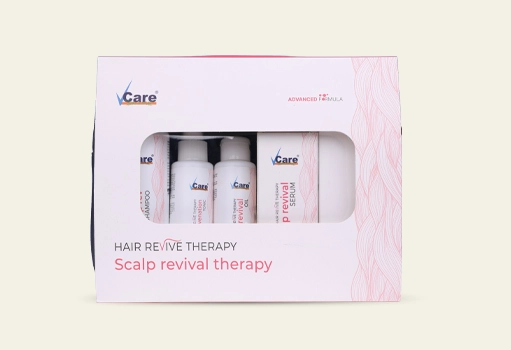
Hair Rejuvenation Therapy
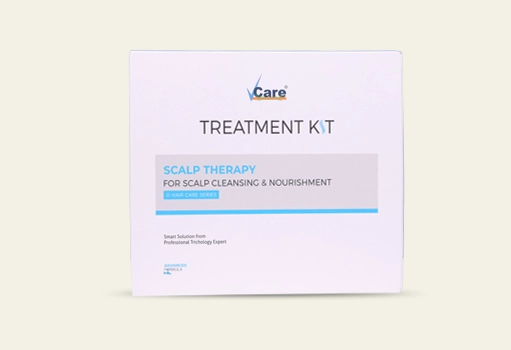
RTK Scalp Therapy Kit
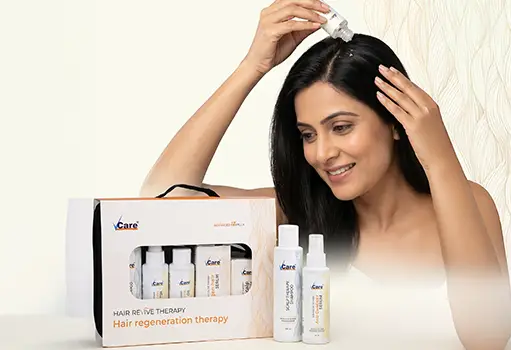
Topical Treatments

Lifestyle Guidance
Why Choose VCare for Dandruff Treatment?
At VCare, we combine expertise, advanced diagnostics, and care to address your dandruff concern effectively. Explore our VCare Dandruff Treatment to learn how expert care can restore your scalp’s natural balance.

Advanced Technologies designed to maximize results while minimizing downtime.

Strict Hygiene & Safety Protocols for a safe, sterile, and comfortable treatment experience.

Customized Solutions for Every Concern with visible improvements often seen within a few sessions

Dedicated Support from consultation to post-treatment care, with complete cost transparency.

A Legacy of Trust built by over 1 million satisfied clients across India through clinically driven results.
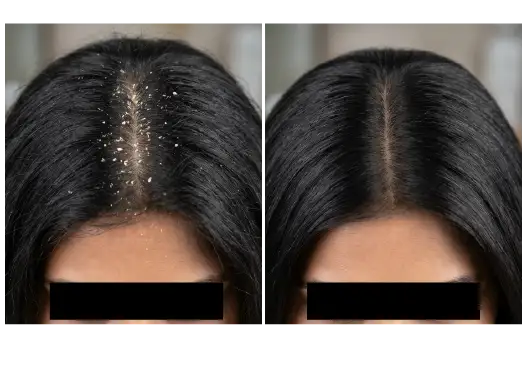
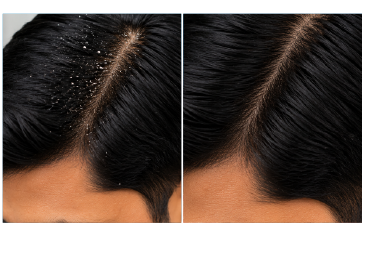
Before & After Dandruff Treatment Results
Explore the visible results of personalized dandruff treatment that helped reduce scalp flaking, control dandruff, improve scalp health, and support healthier-looking hair.
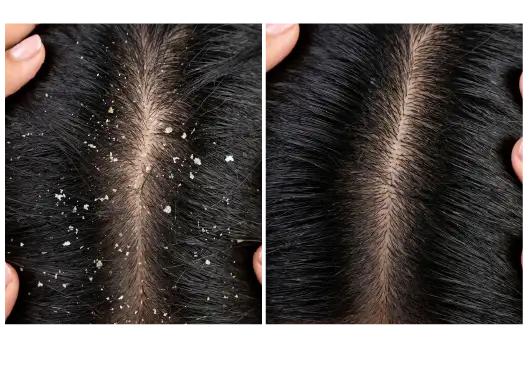
Before
After
Before
After
Before
After
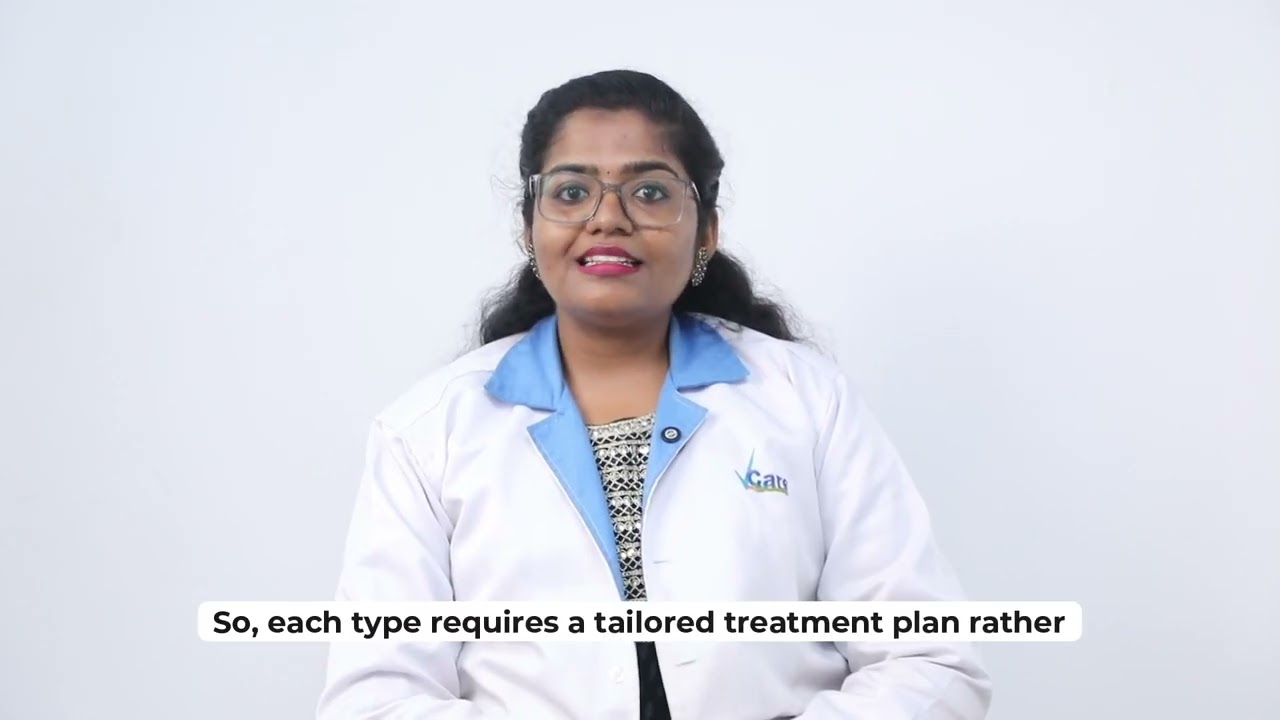
Hear From Our Expert Doctors
Start Your Journey to a Healthier, Flake-Free Scalp
If you are searching for dandruff treatment near you, visit your nearest VCare branch for personalized scalp care solutions. Our advanced dandruff treatment is designed to reduce scalp flaking, control dandruff, improve scalp health, and support healthier-looking hair.
Contact us to know more about dandruff treatment options and consultation details based on your scalp condition, dandruff severity, and scalp health goals.
Real Experiences Shared by Our Clients


Hari Priya
Chromepet


Vijay R
Puducherry

Vijayalakshmi Rajappan
Chromepet
Abarna
T. Nagar
Swapnika Thokati
Banjara Hills
Sai Manikanta B
VijayawadaFrequently Asked Questions
Dandruff is a scalp condition where dead skin cells shed excessively, leading to visible white or yellow flakes. It commonly occurs due to an overgrowth of the fungus Malassezia, oily scalp, poor hygiene, or dryness. Understanding what causes dandruff helps identify the right dandruff solution and prevent recurrence.
To know how to remove dandruff quickly, start by washing your scalp with a mild, anti-fungal shampoo twice a week. Maintain proper scalp hygiene, avoid harsh styling products, and gently exfoliate the scalp. While home remedies can help temporarily, professional anti dandruff treatments ensure deeper cleansing and lasting results.
Yes, dandruff can cause hair fall when itching and inflammation weaken the hair roots. Continuous scratching damages follicles and disturbs natural growth cycles. Treating the root cause with an expert-designed dandruff treatment helps reduce both flaking and hair loss effectively.
Many people search for how to cure dandruff permanently, but achieving lasting results requires a consistent approach. Regular scalp care, medicated shampoos, and professional trichologist guidance can address underlying causes. At VCare, our specialists identify your scalp type and create a customized dandruff treatment plan that targets long-term relief.
There are two main types of dandruff — dry dandruff and oily dandruff (seborrheic dermatitis). Dry dandruff causes white, powdery flakes, while oily dandruff leads to yellow, greasy scales due to excess sebum. Understanding your dandruff type helps decide how to remove dandruff effectively.
If you’re wondering how to prevent dandruff from recurring, consistency is key. Use mild anti-dandruff shampoos, keep your scalp clean, eat a balanced diet, and manage stress. Regular scalp check-ups at VCare help monitor progress and recommend preventive care.
Yes, stress is one of the reasons for dandruff. Psychological stress can disrupt scalp oil balance and immunity, worsening flaking and itching. Relaxation, sleep, and hydration help reduce stress-triggered dandruff, while a professional dandruff solution ensures long-term scalp health.
No, dandruff is not contagious. It is caused by internal and external scalp factors, not by contact. Maintaining good hygiene and taking VCare anti-dandruff treatments are sufficient to manage it.
For those asking how to remove dandruff permanently and safely — always choose expert-recommended sulfate-free products. Harsh chemicals can irritate the scalp. The safest approach is consulting experts for a VCare dandruff treatment, which focuses on gentle yet effective scalp restoration.
If you’re seeking a trusted dandruff treatment in Chennai, visit your nearest VCare Skin & Hair Clinic. Our trained experts use advanced diagnostic tools to identify the exact reasons for dandruff and provide customized care that ensures visible improvement in both scalp health and confidence.If you’re tired of recurring flakes, itching, and discomfort, take the first step toward lasting relief.
A scalp treatment for dandruff may include scalp cleansing, flake management, and targeted care based on the underlying cause.
Hair dandruff treatment focuses on managing flakes, itching, excess oil, and scalp irritation with personalized scalp care.

 info@vcaretrichology.com
 +91 709 2525 252
 View All Locations


