

Alopecia Areata Treatment - Causes, Symptoms, Procedures, Results & Reviews

.svg)
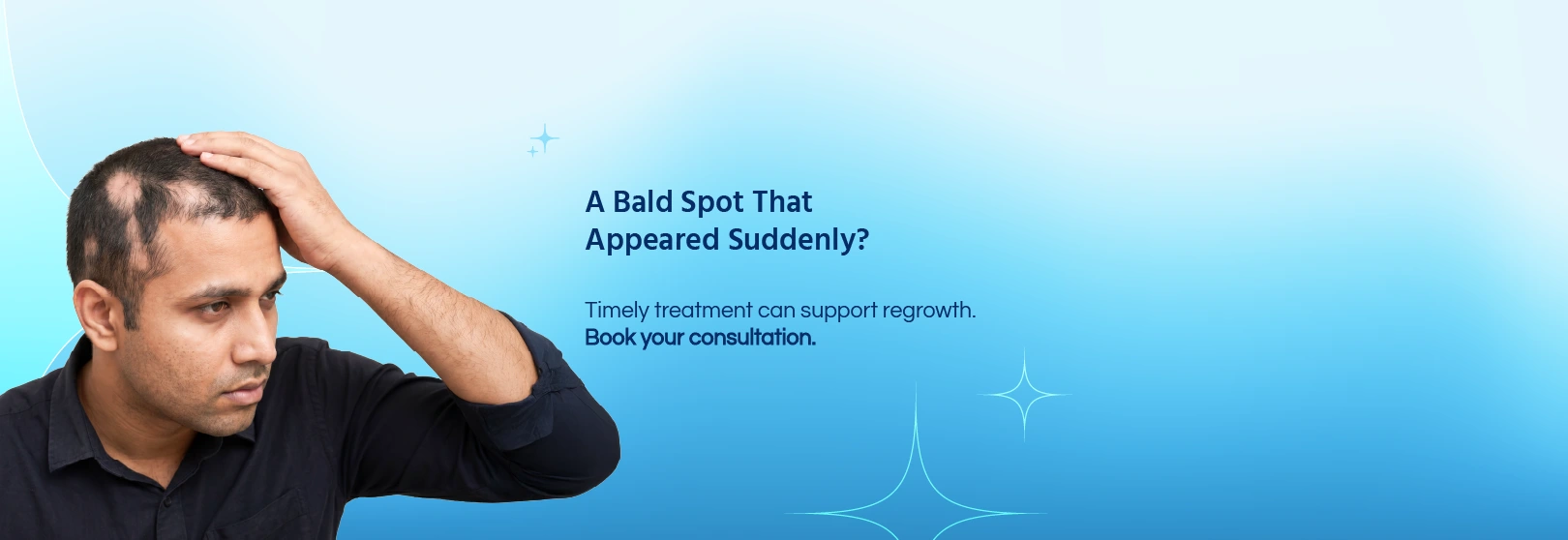
Alopecia Areata are visible spots of hair loss that can appear on the scalp, beard, eyebrows, or other parts of the body. They may develop suddenly or gradually, depending on the underlying cause. They can affect anyone, regardless of age, gender, or ethnicity. While baldness is not medically serious, they can deeply impact self-esteem and overall quality of life.
What is Alopecia Areata?
Alopecia Areata are visible areas of hair loss where hair becomes noticeably thin or completely absent, exposing the scalp. They can occur due to factors such as genetics, alopecia, scalp conditions, stress, hormonal imbalances, or damage to hair follicles, affecting both men and women.
Causes of Alopecia Areata
Alopecia Areata can occur due to a mix of internal and external factors. Understanding these causes can help you take the right preventive and treatment measures.

Autoimmune Conditions
One of the most common causes of bald patches, where the immune system mistakenly attacks healthy hair follicles, resulting in lo... Read More

Genetic Factors
A family history of baldness or autoimmune disorders may increase your risk.

Stress
Significant physical or emotional stress may contribute to hair shedding and can sometimes trigger or worsen patchy hair loss .

Hormonal Imbalance
Thyroid disorders and other medical conditions may contribute to hair thinning or localized hair loss in some individuals.

Environmental Factors
Exposure to certain infections, inflammatory scalp conditions, or environmental exposures may contribute to hair loss.

Nutritional Deficiencies
Lack of essential nutrients like zinc, iron, vitamin D, or protein can weaken hair growth and may act as contributing factors.
Types of Alopecia Areata
Types of Alopecia Areata include patchy alopecia areata, alopecia totalis, alopecia universalis, diffuse alopecia areata, and ophiasis pattern alopecia.
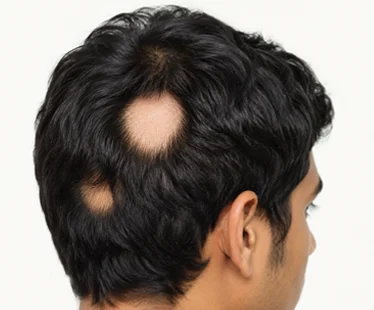
Patchy Alopecia Areata
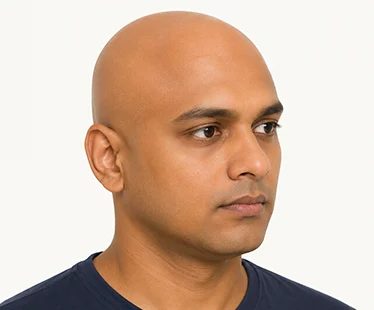
Alopecia Totalis
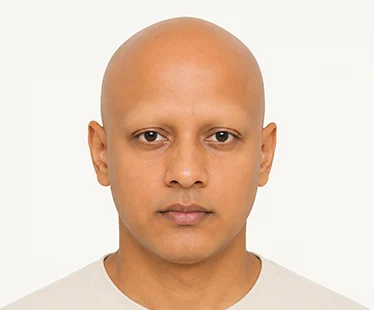
Alopecia Universalis


Early Symptoms of Alopecia Areata
Symptoms of Alopecia Areata may include round hairless areas, hair loss in other body regions, nail abnormalities, and scalp sensations.
Sudden Hair Loss
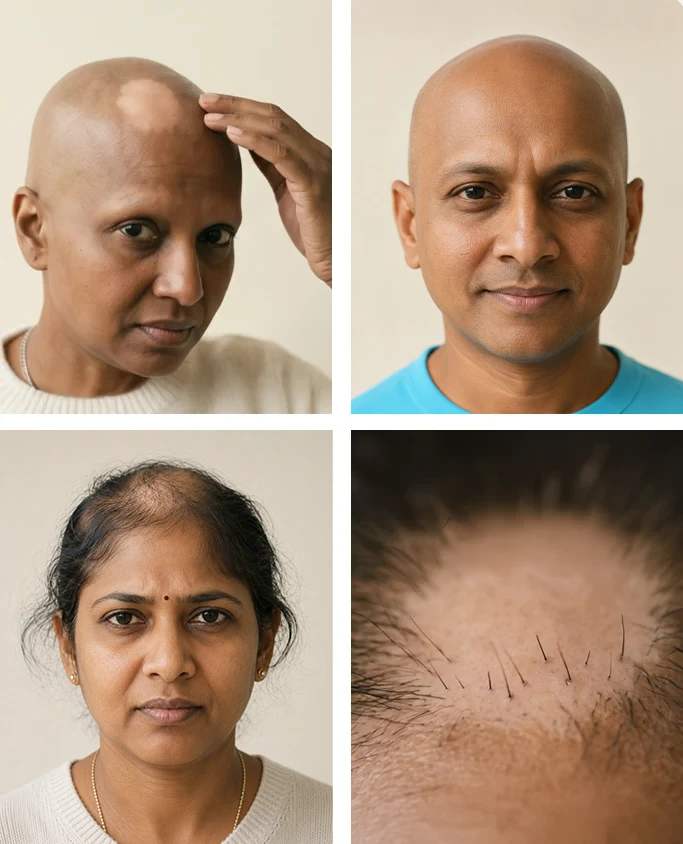
Hair loss occurs in round patches on the scalp.
Hair loss in other body parts
Hair loss in eyebrows, eyelashes, and beard
Nail Changes
Nails might start showing tiny dents or lines and feel rough or weak
Extensive Hair Loss
Hair loss that continues for a long period without improvement
Tingling or Itching
Individuals might face an itching or prickling sensation along with hairfall.
Exclamation point hairs
Short broken hairs at the edge of the bald area, giving a distinct shape
When to visit the doctor for Alopecia Areata Treatment?
If home remedies or topical products haven’t helped with your Alopecia Areata and you notice the following signs, it's best to seek expert advice from a hair specialist for proper diagnosis and treatment.
.png)
.png)
Step-by-Step Process for Alopecia Areata at VCare

Expert Consultation

Hair Diagnostics

Treatment Plan
Alopecia Areata Treatments at Vcare
VCare offers advanced Alopecia Areata treatments designed to stimulate hair follicles, support hair regrowth, improve scalp health, and promote healthier hair growth in affected areas.
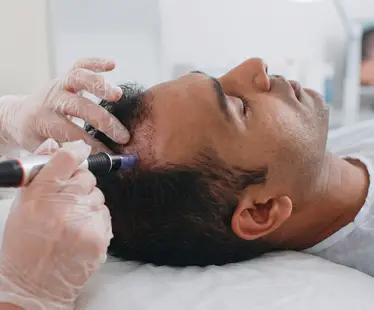
Microneedling Therapy
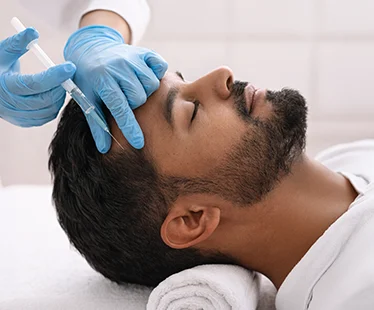
EXOGRO Therapy
Why choose Vcare for Alopecia Areata Treatment?
VCare provides Alopecia Areata Treatment supported by advanced scalp diagnostics, root-cause evaluation, personalized treatment planning, and ongoing hair restoration support.

Advanced Technologies designed to maximize results while minimizing downtime.

Strict Hygiene & Safety Protocols for a safe, sterile, and comfortable treatment experience.

Customized Solutions for Every Concern with visible improvements often seen within a few sessions

Dedicated Support from consultation to post-treatment care, with complete cost transparency.

A Legacy of Trust built by over 1 million satisfied clients across India through clinically driven results.
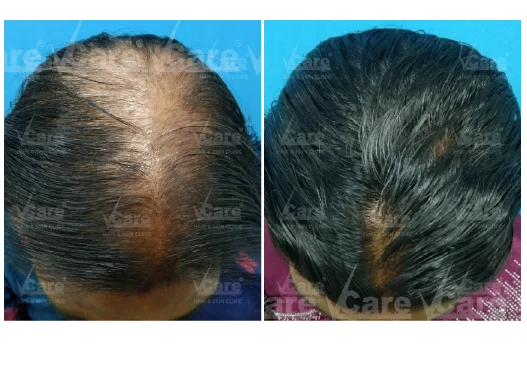
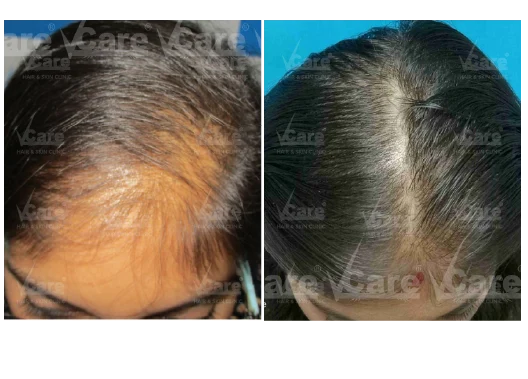
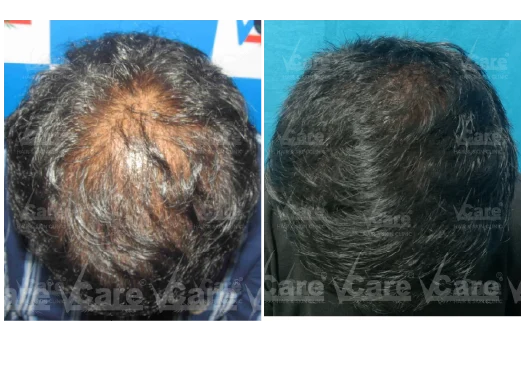
Before & After Alopecia Areata Treatment Results
Explore the visible results of personalized Alopecia Areata treatment that helped support hair regrowth, improve hair density in affected areas, strengthen weakened follicles, and promote healthier-looking hair.
Before
After
Before
After
Before
After
Hear From Our Expert Doctors
Start Your Journey to Hair Regrowth and Scalp Recovery
If you are searching for Alopecia Areata treatment near you, visit your nearest VCare branch for advanced hair restoration solutions. Our personalized Alopecia Areata treatment is designed to stimulate hair follicles, support hair regrowth, improve scalp health, and enhance hair density in affected areas.
Contact us to learn more about Alopecia Areata treatment options and consultation details tailored to your hair loss condition, scalp health, and hair restoration goals.
Real Experiences Shared by Our Clients


Velmurugan D
Puducherry


S. Geetha Priyanka
Kanchipuram

Nitesh Kami
Indira Nagar
Harshitha Harshitha
Jaya Nagar
Triveni Depuri
Moosapet
Usha Anthati
LB NagarFrequently Asked Questions
Yes, with proper medical assessment and timely treatment, hair can often regrow in bald patches.
Alopecia Areata, an autoimmune condition, is one of the most common causes, though genetics, stress, and hormonal imbalance also play major roles.
A balanced diet, scalp massages, and stress management can help, but medical treatments yield effective, long-lasting results.
Usually, it’s not permanent. With timely diagnosis and treatment, hair regrowth is often possible.
If you notice sudden or spreading bald spots, nail changes, or itching, consult a dermatologist immediately.
Yes. Emotional stress can trigger or worsen hair loss by disturbing the normal hair growth cycle.
PRP Therapy and Microneedling are highly effective, as they rejuvenate hair follicles and stimulate natural hair growth.
Yes. Female alopecia areata can cause round or patchy areas of hair loss on the scalp and may also affect the eyebrows or other areas.
Common alopecia areata causes are linked to an autoimmune response, while genetics and certain triggers may also influence the condition.

 info@vcaretrichology.com
 +91 709 2525 252
 View All Locations


