

Acne Treatment: Causes, Symptoms, Procedures, Results & Reviews

.svg)
What is Acne?
Acne is a common skin condition (chronic inflammatory skin condition) that occurs when hair follicles become clogged with dead skin cells or excess oil and bacteria, resulting in visible bumps on the skin, such as whiteheads, blackheads, papules, pustules, nodular or cysts commonly known as acne/pimples. Understanding the condition early may help support suitable acne treatment and healthier skin management.
Acne vulgaris is the most common form of acne and refers to a skin disorder that affects the pilosebaceous glands (hair follicles and sebaceous glands). It involves increased sebum production, abnormal shedding of dead skin cells, proliferation of Cutibacterium acnes, and inflammation, resulting in redness, swelling, and visible skin lesions. Acne vulgaris treatment typically depends on the type, severity, and underlying factors contributing to the condition.
Where do acne appear?
Acne appears not only on the face, covering areas like the forehead, cheeks, nose, chin, and jawline, but also includes the neck and other parts of the body, such as the chest, shoulders, arms and back acne. While it often begins during adolescence due to hormonal changes, many people continue to experience breakouts or more severe acne well into adulthood.
Acne Causes
Common causes of acne include excess oil production, hormonal changes, stress, genetics, medications, and lifestyle factors that can affect overall skin health and trigger breakouts.

Excess Oil Production
When your skin produces too much sebum (oil), it can clog pores and lead to acne breakouts.

Hormonal Fluctuations
Changes in hormone levels often lead to breakouts such as PCOS acne or pregnancy acne.

Poor Lifestyle Habits
An unhealthy diet, inadequate sleep, dehydration, or excessive sun exposure can worsen acne.

Genetics
If acne runs in your family, you have chances to have acne prone skin often leading to breakouts, requiring proper management.

Stress
High stress levels can disrupt your hormonal balance, often showing up as breakouts on the skin

Improper skin care
Heavy makeup, comedogenic skincare products, or skipping cleansing routines can block pores, trap dirt and oil, and lead to acne.

Medications
Certain medications, such as steroids or hormonal treatments, can cause or worsen acne.
Types of Acne
Different types of acne may appear as clogged pores, inflamed pimples, small bumps, or pus-filled breakouts affecting overall skin condition.
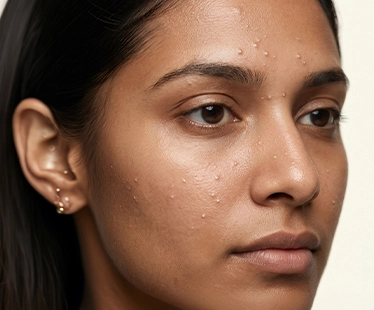
Whiteheads
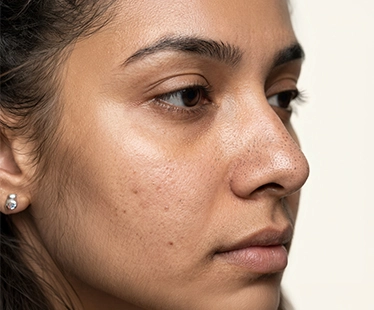
Blackheads
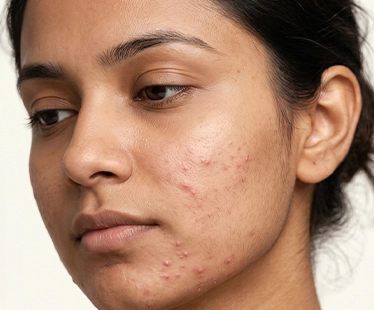
Papules
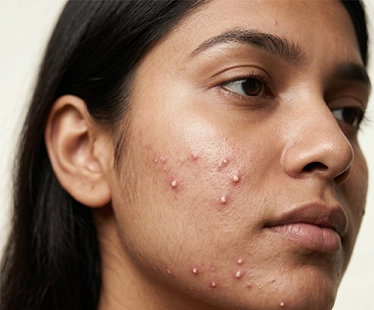
Pustules
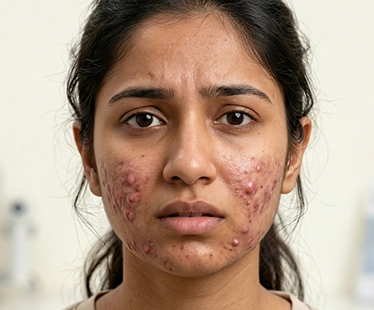
Nodules
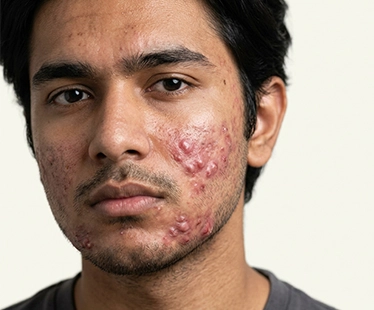
Cysts


Symptoms of Acne
Acne symptoms may vary from mild skin irritation and redness to painful, inflamed breakouts and deep cystic lesions affecting skin condition.
Small raised spots on the skin
Pain or Tenderness
Pus-Filled Lesions
Patchy irritation
Redness or rashes
Scars and pigmentation
Cysts with deep abscesses
When to See a Doctor?
If home remedies or over-the-counter creams haven’t improved your stubborn acne and you notice the following signs,it’s best to consult a dermatologist for professional treatment.
Painful or Severe Acne
Large, hard, or cystic bumps can lead to infection and permanent scarring if left untreated.
Persistent Acne
Breakouts that don’t improve with over-the-counter treatments.
Scarring Acne
Marks, pits, or discoloration indicate deeper skin damage that benefits from professional skin care to prevent long-term effects.
Inflamed acne
Sudden or spreading breakouts can signal hormonal imbalances or bacterial infections that need targeted acne treatment.
Hormonal Acne
Acne during puberty, pregnancy, or hormonal changes can worsen without proper evaluation and therapy.
VCare’s Step-by-Step Process for Acne Skin

Expert Consultation

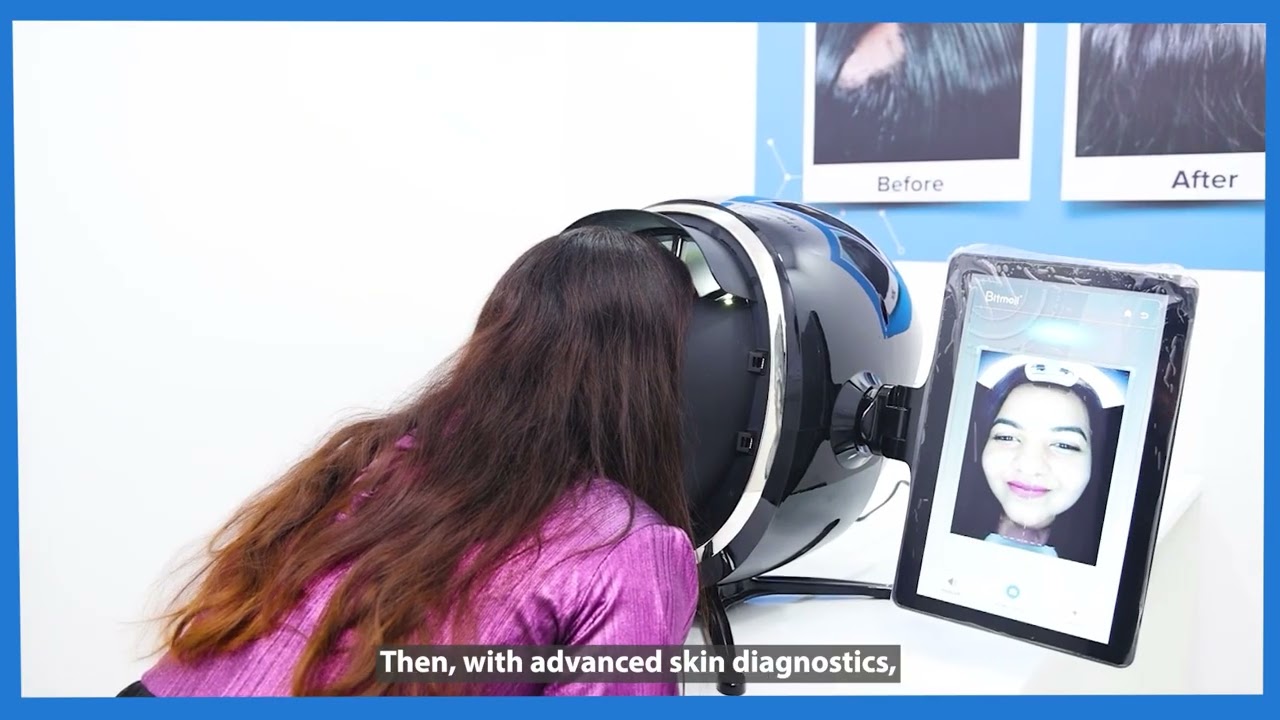
Skin Diagnostics

Treatment plan
Our Expert Skin Treatments for Acne
Advanced acne treatments are designed to help control active breakouts, reduce excess oil, improve acne marks, and support healthier-looking skin through personalized care approaches.
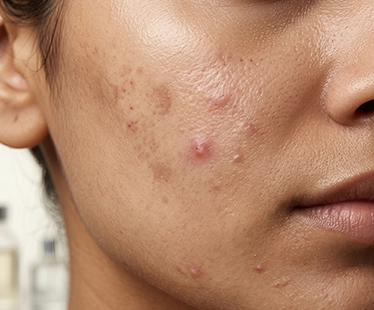
ACNEX Treatment
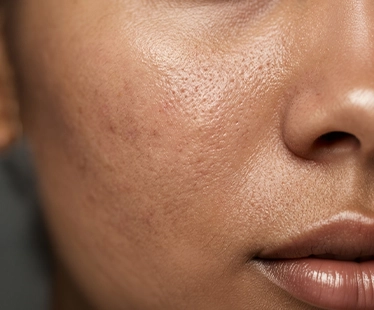
SaliPeel Treatment
.png)
.png)
Why Choose VCare for Acne Treatment?
VCare provides comprehensive acne treatment backed by advanced skin analysis, root-cause evaluation, personalized treatment plans, and long-term skin health support.

Advanced Technologies designed to maximize results while minimizing downtime.

Strict Hygiene & Safety Protocols for a safe, sterile, and comfortable treatment experience.

Customized Solutions for Every Concern with visible improvements often seen within a few sessions

Dedicated Support from consultation to post-treatment care, with complete cost transparency.

A Legacy of Trust built by over 1 million satisfied clients across India through clinically driven results.
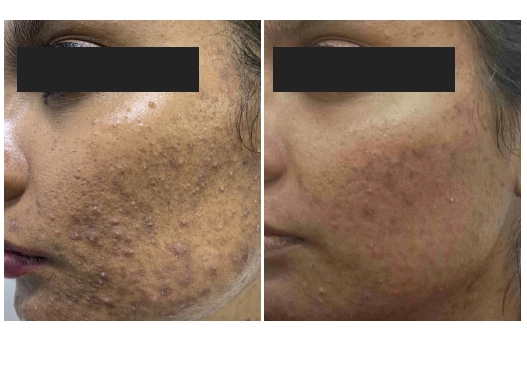
Before & After Acne Treatment Results
Explore the visible results of personalized Acne treatments that helped improve clear skin, reduce Acne, and support healthier-looking skin.
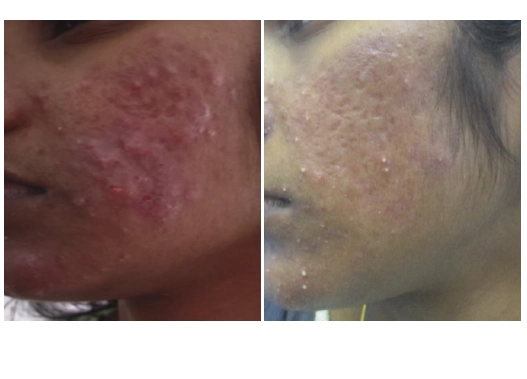
Before
After
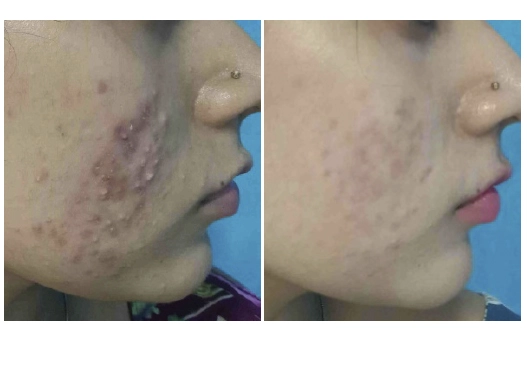
Before
After
Before
After
Hear From Our Expert Doctors
If you are searching for skin acne treatment near me, visit your nearest VCare branch and get the best acne skin care. We offer specialized acne treatment for men and acne treatment for women, tailored to suit different skin types and concerns. Contact us and know the skin acne treatment cost as they vary depending on the severity of the problem.
VCare, India’s premier Hair & Skin Clinic, offers advanced, science-backed solutions for every hair and skin concern. With precise diagnoses, personalized treatment plans, and state-of-the-art clinical facilities, we deliver not just treatments but lasting results and exceptional care. Experience a holistic approach that combines expertise, innovation, and a commitment to your confidence and well-being.
Real Experiences Shared by Our Clients


Felicita Paiva
Theni - TamilNadu


Keerthi 07
Karur - TamilNadu

Mohan Mohanraj
Saravanampatti - Coimbatore
Bathula Sri Lakshmi
Gachibowli - Kondapur
Jabeen Razak
Mysore - Karnataka
Sameesh Antony
Kottayam - KeralaFrequently Asked Questions
Whiteheads are visible white spots on the skin, blackheads appear as greyish-black spots, papules show up as small pink or red bumps, while pustules are white or yellow pus-filled lesions. Nodules are large, hard, and painful bumps, and are the major skin acne types.
Every skin type is unique, and acne treatments vary depending on the condition. It is best to visit a doctor and get personalized recommendations.
Hormonal imbalances, improper diet, and unhealthy lifestyle patterns can trigger acne. Sometimes it may be hereditary, and external factors such as sun exposure or pollution can also affect skin health and lead to breakouts.
Staying hydrated, maintaining a healthy lifestyle, using sunscreen, and keeping your skin clean can help promote clear, acne-free skin.
To remove acne from dry skin, it’s important to balance hydration and acne care.
Acne skin is skin likely to develop acne. Proper skincare and treatment can help manage and reduce breakouts.
Gentle cleansing, aloe vera, and diluted tea tree oil can help calm mild breakouts. Keep your skin clean, moisturized, and hydrated for best results.
The best acne treatment depends on your skin type and acne severity. Mild acne responds well to topical ingredients like salicylic acid, while severe or hormonal acne may require dermatological care. Visit a Vcare clinic to have a personalised assessment done by qualified doctors.
Men tend to have thicker, oilier skin, so treatments that control shine and clear pores work best. Regular cleansing, exfoliation, and acne-fighting ingredients like salicylic acid can keep skin balanced and clear.
Women often experience acne due to hormonal changes, stress, or skincare buildup. Gentle cleansers, retinoids, and lifestyle balance help manage breakouts and restore a healthy glow.
Keep your skincare simple and consistent, cleanse every day, exfoliate once a week, and never skip moisturizer or sunscreen. Along with that, eat healthy, stay hydrated, and get enough sleep to keep your skin fresh and glowing from within.
Mild acne scars can fade with topical creams containing vitamin C or retinoids. For deeper scars, professional treatments like microneedling, laser therapy, or chemical peels can help smooth skin texture and even out tone. Visit a Vcare clinic to have a personalised assessment done by qualified doctors.
Natural ingredients like aloe vera, honey, or rosehip oil can help fade mild acne scars over time.
Yes. Back acne treatment may include topical or oral medications and dermatologist-recommended procedures, depending on the type and severity of acne.

 info@vcaretrichology.com
 +91 709 2525 252
 View All Locations


