

15 Best Foods for Healthy Skin: What to Eat for Naturally Glowing Skin
Published on 2026-10-30 | By Admin
Nourish Your Skin from Within with the Right Foods
Healthy skin starts from within. While skincare products protect your skin externally, choosing the right foods for healthy skin provides essential nutrients that support your skin's natural barrier, hydration, collagen production, and overall health.
Over time, maintaining healthier-looking skin can be facilitated by a balanced diet high in vitamins, antioxidants, healthy fats, and proteins. Although no single food can transform your complexion overnight, consistent healthy eating combined with good skincare habits can make a noticeable difference.
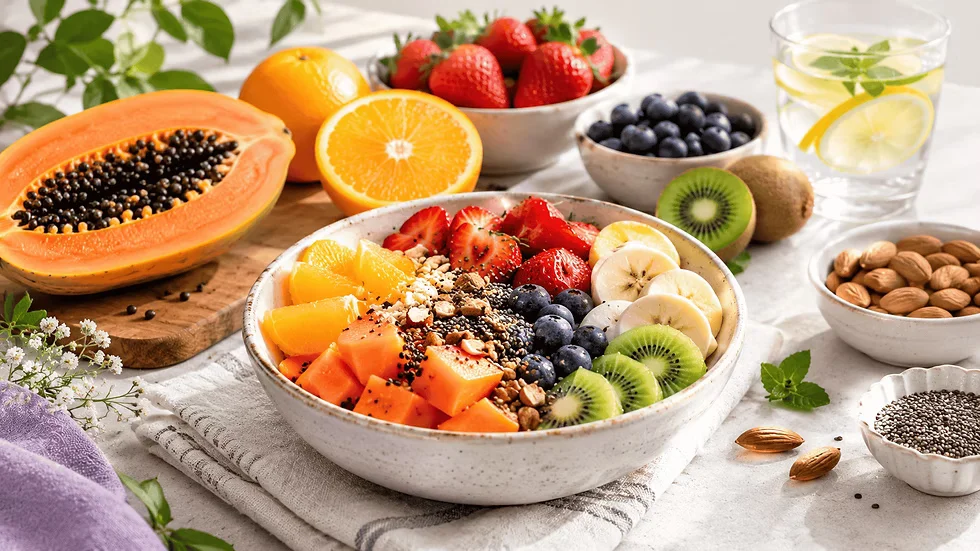
In this guide, you'll learn about the best foods for healthy skin, essential nutrients, hydration tips, foods to limit, and simple habits that support naturally glowing skin.
Can Food Really Improve Your Skin?
Yes—but not overnight.
Your skin relies on essential nutrients to stay healthy. A balanced diet, including collagen rich foods for skin, helps support your skin's natural barrier, collagen production, hydration, and protection against environmental stressors.
Healthy eating can support:
- The skin's natural barrier
- Collagen production
- Skin hydration
- Protection from environmental stressors
- A healthy-looking complexion
While diet alone cannot treat every skin concern, it works alongside a consistent skincare routine and healthy lifestyle. Remember, healthier-looking skin develops through long-term healthy eating habits—not quick dietary changes.
Essential Nutrients Your Skin Needs
Your skin depends on a combination of nutrients to stay healthy. You can make sure your skin gets the nourishment it needs by eating a range of nutritious meals.
Nutrient | How it Supports Skin Health | Food Sources |
Vitamin C | Supports collagen production and helps protect against environmental stressors | Citrus fruits, strawberries, kiwi, bell peppers |
Vitamin A | Supports normal skin renewal and helps maintain healthy skin | Carrots, sweet potatoes, spinach |
Vitamin E | Acts as an antioxidant that helps protect skin cells | Almonds, sunflower seeds, avocado |
Omega-3 Fatty acids | Help maintain the skin’s natural moisture barrier | Salmon, sardines, walnuts, flaxseeds |
Protein | Provides the building blocks needed for skin structure. | Eggs, dairy, fish, legumes |
Zinc | Supports normal skin repair and overall skin health | Pumpkin seeds, chickpeas, seafood |
Water | Helps maintain skin hydration and supports overall body function | Water, cucumber, watermelon |
No single nutrient can do everything. Eating a colourful, balanced diet provides a wide range of nutrients that work together to support healthy skin.
15 Best Foods for Healthy, Glowing Skin
A balanced diet gives your skin the nutrients it needs to support collagen production, maintain its natural barrier, and protect against environmental stressors. Including foods good for skin in your daily diet can help support healthier-looking skin. Here are some of the best options and why they deserve a place on your plate.
1. Citrus Fruits
Citrus fruits are among the best vitamin C foods for skin, as they provide an essential nutrient that supports collagen production and helps protect the skin from oxidative stress.
Examples: Orange, lemon, sweet lime, grapefruit
2. Berries
Blueberries, strawberries, and raspberries are packed with antioxidants that help protect skin cells from free radical damage caused by pollution and UV exposure.
Examples: Blueberries, strawberries, raspberries
3. Tomatoes
Tomatoes contain lycopene, a powerful antioxidant that may help protect the skin from environmental damage. They're also a good source of Vitamin C.
4. Carrots
Carrots naturally contain beta-carotene, which the body turns into Vitamin A. This vitamin promotes proper skin renewal and contributes to healthy-looking skin.
5. Spinach and Leafy Greens
Leafy vegetables such as spinach, kale, and fenugreek leaves provide Vitamins A, C, and E, along with iron and antioxidants that contribute to overall skin health.
6. Sweet Potatoes
Sweet potatoes are another excellent source of beta-carotene. Including them as part of a balanced diet can support healthy skin and provide antioxidant benefits.
7. Avocados
Avocados contain healthy fats, Vitamin E, and antioxidants that help support the skin's natural moisture barrier and keep it feeling soft and hydrated.
8. Almonds
Almonds are rich in Vitamin E, one of the skin's most important antioxidants. They also provide healthy fats that support skin hydration.
9. Walnuts
Walnuts provide plant-based omega-3 fatty acids, zinc, and Vitamin E, all of which contribute to maintaining healthy skin.
10. Fatty Fish
Fish such as salmon, sardines, and mackerel are excellent sources of omega-3 fatty acids. These healthy fats help support the skin barrier and maintain skin hydration.
11. Eggs
Eggs are an excellent source of high-quality protein, biotin, and other nutrients that help support normal skin structure and repair.
12. Yogurt
Yogurt contains protein and probiotics that contribute to overall health. A healthy gut may also support healthy-looking skin as part of a balanced lifestyle.
13. Pumpkin Seeds
Pumpkin seeds provide zinc, healthy fats, and antioxidants that help support normal skin repair and maintenance.
14. Green Tea
Green tea contains natural plant compounds called polyphenols, which have antioxidant properties that help protect skin from environmental stressors.
15. Dark Chocolate (In Moderation)
Dark chocolate with a high cocoa content contains flavonoids, which may help support skin hydration and protect against oxidative stress when enjoyed in moderation.
Foods That May Affect Skin Health
While choosing the best food for skin glow can support a healthier-looking complexion, certain eating habits may negatively affect skin health in some individuals.
Highly Processed Foods: Diets high in refined carbohydrates and unhealthy fats may contribute to inflammation.
Sugary Foods & Drinks: Frequent consumption may affect collagen over time and contribute to skin ageing.
High-Sodium Foods: Excess salt can cause temporary water retention, making the skin appear puffy.
Excess Alcohol: Alcohol may dehydrate the skin, leaving it looking dull and dry.
Tip: Focus on a balanced diet rich in fruits, vegetables, whole grains, lean proteins, and healthy fats instead of cutting out specific foods completely.
Hydration and Healthy Skin
Water plays an important role in maintaining your body's normal functions, including supporting healthy skin. While drinking water alone won't instantly give you glowing skin, staying well hydrated helps your skin maintain its natural moisture balance.
Along with the best foods for skin repair, which provide essential nutrients for skin renewal, including water-rich foods in your diet can help support hydration and overall skin health.
Some excellent choices include:
- Cucumber
- Watermelon
- Muskmelon
- Oranges
- Tomatoes
- Lettuce
Keeping yourself hydrated th roughout the day, combined with a nutritious diet and proper skincare, can help your skin look healthier over time.
Related Read: Detox Drinks for Skin
Can Supplements Replace Healthy Foods?
Supplements can be helpful in certain situations, but they shouldn't replace a balanced diet.
Whole foods provide a combination of vitamins, minerals, fibre, healthy fats, proteins, and antioxidants that work together to support overall health. Most supplements contain only one or a few nutrients and cannot offer the same nutritional benefits as a varied diet.
If you have a diagnosed nutritional deficiency or specific medical condition, your healthcare provider may recommend supplements based on your individual needs.
For most people, eating a wide variety of nutrient-rich foods remains the best way to support healthy skin.
Sample One-Day Meal Plan for Healthy Skin
A balanced meal plan can help you include a variety of skin-friendly nutrients throughout the day.
Meal | Example |
Breakfast | Oatmeal topped with berries, almonds, and a glass od fresh orange juice. |
Mid- morning snack | A bowl of yogurt with mixed fruits |
Lunch | Grilled salmon (or chickpeas), brown rice, spinach salad, and cucumber slices |
Evening snack | Handful of walnuts and green tea |
Dinner | Grilled vegetables, sweet potato, and boiled eggs or lentil curry |
Before bed | A glass of water or warm milk (if suitable for your diet) |
Healthy Eating Tip: You don't need a perfect diet every day. Small, consistent healthy choices over time can make a meaningful difference to your overall health—including your skin.
Healthy Habits That Work Alongside a Good Diet
Healthy skin depends on more than just your diet. Simple daily habits can also help maintain your skin's health and appearance.
Wear Sunscreen Daily: Protect your skin from UV damage, pigmentation, and premature ageing with a broad-spectrum SPF 30+ sunscreen.
Get Quality Sleep: Aim for 7–9 hours each night to support your skin's natural repair process.
Stay Active: Regular exercise promotes healthy blood circulation, delivering nutrients to your skin.
Manage Stress: Practices like yoga, meditation, or regular walks can support overall skin health.
Follow a Skincare Routine: Cleanse, moisturise, and protect your skin consistently using products suitable for your skin type.
When Should You Consult a Dermatologist?
Healthy eating supports your skin, but some skin concerns may require professional evaluation.
Consider consulting a dermatologist if you experience:
- Persistent acne or frequent breakouts
- Pigmentation that doesn't improve
- Ongoing dryness or irritation despite proper skincare
- Sudden changes in your skin's appearance
- Unexplained rashes or skin sensitivity
At VCare, our dermatologists perform a detailed skin analysis to understand your skin concerns and recommend personalised treatment plans based on your skin type and goals.
Conclusion
Healthy skin isn't built by a single product or superfood—it's the result of consistent healthy habits. Nourishing your body with the right foods, staying hydrated, protecting your skin from the sun, and following a simple skincare routine all work together to support long-term skin health.
If your skin concerns persist despite these efforts, professional guidance can make all the difference. VCare's expert dermatologists provide personalised consultations and advanced skin treatments designed to address your unique skin needs and help you achieve healthier, naturally glowing skin.
FAQs
1. Which foods are best for healthy skin?
Foods rich in vitamins, antioxidants, healthy fats, and protein—such as citrus fruits, berries, leafy greens, fatty fish, nuts, and avocados—help support healthy, glowing skin.
2. What should I eat for glowing skin?
The best food for glowing skin includes colourful fruits, vegetables, whole grains, lean proteins, and healthy fats. Along with adequate hydration, these foods provide essential nutrients that support naturally radiant, healthy-looking skin.
3. Can diet improve skin health?
Yes. A nutritious diet provides essential vitamins, minerals, and antioxidants that help support the skin barrier, hydration, and overall skin health.
4. Which fruits are good for the skin?
Citrus fruits, berries, kiwi, papaya, watermelon, and pomegranate are rich in nutrients that support healthy-looking skin.
5. Are nuts good for healthy skin?
Yes. Nuts like almonds and walnuts contain healthy fats, Vitamin E, and antioxidants that help support skin health and hydration.
6. Does drinking water improve skin?
Drinking enough water helps maintain your body's hydration levels, which supports your skin's natural moisture balance and overall health.
7. Can Vitamin C-rich foods brighten the skin?
Vitamin C-rich foods support collagen production and help maintain an even-looking complexion as part of a healthy, balanced diet.
8. What foods should I limit for better skin health?
Limit highly processed foods, sugary beverages, excess alcohol, and foods high in sodium, as they may affect overall skin health in some individuals.
9. Are supplements necessary for healthy skin?
Most people can meet their nutritional needs through a balanced diet. Supplements should only be taken if recommended by a healthcare professional.
10. What are the best foods for clear skin?
The best foods for clear skin include fruits, leafy greens, nuts, seeds, and whole grains. These provide essential nutrients that support healthy skin and may help reduce inflammation.

 info@vcaretrichology.com
 +91 709 2525 252
 View All Locations


