

Melasma Treatment: Causes, Symptoms, Triggers & Treatment Options
Published on 2026-11-11 | By Admin
You've tried different skincare products, followed every brightening tip, and yet those stubborn brown patches on your cheeks, forehead or upper lip refuse to fade. Why?
What seems like tanning or ordinary pigmentation could actually be melasma, a common skin condition that causes darker, uneven patches. And here's what makes it frustrating: melasma may improve with treatment but become noticeable again due to sun exposure or hormonal changes.
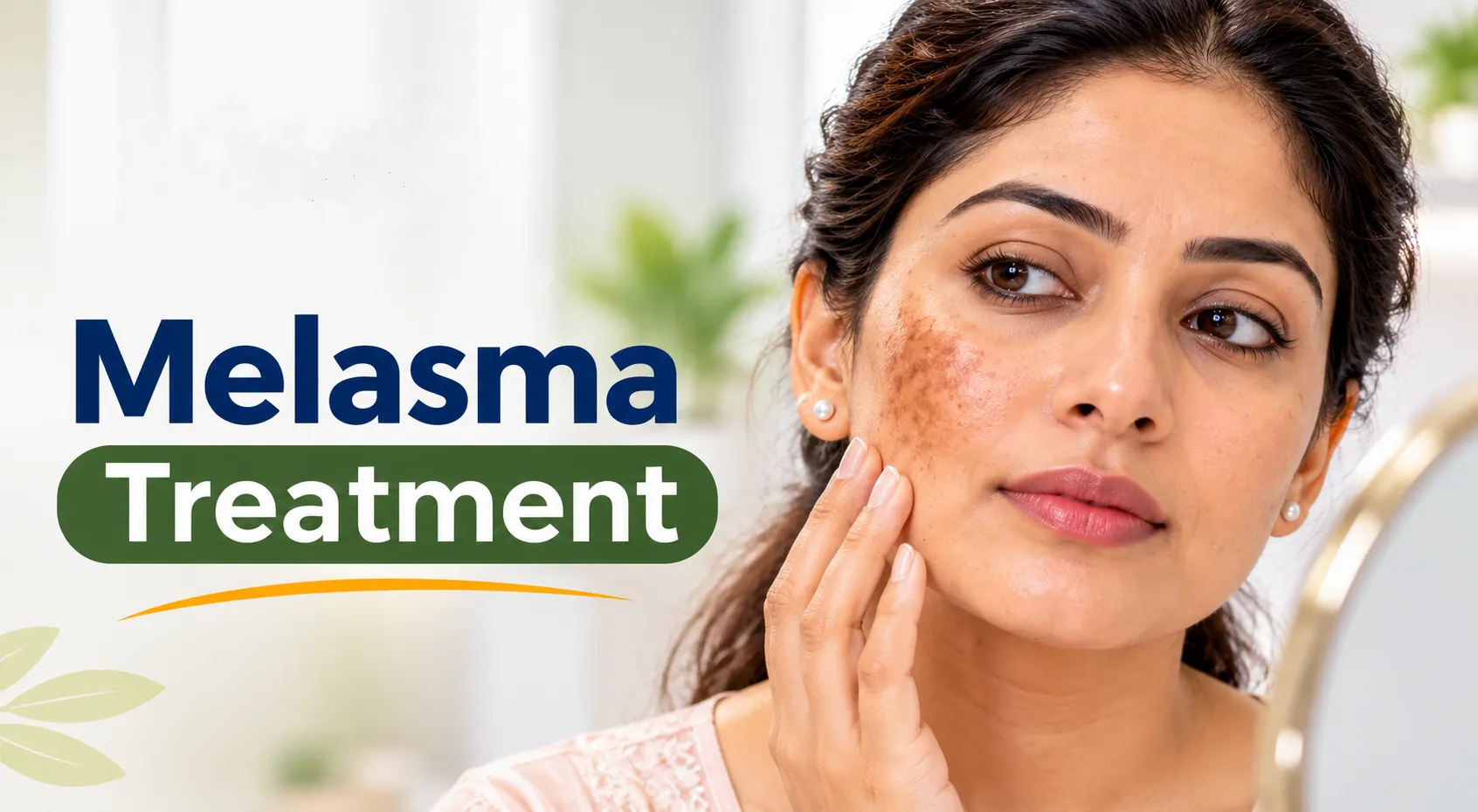
So, what causes melasma, why does it keep coming back, and how can you manage it? Understanding its causes and triggers is the first step towards choosing the right skincare and treatment approach.
What Is Melasma?
Melasma is a common pigmentation condition that causes brown, grey-brown or bluish-grey patches, mainly on the face. It develops when pigment-producing cells called melanocytes produce excess melanin, the natural pigment responsible for skin, hair and eye colour.
Unlike tanning, melasma often appears as symmetrical patches on both sides of the face. Although harmless and non-contagious, persistent pigmentation can affect confidence and emotional well-being.
Melasma is more common in women and people with medium to deeper skin tones, including many Indian skin types.
What Causes Melasma?
Understanding melasma causes is essential for identifying potential triggers and managing pigmentation effectively. Melasma develops due to a combination of hormonal, genetic and environmental factors. Common contributing factors include:
1. Hormonal Changes
Fluctuations in oestrogen and progesterone may stimulate pigment-producing cells, increasing susceptibility to melasma, particularly with sun exposure.
2. Pregnancy
Often called the mask of pregnancy or chloasma, pregnancy-related melasma develops due to hormonal changes. It may improve after delivery but can persist or recur.
3. PCOS/PCOD and Hormonal Factors
Although melasma may coexist with PCOS, PCOS is not an established direct cause. Hormonal contraceptives and certain medications may also contribute to melasma in susceptible individuals.
4. Sun Exposure
UV radiation stimulates melanin production, making existing patches darker and increasing the risk of recurrence. Even repeated short periods of unprotected exposure can worsen pigmentation.
5. Heat and Light Exposure
Visible light can worsen melasma, especially in deeper skin tones. Heat may also contribute, although its role is less established than UV and visible light.
6. Genetic Factors
A family history of melasma may increase susceptibility, particularly when combined with hormonal changes or environmental triggers.
Understanding these factors helps identify potential triggers and guide a personalised melasma management approach
What Are the Symptoms of Melasma?
Common melasma symptoms include the appearance of darker patches that differ from the surrounding skin tone, often affecting the cheeks, forehead and upper lip.
Common characteristics include:
- Brown or grey-brown pigmentation: Patches may appear light brown, dark brown or greyish depending on skin tone and pigmentation depth.
- Symmetrical appearance: Similar patches often develop on both sides of the face.
- Irregular borders: Pigmented areas may have uneven, poorly defined edges.
- Gradual development: Melasma may become more noticeable over time, particularly after sun exposure.
- Usually no physical discomfort: Melasma generally does not cause itching, pain or swelling.
Because other pigmentation conditions can look similar, a dermatologist's assessment is important before starting treatment.
What Are the Different Types of Melasma?
Not all melasma pigmentation develops at the same depth within the skin. Based on the distribution of pigmentation, melasma is traditionally classified into three types.
1. Epidermal Melasma
Pigmentation is mainly concentrated in the epidermis (outer skin layer). It often appears as brown patches with relatively defined borders and may respond better to topical treatments.
2. Dermal Melasma
Pigmentation involves the dermis (deeper skin layer) and may appear greyish-brown or bluish-grey. It can be more challenging to treat because the pigment is located deeper within the skin.
3. Mixed Melasma
This involves pigmentation in both the epidermis and dermis. It may show a combination of brown and greyish patches, and treatment response can vary.
Why does identifying the type matter?
Understanding the pigmentation pattern helps dermatologists assess melasma and plan suitable treatment approaches. However, melasma classification by pigment depth is not always precise, and clinical evaluation is important before choosing a treatment.
Where Does Melasma Usually Appear?
Melasma on face is commonly seen as brown or greyish-brown patches on sun-exposed areas, particularly the cheeks, forehead, nose and upper lip.
- Cheeks: Brown patches on both cheeks, sometimes extending towards the nose.
- Forehead: Uneven pigmentation that may become more noticeable after sun exposure.
- Nose: Dark patches on the bridge or surrounding areas, often alongside cheek pigmentation.
- Upper Lip: Pigmentation above the lip, sometimes mistaken for tanning or post-inflammatory marks.
Less commonly, melasma may also appear on the jawline, neck or forearms.
What Can Trigger or Worsen Melasma?
Melasma can worsen or recur due to certain triggers, making pigmentation more noticeable.
Common triggers include:
- Sun Exposure: UV radiation stimulates melanin production, darkening existing patches.
- Visible Light: May worsen pigmentation, particularly in deeper skin tones.
- Hormonal Changes: Pregnancy, hormonal medications and fluctuations may influence melasma.
- Heat Exposure: High temperatures may aggravate pigmentation in some individuals.
- Skin Irritation: Harsh products and aggressive exfoliation may trigger inflammation and pigmentation.
- Certain Medications: Some hormonal medications may contribute to melasma flare-ups.
Identifying your triggers can help minimise flare-ups and support long-term melasma management.
How Can You Prevent Melasma From Getting Worse?
Although melasma cannot always be prevented, consistent sun protection and gentle skincare can help minimise worsening and recurrence.
1. Use Sunscreen Daily
Apply broad-spectrum SPF 30+ sunscreen. Tinted sunscreens with iron oxides offer additional visible-light protection. Reapply as needed and use hats or shade outdoors.
2. Choose Gentle Skincare
Use a mild cleanser, suitable moisturiser and dermatologist-recommended pigmentation products. Avoid products that cause irritation or excessive dryness.
3. Avoid Aggressive Exfoliation
Harsh scrubs, strong acids and unsupervised peels may worsen pigmentation, especially in Indian skin prone to post-inflammatory hyperpigmentation.
4. Identify Your Triggers
Monitor sun exposure, hormonal changes and irritating products. Consult your doctor if you suspect medication-related pigmentation.
5. Seek Professional Guidance
If pigmentation spreads, darkens or keeps returning, consult a dermatologist for diagnosis and personalised treatment.
Consistent care and trigger management are key to controlling melasma over time.
What Are the Treatment Options for Melasma?
Melasma treatment focuses on reducing pigmentation, improving skin tone and managing recurrence. At VCare Hair & Skin Clinics, dermatologists may recommend personalised treatments based on your skin type and pigmentation concerns.
1. Melassence™ Treatment
VCare’s Melassence™ combines controlled exfoliation and melanin regulation to address melasma, dark patches, PIH and uneven skin tone, supporting clearer, more even-looking skin.
2. Yellow Peel Treatment
VCare’s Yellow Peel uses ingredients such as retinoic acid, azelaic acid and exfoliating agents to promote skin renewal, reduce superficial pigmentation and improve skin tone and texture.
3. Pico Laser Treatment
VCare’s Pico Laser uses ultra-short laser pulses to target pigmentation and improve skin clarity. However, melasma requires careful dermatologist assessment, as laser treatment may worsen pigmentation in some individuals.
The right treatment depends on your pigmentation type, skin sensitivity and triggers. Consistent sun protection and appropriate skincare remain essential for managing melasma.
4. MELANEX Kit – At-Home Pigmentation Care
VCare’s MELANEX Kit is a 6-step skincare routine designed to support pigmentation management, even skin tone, skin barrier health and daily sun protection.
Combining cleansing, hydration, targeted pigmentation care and SPF 50+ sunscreen, it helps maintain healthier-looking skin and complements professional melasma treatments.
Can Melasma Be Completely Removed?
Melasma can be significantly improved, but complete and permanent removal cannot be guaranteed.
While some people experience noticeable fading with treatment, others may have persistent pigmentation or recurrence due to hormonal changes, genetics and sun exposure. Pregnancy-related melasma may fade after delivery, but not always.
The goal of melasma treatment is to reduce pigmentation, manage triggers and maintain results through consistent skincare and sun protection.
How Can You Maintain Melasma Treatment Results?
Melasma management doesn't necessarily end when the patches begin to fade. Long-term care is important because pigmentation can return after treatment.
A maintenance routine may include:
- Daily sun protection: Continue using broad-spectrum sunscreen, preferably a suitable tinted formulation when recommended.
- Consistent skincare: Follow the cleanser, moisturiser and pigmentation-care routine suggested by your dermatologist.
- Avoiding known triggers: Reduce unnecessary sun exposure, skin irritation and other factors that worsen your pigmentation.
- Following post-treatment instructions: After peels or laser procedures, allow your skin to recover and avoid unsuitable products.
- Regular maintenance reviews: Your dermatologist may adjust topical treatments or recommend follow-up care based on your skin's response.
Consistency is often more important than trying multiple pigmentation products at once.
Conclusion: Managing Melasma Starts With Understanding Your Skin
Melasma involves hormonal, genetic and environmental factors. While treatments may improve pigmentation, long-term management requires consistent sun protection, appropriate skincare and trigger control.
Managing melasma isn't just about fading dark patches, but also understanding and preventing recurrence.
At VCare Hair & Skin Clinics, personalised skin assessments help identify pigmentation concerns and guide suitable treatment options.
Struggling with persistent melasma? Book your VCare skin consultation to explore personalised treatment options.
Frequently Asked Questions About Melasma
1. What causes melasma?
Melasma develops through a combination of genetic susceptibility, hormonal influences and environmental triggers. Sun exposure is a major contributing factor, while pregnancy and certain hormonal medications may also play a role.
2. What are the symptoms of melasma?
Melasma typically appears as symmetrical brown or grey-brown patches on the cheeks, forehead, nose or upper lip. It usually does not cause pain or itching.
3. Can melasma go away on its own?
Sometimes. Pregnancy-related melasma may gradually fade after delivery, and pigmentation associated with certain medications may improve when the trigger is addressed under medical guidance. However, melasma can also persist for years.
4. Is laser treatment for melasma effective?
Laser treatment for melasma may help reduce pigmentation in selected cases. However, results vary, and recurrence is possible. Dermatologist-guided treatment and consistent sun protection are essential.
5. What is the best treatment for melasma?
There is no single best treatment for everyone. Dermatologists may recommend topical medications, professional depigmentation protocols or selected procedures depending on skin type, severity and treatment history.
6. Is Cosmelan effective for melasma?
Cosmelan may help improve pigmentation in appropriately selected patients. However, results vary, irritation can occur, and maintenance skincare is important because melasma may recur.
7. What is the difference between Cosmelan and Dermamelan?
Cosmelan and Dermamelan are professional depigmentation systems with different formulations and treatment protocols. The choice depends on the individual's pigmentation concerns, skin sensitivity and professional assessment.
8. Can melasma come back after treatment?
Yes. Melasma is often a recurring condition. Sun exposure, hormonal influences and other triggers may cause pigmentation to become noticeable again, even after successful treatment.
9. Is melasma permanent?
Melasma is not always permanent. Pigmentation may improve with appropriate treatment, but sun exposure, hormonal changes and other triggers can cause it to return. Ongoing skincare and sun protection help manage recurrence.
10. How can I prevent melasma from getting worse?
Use broad-spectrum sunscreen consistently, consider tinted sunscreen for visible-light protection, avoid irritating skincare products and follow a dermatologist-recommended treatment and maintenance routine.
11. What is the best melasma treatment for Indian skin?
The best melasma treatment for Indian skin depends on skin type and pigmentation severity. Options include topical medications, sun protection, chemical peels and selected laser treatments under dermatologist guidance.
12. Why does melasma occur during pregnancy?
Melasma during pregnancy is mainly linked to hormonal changes that increase melanin production. Often called the pregnancy mask, it causes dark patches on the face and may gradually fade after childbirth.

 info@vcaretrichology.com
 +91 709 2525 252
 View All Locations


