

Hyperpigmentation vs Hypopigmentation: What's the Difference?
Published on 2026-08-13 | By Admin
Noticed Dark or White Patches on Your Skin? Here's How to Tell the Difference
Hyperpigmentation vs hypopigmentation refers to two different types of skin pigmentation changes that affect your skin in opposite ways. Hyperpigmentation makes certain areas of the skin darker than the surrounding skin, while hypopigmentation causes patches to become lighter or lose some of their natural colour.
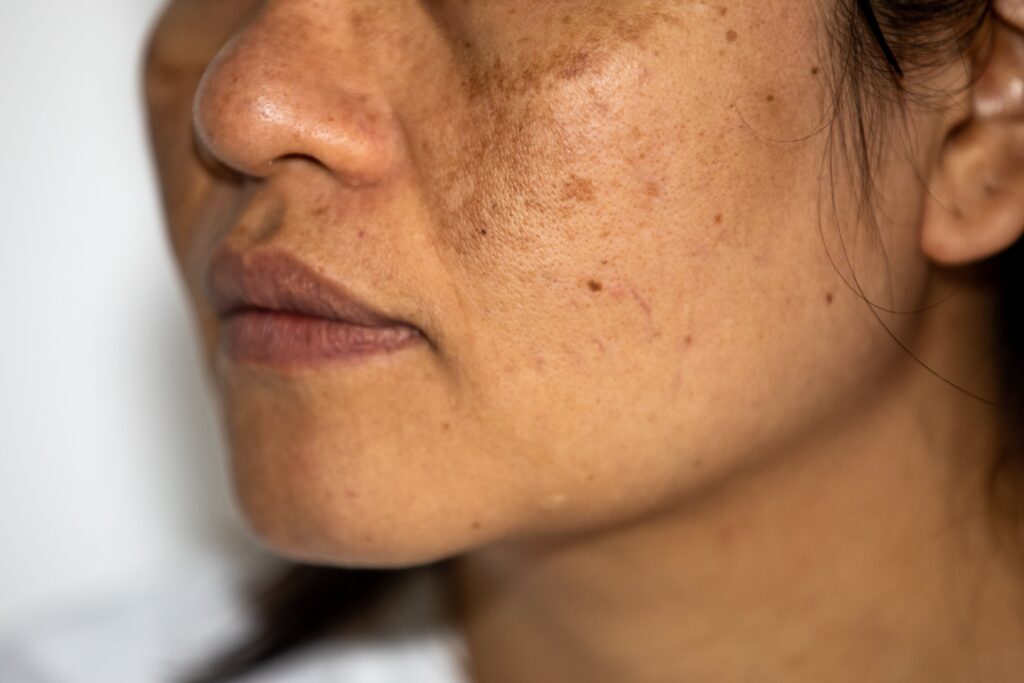
Have you noticed dark patches or white spots on your skin and wondered what they mean? Although both can appear as noticeable changes in your skin tone, their causes, symptoms, and treatment approaches can be very different.
Understanding the difference between hyperpigmentation and hypopigmentation is the first step toward identifying your skin concern and choosing the most appropriate treatment. Rather than guessing based on appearance alone, learning how these conditions develop can help you know when professional evaluation is needed.
In this guide, we'll compare hyperpigmentation vs hypopigmentation, explain how each condition affects the skin, discuss their common causes and symptoms, compare treatment approaches, and help you understand when it's time to consult a dermatologist.
What Is Skin Pigmentation?
Before comparing hyperpigmentation and hypopigmentation, it's helpful to understand what gives your skin its natural colour.
Your skin contains specialised cells called melanocytes, which produce a natural pigment known as melanin. Melanin is responsible for the colour of your skin, hair, and eyes. It also plays an important role in helping protect your skin from some of the harmful effects of ultraviolet (UV) radiation.
Under normal conditions, melanocytes produce the right amount of melanin to keep your skin tone even. However, when this process is disrupted, pigmentation changes can occur.
When melanocytes produce too much melanin, the skin develops darker patches known as hyperpigmentation. When they produce too little melanin, the affected areas appear lighter than the surrounding skin, resulting in hypopigmentation.
Understanding how melanin works makes it easier to understand why some pigmentation disorders cause darker patches while others cause lighter patches.
What Is Hyperpigmentation?
Hyperpigmentation is a condition in which certain areas of the skin become darker because of an increase in melanin production.
These darker patches can vary in size, shape, and colour, ranging from light brown to dark brown or even greyish tones depending on your skin type and the underlying cause.
Some of the most common causes of hyperpigmentation include:
- Excessive sun exposure
- Hormonal changes, such as melasma
- Acne marks (post-inflammatory hyperpigmentation)
- Skin injuries or inflammation
- Certain medications
Hyperpigmentation can develop anywhere on the body but is most commonly seen on the face, neck, hands, and other sun-exposed areas. Since several factors can trigger excess melanin production, identifying the underlying cause helps determine the most appropriate treatment.
What Is Hypopigmentation?
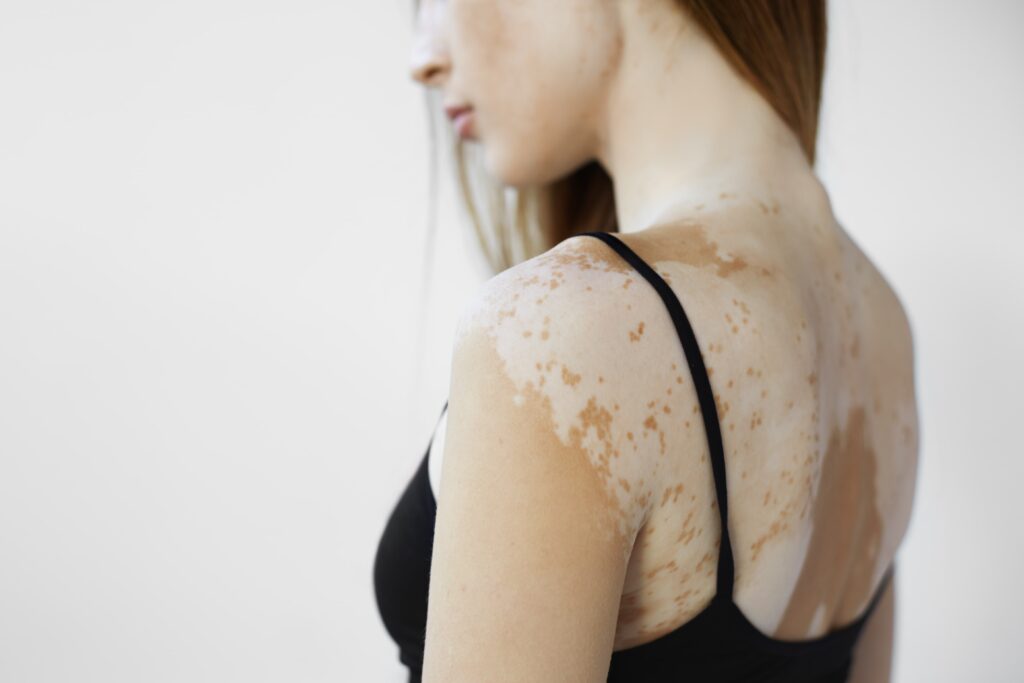
Hypopigmentation occurs when the skin produces less melanin than normal, causing certain areas to appear lighter than the surrounding skin.
Depending on the underlying cause, these lighter patches may be small and temporary or more widespread.
Common causes of hypopigmentation include:
- Previous skin injuries or burns
- Certain skin infections
- Inflammatory skin conditions
- Vitiligo
- Some medical treatments
Unlike hyperpigmentation, where excess pigment is produced, hypopigmentation develops because the skin produces less melanin or loses its ability to produce enough pigment in the affected area.
The appearance of hypopigmentation varies from person to person and depends largely on the underlying condition affecting melanin production.
Hyperpigmentation vs Hypopigmentation: Key Differences at a Glance
Both conditions affect your skin's colour, but they develop in opposite ways.
Feature | Hyperpigmentation | Hypopigmentation |
Skin colour | Darker than surrounding skin | Lighter or white compared to surrounding skin |
Melanin Production | Increased | Reduced or absent |
Common appearance | Brown, dark brown, or grey patches | White or pale patches |
Common causes | Sun exposure, acne, hormones, inflammation | Vitiligo, burns, injuries, infections |
Treatment Goal | Reduce excess pigmentation | Support pigment restoration where possible |
Common Areas | Face, hands, neck | Face, arms, legs, hands |
While the table highlights the key differences, appearance alone isn't enough to diagnose a pigmentation disorder. Many skin conditions can cause similar-looking dark or light patches, making a professional evaluation important.
What Causes Hyperpigmentation and Hypopigmentation?
Both conditions involve melanin, but the reasons behind them are very different. Understanding hyperpigmentation vs hypopigmentation can help explain why some skin concerns appear darker while others appear lighter.
Hyperpigmentation | Hypopigmentation |
Excess sun exposure | Vitiligo |
Hormonal change | Skin injuries or burns |
Acne and inflammation | Certain skin infections |
Post-inflammatory pigmentation | Inflammatory skin conditions (e.g., eczema, psoriasis) |
Certain medications | Certain medical treatments (e.g., laser procedures, chemical peels) |
Hyperpigmentation usually develops when the skin responds to certain triggers by producing more melanin than usual. For example, prolonged sun exposure, acne, or skin inflammation can stimulate excess melanin production, resulting in dark patches.
Hypopigmentation, on the other hand, occurs when melanocytes produce less melanin or stop functioning normally. This may happen due to conditions such as vitiligo, skin injuries, infections, or certain inflammatory skin disorders, leading to lighter or white patches.
Because the underlying causes differ, the treatment approach for hyperpigmentation and hypopigmentation also differs. An accurate diagnosis is important to determine the most appropriate treatment.
Can Hyperpigmentation and Hypopigmentation Occur Together?
It might sound surprising, but yes, hyperpigmentation and hypopigmentation can sometimes occur in the same person or even within the same area of skin.
This is more likely to happen after certain skin injuries, burns, infections, inflammatory skin conditions, or cosmetic procedures. For example, one area of the skin may produce excess melanin during healing, resulting in a dark patch, while another area may lose pigment and appear lighter.
Although both conditions may appear similar, they require different treatment approaches. A proper diagnosis helps identify the exact cause and ensures the most appropriate treatment.
Myth vs Fact
Myth | Fact |
Hyperpigmentation and hypopigmentation are the same condition. | They are different conditions caused by opposite changes in melanin production. |
White patches always mean vitiligo. | Not all white patches are caused by vitiligo. Several skin conditions can lead to hypopigmentation. |
All pigmentation changes disappear on their own. | Some pigmentation changes may improve naturally, while others require professional treatment. |
The same treatment works for all pigmentation problems. | Treatment depends on the type of pigmentation disorder and its underlying cause. |
When Should You Consult a Dermatologist for Pigmentation Changes?
Not every pigmentation change is serious, but some situations should be evaluated by a dermatologist.
You should consider seeking professional advice if you notice:
- Dark or white patches that continue to spread.
- Pigmentation changes that appear suddenly without an obvious cause.
- Skin colour changes after an injury, burn, or infection that do not improve.
- Pigmentation associated with itching, pain, or other skin symptoms.
- Any pigmentation concern that affects your confidence or does not improve with time.
A dermatologist can examine your skin, identify the underlying cause, and recommend the most appropriate treatment based on your individual skin condition.
If you're unsure whether you're dealing with hyperpigmentation or hypopigmentation, it's best to seek professional evaluation rather than self-diagnosing.
Final Thoughts
Hyperpigmentation and hypopigmentation may both change your skin's colour, but they are different conditions with different causes and treatment approaches. Understanding the difference is the first step toward choosing the right treatment instead of relying on guesswork. If you've noticed persistent, new, or changing dark or light patches, consult a dermatologist for an accurate diagnosis and personalised treatment plan.
At VCare Hair & Skin Clinics, our dermatologists provide personalized skin assessments to diagnose pigmentation concerns accurately and recommend treatment plans tailored to your skin type and individual needs.
FAQs
Can hyperpigmentation become hypopigmentation?
Not usually. However, certain skin injuries, treatments, or inflammatory conditions may cause both types of pigmentation changes in different areas.
Which condition is easier to treat?
It depends on the cause. Mild hyperpigmentation often responds more quickly to treatment, while some forms of hypopigmentation may require longer-term management.
How can I identify the difference between hyperpigmentation and hypopigmentation?
Hyperpigmentation appears as darker patches, while hypopigmentation appears as lighter or white patches compared to surrounding skin.
Are both hyperpigmentation and hypopigmentation permanent?
Not always. Some cases improve with treatment, while others may require ongoing management.
Can both hyperpigmentation and hypopigmentation occur together?
Yes. Certain skin conditions, injuries, or inflammatory disorders can cause both pigment gain and pigment loss.
Can hypopigmentation or hyperpigmentation heal on its own?
Some mild cases may improve naturally, but a dermatologist should evaluate persistent pigmentation changes to provide an accurate diagnosis and treatment.

 info@vcaretrichology.com
 +91 709 2525 252
 View All Locations


