

How to Use Sunscreen Correctly: SPF Guide, Benefits & Common Mistakes (2026)
Published on 2026-10-26 | By Admin
Protect Your Skin Every Day with the Right Sunscreen
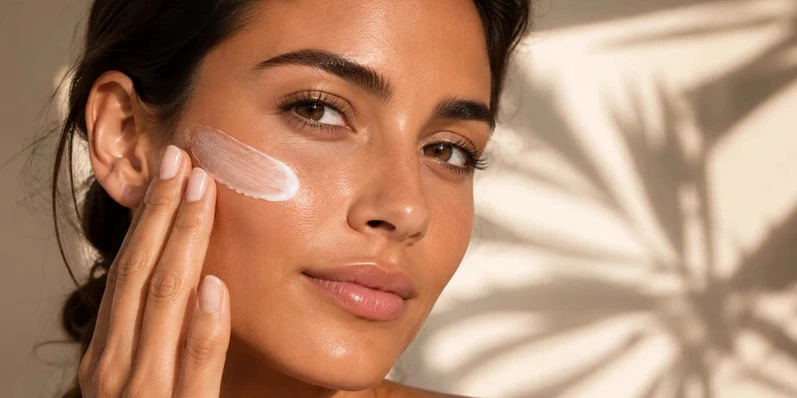
Knowing how to use sunscreen correctly is one of the easiest ways to protect your skin from UV damage. A broad-spectrum sunscreen helps reduce the risk of sunburn, premature ageing, pigmentation, and uneven skin tone. This guide explains how sunscreen works, how to choose the right SPF, apply it correctly, and avoid common mistakes.
Do you only wear sunscreen during summer or when you're outdoors for long hours? Many people do. However, UV rays can affect your skin throughout the year—even on cloudy days and during your daily commute.
Daily sun exposure can gradually lead to tanning, pigmentation, fine lines, and other signs of skin damage. That's why sunscreen should be a part of your everyday skincare routine, regardless of the season or your skin type.
In this guide, you'll learn how to choose the right sunscreen, use it correctly, and keep your skin protected every day.
Key Takeaways
- Wear sunscreen every day, regardless of the weather.
- Choose a broad-spectrum sunscreen with SPF 30 or higher.
- Apply sunscreen 15–20 minutes before sun exposure.
- Reapply every two hours when outdoors.
- Sunscreen reduces UV damage but doesn't completely prevent tanning.
What Is Sunscreen?
Sunscreen is a skincare product designed to help protect your skin from the harmful effects of ultraviolet (UV) radiation. It forms a protective barrier that reduces the amount of UV radiation reaching your skin, helping minimise sun damage.
Daily use of sunscreen can help protect against:
- Sunburn
- Premature skin ageing
- Uneven skin tone
- Pigmentation
- Sun-induced skin damage
Although sunscreen is an essential part of sun protection, it works best when combined with other protective measures such as wearing hats, sunglasses, and protective clothing.
Why Should You Wear Sunscreen Every Day?
Many people assume sunscreen is only necessary during summer. However, UV radiation is present throughout the year, making daily sun protection an important part of maintaining healthy skin.
Here are some of the key reasons to wear sunscreen every day:
Helps Reduce Premature Ageing
Repeated exposure to UV rays can break down collagen and elastin, the proteins responsible for keeping your skin firm and smooth. Daily sunscreen use helps reduce the risk of fine lines, wrinkles, and loss of skin elasticity.
Helps Prevent Pigmentation
Sun exposure can trigger or worsen pigmentation, including dark spots and uneven skin tone. Regular sunscreen use helps minimise further UV-induced pigmentation.
Reduces the Risk of Sunburn
Excessive UV exposure can damage skin cells, leading to redness, irritation, and sunburn. Sunscreen provides an added layer of protection against these harmful effects.
Supports a More Even Skin Tone
Daily sun protection helps reduce uneven tanning and supports a more balanced, healthier-looking complexion.
Promotes Long-Term Skin Health
Consistent sunscreen use helps protect the skin from cumulative UV damage, supporting healthier skin over time.
Related Read: 10 Simple Ways to Keep Your Skin Healthy
Now that you know why sunscreen is essential, let's understand what SPF means and how to choose the right level of protection.
Understanding SPF: What Do SPF 15, SPF 30, and SPF 50 Mean?
One of the most common questions people ask when buying sunscreen is, "Which SPF should I choose?" Understanding SPF helps you select a sunscreen that suits your daily routine and level of sun exposure.
What Is SPF?
SPF, or Sun Protection Factor, indicates how well a sunscreen helps protect your skin from UVB rays, which are primarily responsible for sunburn. The higher the SPF, the greater the level of UVB protection.
However, no sunscreen blocks 100% of UV rays. Proper application and regular reapplication are just as important as choosing the right SPF.
SPF Comparison
SPF | Protection | Best For |
SPF 15 | Provides basic UVB protection | Short periods of indoor exposure or minimal time outdoors |
SPF 30 | Blocks approximately 97% of UVB rays | Everyday use for most people |
SPF 50 | Blocks approximately 98% of UVB rays | Extended outdoor activities, intense sun exposure, or people prone to pigmentation |
Did You Know?
No sunscreen blocks 100% of UV rays. Even SPF 50 cannot provide complete protection, which is why applying the right amount and reapplying regularly are just as important as choosing the right SPF.
Choosing the Right Sunscreen for Your Skin Type
The best sunscreen is one that suits your skin type and feels comfortable enough to wear every day.
Oily Skin
Choose a lightweight, oil-free, non-comedogenic sunscreen with a matte finish.
Dry Skin
Opt for a moisturising cream-based sunscreen with hydrating ingredients to prevent dryness.
Combination Skin
A lightweight, broad-spectrum lotion or fluid sunscreen helps balance hydration without feeling greasy.
Sensitive Skin
Choose a fragrance-free mineral sunscreen with gentle ingredients such as zinc oxide or titanium dioxide.
Related Read: How to Know Your Skin Type
How to Apply Sunscreen Correctly
Applying sunscreen correctly is just as important as choosing the right product. Even the best sunscreen won't provide adequate protection if it's applied incorrectly or in insufficient amounts.
Step 1: Cleanse Your Skin
Start with clean skin by washing your face with a gentle cleanser to remove oil, sweat, and impurities.
Step 2: Apply Moisturiser
If your skin needs hydration, apply a moisturiser first and allow it to absorb completely.
Step 3: Apply Sunscreen
Apply sunscreen generously to all exposed areas of the skin.
Don't forget commonly missed areas, including:
- Face
- Ears
- Neck
- Back of the neck
- Hands
- Arms
Feet (when exposed)
Step 4: Apply Makeup (Optional)
If you wear makeup, apply it after your sunscreen has absorbed into the skin.
Apply Before Going Outdoors
For the best protection, apply sunscreen 15–20 minutes before sun exposure. This allows it to form an even protective layer on the skin.
How Much Sunscreen Should You Use?
Using too little sunscreen can significantly reduce its effectiveness.
Face & Neck: About two finger lengths of sunscreen.
Body: Apply generously to all exposed areas for even coverage.
Remember: Applying the right amount is just as important as choosing the right SPF.
When Should You Reapply Sunscreen?
Applying sunscreen once in the morning isn't enough to stay protected throughout the day. Sunscreen gradually wears off due to sweat, water, and everyday activities.
You should reapply sunscreen:
- Every 2 hours when spending time outdoors
- After swimming
- After excessive sweating
- After towel drying
- During prolonged outdoor activities such as sports, travel, or beach visits
Even during daily commuting, reapplication may be beneficial if you're exposed to direct sunlight for extended periods.
Sunscreen Myths vs Facts
Many misconceptions about sunscreen can lead to inadequate sun protection. Here are some of the most common myths explained.
Myth | Fact |
“I only need sunscreen on sunny days." | UV rays are present year-round on cloudy days. |
“People with darker skin don’t need sunscreen." | Every skin tone can experience UV damage and pigmentation. |
“Higher SPF means I don’t need to reapply.” | All sunscreens should be reapplied every two hours when outdoors. |
“I don’t need sunscreen indoors.” | UVA rays can pass through windows and affect your skin. |
“Sunscreen completely prevents tanning.” | Sunscreen reduces UV exposure but cannot completely prevent tanning. |
Does Sunscreen Prevent Tanning?
No. Sunscreen helps reduce UV exposure but cannot completely prevent tanning. If you spend prolonged periods in the sun or don't apply enough sunscreen, your skin may still tan.
For the best protection:
- Choose a broad-spectrum sunscreen with SPF 30 or higher.
- Apply it generously to all exposed areas.
- Reapply every two hours, especially after swimming or sweating.
- Wear protective clothing, hats, and sunglasses when outdoors.
If you already have uneven tanning or pigmentation, consistent sun protection combined with appropriate skincare or dermatologist-guided treatments can help improve your skin's appearance over time.
When Should You See a Dermatologist?
While sunscreen helps protect your skin, it's important to seek professional advice if you experience:
- Frequent or severe sunburns
- Persistent pigmentation or tanning that doesn't improve
- Unusual skin sensitivity to sunlight
- New or changing moles, spots, or skin lesions
- Concerns about choosing the right sunscreen for your skin condition
A dermatologist can assess your skin, identify the underlying cause of your concerns, and recommend the most suitable sun protection and treatment plan. At VCare, our dermatologists provide personalised skin assessments and expert guidance to help manage pigmentation, sun sensitivity, and other UV-related skin concerns.
Final Thoughts
Sunscreen is more than just a skincare product—it's your skin's first line of defence against everyday UV damage. Making it a daily habit can help protect your skin from premature ageing, pigmentation, and long-term sun damage. Combined with healthy skincare habits and professional guidance when needed, daily sun protection is one of the simplest investments you can make for healthier skin.
FAQs
1. Which sunscreen is best?
The best sunscreen is a broad-spectrum sunscreen with SPF 30 or higher that suits your skin type and is comfortable for daily use.
2. Which sunscreen is best for oily skin?
People with oily skin should choose a lightweight, oil-free, non-comedogenic sunscreen with a matte finish.
3. How to apply sunscreen to your face?
Apply sunscreen evenly over your face and neck as the last step of your morning skincare routine, before makeup.
4. How to use sunscreen on your face?
Use sunscreen every morning, 15–20 minutes before sun exposure, and reapply every two hours if you're outdoors.
5. Which sunscreen is best for dry skin?
Cream-based sunscreens with hydrating ingredients are generally suitable for dry skin.
6. How to use sunscreen?
Apply sunscreen generously to all exposed skin before going outdoors and reapply regularly for continued protection.
7. Which sunscreen is best for combination skin?
A lightweight, broad-spectrum sunscreen with a non-greasy formula works well for combination skin.
8. Which sunscreen is best for all skin types?
A broad-spectrum SPF 30 or SPF 50 sunscreen is suitable for most skin types. Choose a formula based on your skin's specific needs.
9. Does sunscreen remove tan?
No. Sunscreen does not remove an existing tan, but it helps prevent further UV damage and additional tanning.
10. Is sunscreen good for your skin?
Yes. Daily sunscreen helps protect the skin from UV damage, sunburn, premature ageing, pigmentation, and uneven skin tone.









 info@vcaretrichology.com
 +91 709 2525 252
 View All Locations


