

Best Acne Treatment for Oily Skin: How to Choose the Right Option
Published on 2026-10-07 | By Admin
Struggling with Oily Skin and Constant Breakouts?
Does your face start looking oily just a few hours after washing it? Are you dealing with frequent pimples, blackheads, or clogged pores despite following a skincare routine? If you're looking for the right acne treatment for oily skin, understanding what causes excess oil and breakouts is the first step.
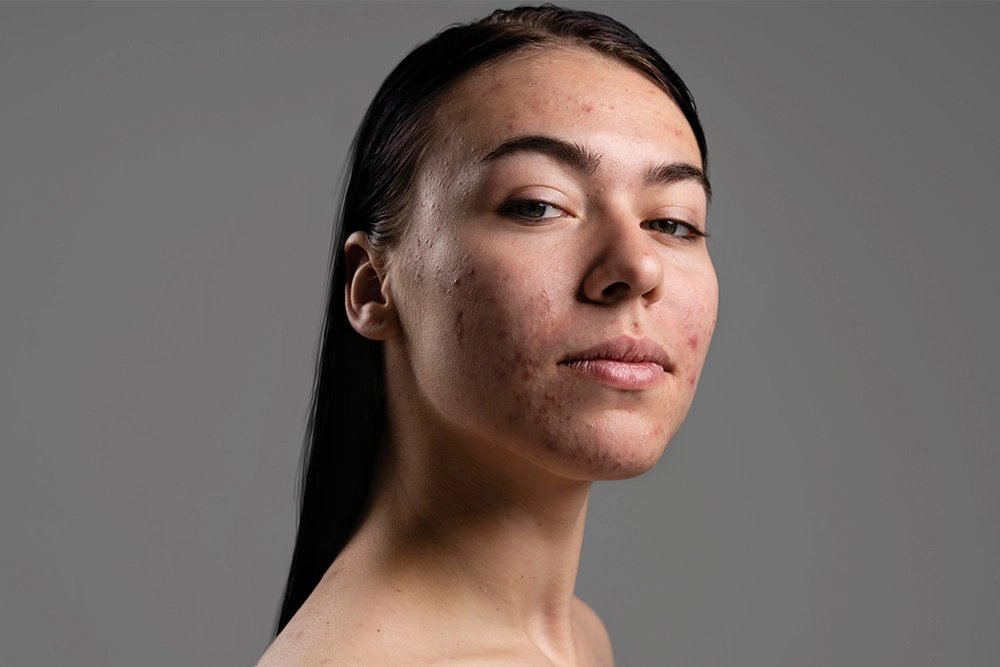
If so, excess oil production could be one of the main reasons behind your recurring breakouts.
Oily skin is more prone to acne because excess sebum can mix with dead skin cells and clog pores, creating an environment where acne-causing bacteria can thrive. But here's the good news—having oily skin doesn't mean you'll always struggle with acne.
With the right acne treatment for oily skin, a consistent skincare routine, and professional care when needed, it's possible to manage excess oil, reduce breakouts, and maintain healthier-looking skin.
In this guide, we'll explain why oily skin causes acne, how to care for oily, acne-prone skin, which ingredients may help, professional treatment options, and practical tips to support long-term skin health.
Why Does Oily Skin Cause Acne?
Have you ever wondered why people with oily skin often experience more acne?
Your skin naturally produces an oily substance called sebum, which helps keep your skin soft, hydrated, and protected. This oil is produced by tiny oil glands called sebaceous glands.
The problem begins when these glands produce more oil than your skin needs.
The excess sebum mixes with dead skin cells and becomes trapped inside the pores. Over time, the clogged pores create an ideal environment for acne-causing bacteria to grow, leading to inflammation and breakouts such as:
- Blackheads
- Whiteheads
- Pimples
- Painful acne lesions
This is why people with oily skin are generally at a higher risk of developing acne than those with normal or dry skin.
What Causes Excess Oil Production?
Not everyone with oily skin produces the same amount of oil. Several factors can influence how active your sebaceous glands are.
Common causes include:
Genetics
If oily skin runs in your family, you're naturally more likely to produce excess sebum.
Hormonal Changes
Hormonal fluctuations during puberty, menstruation, pregnancy, or conditions such as PCOS can stimulate the sebaceous glands to produce more oil.
Hot, Humid Weather & Dehydration
Hot and humid weather can make the skin feel oilier and greasier. At the same time, dehydrated skin lacks sufficient water, which can leave oily skin feeling unbalanced and may make excess oiliness more noticeable.
Stress
When you're under stress, your body releases hormones such as cortisol, which may increase sebum production in some individuals.
Using the Wrong Skincare Products
Heavy creams, pore-clogging cosmetics, or harsh cleansers can disrupt your skin's balance and contribute to excess oil or irritation.
Overwashing the Face
Many people believe washing the face frequently will reduce oiliness. In reality, overwashing can strip away the skin's natural oils, causing it to produce even more oil to compensate.
Diet and Lifestyle
While diet doesn't directly cause acne in everyone, some people may notice flare-ups after consuming high-glycaemic foods or excessive dairy. The effects vary from person to person.
How Do You Know If Your Acne Is Related to Oily Skin?
Not sure whether your acne is linked to oily skin?
Ask yourself these questions:
- Does your face become oily within a few hours of cleansing?
- Do you frequently experience blackheads or whiteheads?
- Are pimples appearing regularly, especially on your forehead, nose, or chin?
- Do your pores look enlarged?
- Does your makeup slide off quickly because of excess oil?
- Do new breakouts appear even after previous ones have healed?
If you answered yes to several of these questions, excess oil production could be contributing to your acne.
A dermatologist can evaluate your skin and recommend the most suitable treatment based on your skin type and the underlying cause of your breakouts.
Daily Skincare Routine for Oily, Acne-Prone Skin
Wondering if the right skincare routine can help control oily skin and acne?
The answer is yes—but consistency is key.
A daily skincare routine won't completely stop your skin from producing oil, but it can help remove excess sebum, keep pores clean, support your skin barrier, and reduce the risk of new breakouts. The goal isn't to make your skin completely oil-free—it's to keep excess oil under control while maintaining healthy skin.
Morning Skincare Routine for Oily, Acne-Prone Skin
Starting your day with the right routine can help manage excess oil and protect your skin from environmental factors that may contribute to acne.
Step 1: Cleanse Your Face
Use a gentle cleanser suitable for oily or acne-prone skin to remove excess oil, sweat, and impurities that build up overnight.
Avoid harsh cleansers that leave your skin feeling overly dry, as they may disrupt your skin's natural barrier.
Step 2: Apply a Lightweight Moisturiser
Many people with oily skin skip moisturiser because they think it will make their skin greasier.
In reality, keeping your skin hydrated helps maintain a healthy skin barrier. Choose a lightweight, non-greasy moisturiser that suits your skin type.
Step 3: Don't Skip Sunscreen
Sun exposure can damage the skin, contribute to post-acne pigmentation, and affect overall skin health.
Choose a broad-spectrum sunscreen suitable for oily or acne-prone skin and apply it every morning, even on cloudy days.
Night Skincare Routine for Oily, Acne-Prone Skin
Your nighttime routine focuses on removing the day's buildup and helping your skin recover while you sleep.
Step 1: Cleanse Thoroughly
Wash away excess oil, sunscreen, makeup, dirt, and pollutants that accumulate throughout the day.
Step 2: Use Products Suitable for Your Skin Type
Choose skincare products that suit your skin type and concerns. Using products that are too heavy or unsuitable for your skin may clog pores or cause irritation. If you're unsure which products are right for you, consult a dermatologist for personalised recommendations.
Step 3: Moisturise
Keeping your skin hydrated supports the skin barrier and overall skin health.
A consistent skincare routine helps maintain healthy skin, but it may not be enough to manage persistent or moderate-to-severe acne on its own. If your acne continues despite following a routine, professional evaluation may be beneficial.
Can Diet and Lifestyle Affect Oily Skin and Acne?
Can what you eat or how you live affect your acne?
While diet alone doesn't cause acne, certain lifestyle habits may influence excess oil production and recurring breakouts in some individuals.
Healthy habits that may support overall skin health include:
- Eating a balanced diet rich in fruits and vegetables.
- Staying well hydrated throughout the day.
- Managing stress through regular exercise or relaxation techniques.
- Getting adequate sleep every night.
- Cleaning makeup brushes and pillowcases regularly.
- Avoiding smoking and limiting excessive alcohol consumption.
Some people may also notice that foods with a high glycaemic index or excessive dairy products appear to trigger breakouts. However, these effects vary from person to person, and no single food causes acne in everyone.
Common Mistakes That Can Make Oily Skin Acne Worse
Sometimes, everyday habits can worsen oily skin pimples and make recurring acne more difficult to manage.
Are you making any of these common mistakes?
- Washing your face too frequently.
- Scrubbing your skin aggressively.
- Skipping moisturiser because your skin feels oily.
- Sleeping with makeup on.
- Picking or squeezing pimples.
- Frequently changing skincare products.
- Using heavy or pore-clogging cosmetics.
- Expecting overnight results from skincare products.
Small, consistent changes to your skincare routine often deliver better long-term results than constantly trying new products.
Professional Acne Treatments for Oily Skin
Following a skincare routine but still struggling with oily skin and recurring acne?
While the right skincare routine can help manage excess oil and support healthy-looking skin, it may not always be enough for persistent or moderate-to-severe acne. In such cases, a professional oily skin acne treatment can help target the underlying factors contributing to recurring breakouts.
At VCare Hair & Skin Clinics, every treatment begins with a detailed skin assessment to understand your skin type, acne severity, excess oil production, and overall skin condition. Based on this evaluation, our dermatologists recommend a personalized treatment plan that best suits your skin's needs.
Some of the professional treatments that may be recommended include:
ACNEX Treatment
Recurring breakouts caused by excess oil and acne-causing bacteria?
VCare's ACNEX Treatment is designed to help manage oily, acne-prone skin by targeting factors associated with recurring acne.
It may help:
- Control excess oil production
- Manage acne-causing bacteria
- Calm active pimples
- Support clearer-looking skin
- Help reduce the risk of post-acne pigmentation and recurring breakouts
SaliPeel Treatment
Looking for a treatment that helps clear clogged pores?
SaliPeel Treatment is a dermatologist-performed salicylic acid peel that exfoliates the skin's surface and helps remove excess oil, dead skin cells, and pore congestion.
It may help:
- Clear clogged pores
- Reduce blackheads and whiteheads
- Control excess oil
- Improve the appearance of acne marks
- Support smoother-looking skin
The most suitable treatment depends on your skin condition, acne severity, and treatment goals. A dermatologist can recommend the right approach after evaluating your skin.
When Should You See a Dermatologist for Oily Skin Acne?
Not every pimple requires professional treatment. However, if your acne continues despite following a consistent skincare routine, it may be time to consult a dermatologist.
Consider seeking professional advice if you:
- Have persistent or recurring acne
- Develop painful or inflamed pimples
- Notice acne scars or dark marks
- Experience frequent breakouts despite using skincare products
- Are unsure which products or treatments are suitable for your skin
Early treatment may help reduce the risk of long-term skin damage and support better treatment outcomes.
Final Thoughts
Managing oily skin doesn't mean trying to remove every trace of oil—it means keeping excess oil under control while maintaining a healthy skin barrier.
A consistent skincare routine, healthy lifestyle habits, and choosing products that suit your skin type can help support healthier-looking skin and reduce the likelihood of future breakouts. However, if your acne persists despite proper skincare, consulting a dermatologist can help identify the underlying cause and recommend the most suitable treatment plan.
At VCare Hair & Skin Clinics, our dermatologists provide personalized skin assessments and customized treatment plans to help manage oily skin, control recurring acne, and support clearer, healthier-looking skin.
Frequently Asked Questions
Why does oily skin cause acne?
Oily skin produces excess sebum, which can mix with dead skin cells and clog pores, increasing the risk of acne.
Can oily skin become acne-free?
Yes. With a consistent skincare routine and professional treatment when needed, oily skin can be managed and breakouts can be significantly reduced.
Which cleanser is best for oily, acne-prone skin?
A gentle cleanser that removes excess oil without over-drying the skin is generally recommended. Choose one that suits your skin type.
Which ingredients help reduce excess oil?
Ingredients such as niacinamide, salicylic acid, and clay-based formulations may help manage excess oil. Consult a dermatologist before using active ingredients.
Is moisturiser necessary for oily skin?
Yes. A lightweight, non-comedogenic moisturiser helps maintain the skin barrier without making the skin feel greasy.
Which professional treatment works best for oily skin acne?
The right treatment depends on your skin type and acne severity. A dermatologist can recommend suitable options such as ACNEX Treatment or SaliPeel Treatment after evaluating your skin.
What is the best treatment for oily skin acne?
The best treatment for oily skin acne depends on your acne severity and skin condition. A dermatologist can recommend suitable skincare, medications, or professional treatments based on your skin’s needs.







 info@vcaretrichology.com
 +91 709 2525 252
 View All Locations


