

How Growth Factors Support Skin Rejuvenation Naturally
Published on 2026-11-13 | By Admin
Have you noticed your skin looking dull even when you follow a regular skincare routine? Perhaps fine lines are becoming more visible, your skin feels less firm, or old acne marks and uneven skin tone are taking longer to improve. These changes can happen as your skin responds to ageing, sun exposure and everyday environmental stress. Understanding growth factor concentrate can help you learn how the body's natural repair mechanisms work and how certain professional treatments aim to support skin rejuvenation.
Your skin is constantly renewing itself, even when you don't notice it. Specialised cells communicate with one another, repair damaged tissue and maintain the skin's structure. Growth factors play an important role in this process. But what exactly are they, and how can they contribute to healthier-looking skin? Let's explore the science behind them and understand where professional skin rejuvenation fits in.
What Are Growth Factors?
Think of your skin as a living system where different cells need to communicate to keep everything functioning properly. Growth factors are naturally occurring proteins that act as messengers between cells, helping regulate processes such as cell growth, repair and tissue maintenance.
These proteins interact with specific receptors on cells and trigger signals that influence how cells respond. Depending on the growth factor and the type of cell involved, these signals may support tissue repair, collagen production and other processes associated with healthy skin.
How Do Growth Factors Work in the Skin?
Growth factors are involved in several important processes:
- Cell communication: They help cells send and receive signals involved in skin maintenance and repair.
- Collagen support: Certain growth factors influence the activity of fibroblasts, the cells responsible for producing collagen and other components of the skin's supportive structure.
- Tissue repair: They participate in the body's natural response to tissue injury and recovery.
- Skin regeneration: They help regulate cellular activities involved in maintaining and renewing skin tissue, contributing to overall skin regeneration.
Growth factors are not the same as moisturisers or exfoliating ingredients. Rather than simply improving the skin's surface, they participate in biological signalling processes within the body.
However, their effects depend on the specific growth factor, its concentration, how it is delivered and the condition being addressed. This is why the presence of growth factors alone does not guarantee a particular skin result.
Why Are Growth Factors Important for Healthy Skin?
Have you ever wondered why your skin may not look as smooth or firm as it once did? As we age, the processes responsible for skin renewal, collagen production and repair gradually change. Growth factors play an important role in these processes, which is why they are being explored in professional skin rejuvenation.
1. Supporting Skin Renewal
Your skin continuously replaces older cells with newer ones. Growth factors help regulate cellular activity involved in skin regeneration and tissue maintenance, supporting the skin's natural renewal process.
2. Maintaining Collagen and Skin Firmness
Collagen helps maintain skin strength and firmness. Certain growth factors influence fibroblasts, the cells involved in collagen production. This makes them relevant to the biological processes associated with skin ageing, fine lines and reduced elasticity.
3. Supporting Skin Texture
Uneven texture, roughness and visible pores can develop due to ageing, acne and sun damage. Growth factors participate in tissue repair processes that may be relevant to improving certain skin texture concerns through professional treatments.
4. Contributing to Skin Repair
When your skin experiences damage, growth factors help coordinate cellular responses involved in healing and tissue repair. Their role in these processes has also encouraged research into growth factor-based rejuvenation treatments.
5. Maintaining Healthy-Looking Skin
Healthy skin depends on proper hydration, collagen support, barrier function and natural renewal. Growth factors contribute to several of these biological processes, although overall skin health also depends on genetics, lifestyle and consistent skincare.
How Growth Factors Support Skin Rejuvenation
Now that we understand what growth factors are, let's look at how they relate to skin rejuvenation.
Professional skin rejuvenation focuses on concerns such as fine lines, dullness, uneven texture and acne marks. Growth factor-based approaches work with the skin's biological signalling processes, which are involved in tissue repair, collagen regulation and skin maintenance.
Potential areas of interest include:
- Skin firmness: Supporting collagen-related processes that help maintain skin structure.
- Smoother texture: Supporting repair processes associated with skin renewal.
- Skin quality: Exploring ways to encourage healthier-looking skin.
- Recovery: Supporting biological processes involved in tissue repair.
However, the natural role of growth factors doesn't guarantee the results of a particular treatment. Outcomes depend on the procedure, available clinical evidence and individual skin concerns. A professional assessment helps determine the most suitable approach.
Signs Your Skin May Need Professional Rejuvenation
Your skincare routine may help maintain healthy skin, but some concerns need more targeted attention. If certain changes persist despite consistent care, understanding their cause is the first step.
Persistent Dullness
Does your skin look tired even after moisturising? Dehydration, dead skin cell buildup, sun exposure and lifestyle factors may contribute to a dull complexion.
Fine Lines and Reduced Elasticity
Ageing, collagen changes and sun exposure can gradually affect skin firmness, making fine lines and wrinkles more noticeable.
Uneven Skin Tone and Acne Marks
Dark spots, melasma and post-acne pigmentation may require different treatment approaches depending on their underlying causes.
Rough or Uneven Texture
Dryness, acne scars and changes in skin structure can affect smoothness. A professional assessment helps identify the most suitable approach.
Not every skin concern requires growth factor therapy. Sometimes, improving your skincare routine or addressing the underlying condition may be more appropriate.
Professional Treatments That Use Growth Factors
Growth factors are being explored in several areas of regenerative medicine and skin care. The methods used to obtain, prepare and deliver them vary, so the term growth factor treatment does not describe one standard procedure.
Growth Factor Concentrate (GFC) Treatment
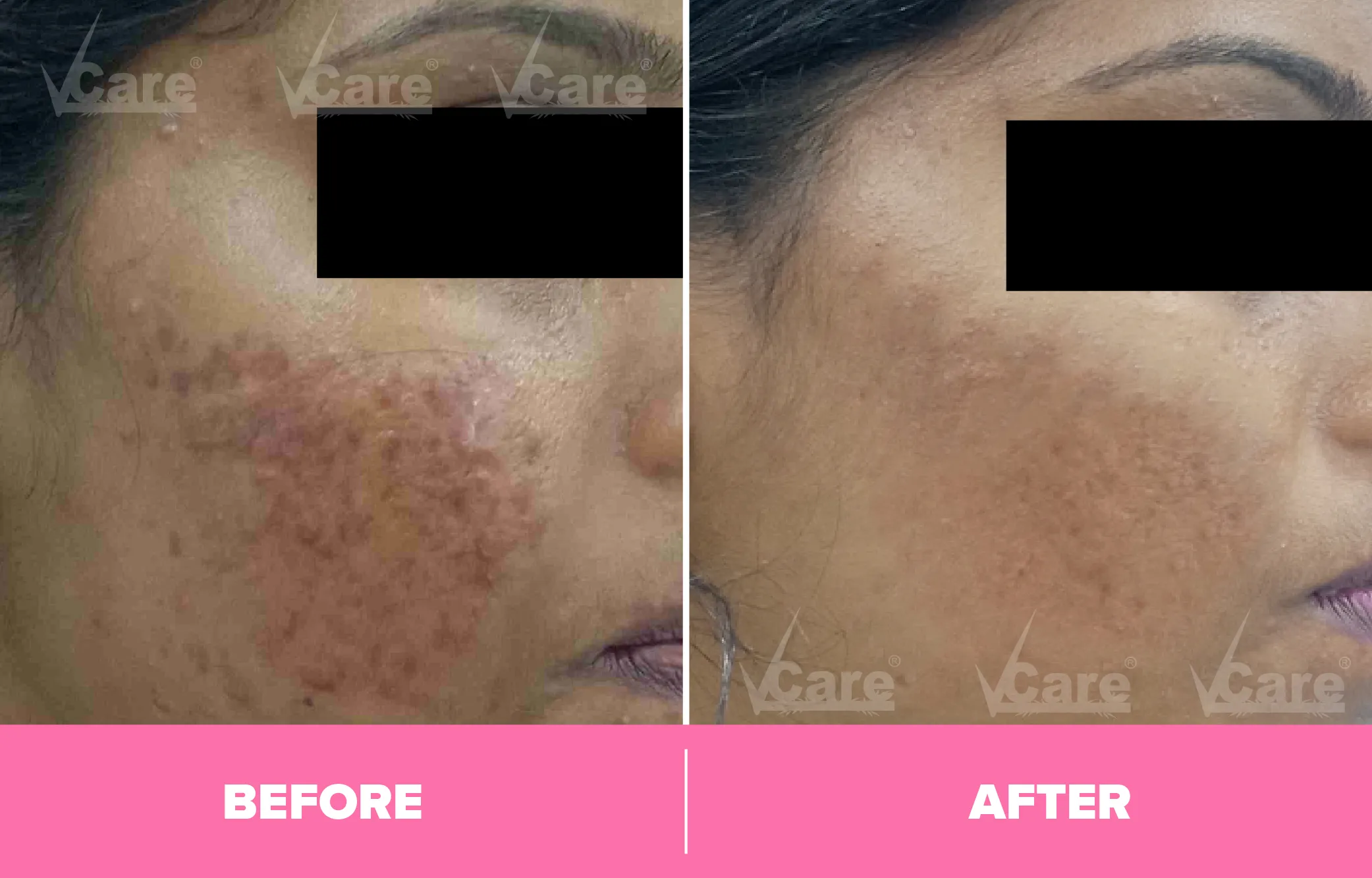
Growth Factor Therapy for Skin using GFC (Growth Factor Concentrate) is an autologous treatment that uses growth factors derived from an individual's own blood. At VCare Hair & Skin Clinics, a blood sample is processed using a specialised system to collect growth factors released from activated platelets. The resulting concentrate is then administered to targeted skin areas by a trained medical professional.
The aim is to use concentrated biological signalling components in a professional skin rejuvenation setting. The procedure, suitability, expected outcomes and possible risks should be discussed during a consultation.
You can learn more about the procedure, its suitability and what to expect on VCare's GFC Skin Treatment page.
Other Regenerative Skin Approaches
Other professional approaches may involve platelet-derived preparations, biologically active components or procedures designed to support the skin's repair response. These methods differ in their preparation, mechanism and evidence.
They should not be treated as interchangeable. A qualified professional can explain the available options and whether a particular approach is suitable for your skin concern.
Healthy Habits That Support Skin Renewal
Professional treatments can support skin rejuvenation, but your daily habits also play an important role in maintaining healthy skin. A few consistent practices can make a difference.
1. Use Sunscreen Every Day
Sun exposure contributes to pigmentation, collagen damage and premature ageing. Use broad-spectrum sunscreen with SPF 30 or higher and reapply as needed.
2. Keep Your Skin Hydrated
A suitable moisturiser helps maintain the skin barrier and prevent moisture loss. Drinking adequate water also supports overall health.
3. Eat a Balanced Diet
Include protein-rich foods, fruits, vegetables and healthy fats to provide essential nutrients that support normal skin repair and maintenance.
4. Prioritise Quality Sleep
Adequate sleep supports the body's natural recovery processes and helps maintain healthier-looking skin.
5. Follow a Consistent Skincare Routine
Stick to gentle cleansing, moisturising and sun protection. Avoid excessive exfoliation or using too many active ingredients that may irritate your skin.
6. Avoid Smoking
Smoking contributes to premature skin ageing and can affect tissue repair. Avoiding it supports long-term skin health.
Remember, healthy skin renewal isn't about following a complicated routine. It's about giving your skin consistent care while addressing specific concerns when needed.
Conclusion
Your skin is constantly working to maintain, repair and renew itself. Growth factors are part of this natural process, helping cells communicate and regulating biological activities associated with tissue repair and skin maintenance.
Understanding growth factor concentrate provides insight into how certain professional treatments aim to support skin rejuvenation. However, no single approach addresses every skin concern, and results depend on the treatment, the condition being treated and individual factors.
If you are concerned about dullness, uneven texture, fine lines or persistent acne marks, start by understanding what your skin needs. A personalised consultation can help you explore appropriate options while maintaining healthy skincare habits for the long term.
Frequently Asked Questions
1. What are growth factors in skincare?
Growth factors are naturally occurring proteins that act as cellular messengers. They regulate processes such as cell growth, tissue repair and maintenance, and certain growth factors influence collagen-related activity in the skin.
2. How do growth factors support skin rejuvenation?
Growth factors participate in biological signalling involved in repair and tissue maintenance. Professional treatments using growth factor-based preparations aim to support these processes, but results vary depending on the method used and the individual's skin condition.
3. Are growth factors naturally present in the body?
Yes. The body produces different growth factors that help regulate cellular activity and tissue maintenance. Their functions vary according to the specific growth factor and the cells receiving its signals.
4. Who may benefit from professional skin rejuvenation?
People concerned about persistent dullness, fine lines, uneven texture or certain acne marks may benefit from a professional assessment. The most appropriate treatment depends on the cause of the concern, skin type, medical history and individual goals.
5. How can I maintain healthy skin naturally?
Use sunscreen, moisturise regularly, eat a balanced diet, get adequate sleep and follow a consistent skincare routine. These habits support skin health but may not be enough to treat persistent pigmentation, scarring or other skin conditions.
6. Why is professional consultation important before a growth factor treatment?
Different treatments use different preparations and techniques, and their benefits and risks can vary. A professional consultation helps assess your skin, review your medical history, explain realistic expectations and determine whether the procedure is suitable.
7. What is growth factor therapy for skin?
Growth factor therapy for skin uses concentrated growth factors, typically derived from your own blood, to support skin repair and rejuvenation. At VCare Hair & Skin Clinics, GFC therapy is performed by trained professionals as part of a personalised skin rejuvenation plan, based on individual skin needs.

 info@vcaretrichology.com
 +91 709 2525 252
 View All Locations


