

10 Eye Care Tips for Dark Circles and Healthier Eyes
Published on 2026-10-24 | By Admin
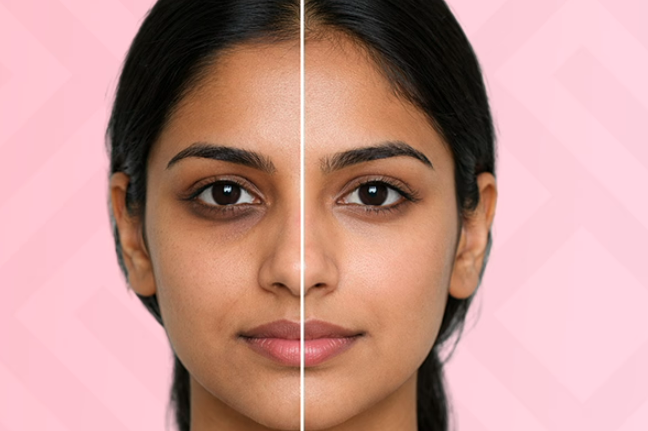
The skin around your eyes is thinner and more delicate than most areas of your face, which makes it more sensitive to sleep changes, sun exposure, dehydration, screen time, and daily habits. Following simple Eye Care Tips for Dark Circles can help maintain healthier-looking under-eye skin and reduce factors that may make dark circles more noticeable.
However, dark circles aren't always caused by lifestyle habits alone. Genetics, pigmentation, ageing, allergies, and under-eye structure can also contribute to persistent darkness. That's why healthy under-eye care should combine good daily habits with appropriate skincare and professional guidance when needed.
In this guide, we'll look at simple Eye Care Tips for Dark Circles, including sleep, hydration, nutrition, sun protection, screen habits, skincare, and lifestyle changes that can support healthier-looking eyes.

Why Daily Eye Care Matters
Your eyes go through a lot every day, from long hours in front of screens to sun exposure, makeup, lack of sleep, and environmental stress.
Because the under-eye skin is particularly delicate, harsh products, frequent rubbing, dehydration, and irregular sleep can make it look dull, dry, or tired.
A consistent Daily Eye Care Routine can help support the skin barrier, maintain hydration, and reduce some lifestyle factors that may make dark circles more noticeable.
However, healthy habits cannot completely prevent dark circles caused by genetics, pigmentation, or facial structure.
1. Get Enough Quality Sleep
Getting enough quality sleep is one of the most important Eye Care Tips for Dark Circles, especially when tiredness and an irregular sleep schedule make the under-eye area look dull or puffy.
Instead of focusing only on the number of hours you sleep, try to maintain a consistent sleep schedule and prioritise good-quality rest.
Simple sleep habits to follow:
Maintain a regular bedtime and wake-up time.
- Aim for adequate sleep each night.
- Avoid excessive screen use immediately before bedtime.
- Create a comfortable, dark sleeping environment.
- If morning puffiness is a concern, slightly elevating your head while sleeping may help reduce fluid accumulation.
Poor sleep doesn't necessarily cause all dark circles, but it can make existing under-eye darkness and puffiness appear more noticeable.
2. Stay Hydrated
Dehydration can make the skin look dull, dry, and tired. The under-eye area may also appear more sunken when the skin lacks adequate hydration.
Drinking sufficient water throughout the day is therefore an important part of Healthy Under-Eye Care and one of the simple Eye Care Tips for Dark Circles you can follow every day.
You can also support hydration by including water-rich foods such as:
- Cucumber
- Watermelon
- Oranges
- Soups
- Other fresh fruits and vegetables
Remember, hydration alone cannot remove pigmentation or structural dark circles, but it can support healthier-looking skin.
3. Eat a Nutrient-Rich Diet
Your skin needs a range of nutrients to maintain its normal structure and function. A balanced diet can therefore complement your Daily Eye Care Routine.
Try to include foods containing:
Nutrient | Food sources |
Vitamin C | Citrus fruits, guava, berries, bell peppers |
Vitamin E | Nuts,seeds and avocados |
Iron | Leafy greens, legumes, eggs, lean meats |
Antioxidants | Fruits, vegetables, berries |
Protein | Eggs, dairy, pulses, fish, lean meats |
Rather than relying on one “superfood,” focus on maintaining a varied and balanced diet.
4. Protect the Under-Eye Area from the Sun
Sun exposure is an important consideration when it comes to under-eye pigmentation. UV exposure can stimulate melanin production and may make pigmentation more noticeable over time.
Make sun protection part of your everyday Under-Eye Skincare Tips.
Remember to:
- Apply a suitable broad-spectrum sunscreen.
- Wear sunglasses when outdoors.
- Use a hat or other physical protection during prolonged sun exposure.
- Reapply sunscreen as recommended, especially when spending extended time outdoors.
Be gentle when applying sunscreen around the eyes and avoid getting the product directly into the eyes.
5. Reduce Screen Time and Eye Strain
Long hours on laptops and phones can leave your eyes feeling tired and dry. Although screen time isn't necessarily a direct cause of dark circles, prolonged eye strain and fatigue may make the under-eye area appear more tired.
Try the 20-20-20 rule:
Every 20 minutes, look at something around 20 feet away for at least 20 seconds.
You can also:
- Blink frequently while using screens.
- Adjust your screen brightness to a comfortable level.
- Keep your screen at an appropriate distance.
- Take short breaks during long work or study sessions.
- Avoid using screens continuously without rest.
These simple Lifestyle Tips for Dark Circles can also support overall eye comfort.
6. Be Gentle with Your Eyes
The skin around your eyes is delicate, so rough handling can cause unnecessary irritation.
One of the simplest Eye Care Tips for Dark Circles is to avoid rubbing or scrubbing the area.
Follow these simple habits:
- Don't rub your eyes frequently.
- Remove makeup gently.
- Avoid aggressive scrubbing.
- Use a soft towel and pat the area dry.
- Be careful when removing waterproof eye makeup.
- Avoid applying harsh skincare products too close to the eyes.
If your eyes feel itchy because of allergies or irritation, addressing the underlying cause is better than repeatedly rubbing the area.
7. Follow a Consistent Under-Eye Skincare Routine
Good skincare doesn't need to be complicated.
A simple Daily Eye Care Routine can help maintain hydration and protect the delicate under-eye area.
Morning
Cleanse: Use a gentle cleanser without aggressively rubbing the eye area.
Moisturise: Apply a suitable moisturiser or eye product to help maintain hydration.
Protect: Use appropriate sunscreen and sunglasses when outdoors.
Night
Remove makeup: Gently remove makeup before cleansing.
Cleanse: Use a mild cleanser to remove dirt and product residue.
Moisturise: Apply a suitable hydrating product around the eyes.
The most important factor is consistency. Constantly changing products may make it difficult to understand what works for your skin.
8. Manage Daily Stress
Stress doesn't necessarily cause dark circles directly, but prolonged stress can affect your sleep, lifestyle habits, and overall appearance.
If stress is affecting your rest or daily routine, try simple activities such as:
- Walking or exercising regularly
- Practising meditation or breathing exercises
- Spending time on hobbies
- Taking regular breaks from work
- Maintaining a consistent sleep schedule
Managing stress can therefore support both your overall wellbeing and your Healthy Eyes Routine.
9. Avoid Habits That May Worsen Dark Circles
Some everyday habits can work against your efforts to maintain healthier-looking under-eye skin.
Try to avoid or limit:
Smoking
Smoking can negatively affect overall skin health and may contribute to a tired-looking appearance.
Excessive Alcohol
Excessive alcohol consumption can contribute to dehydration and may make puffiness or tired-looking skin more noticeable.
Irregular Sleep
Frequently changing your sleep schedule can contribute to fatigue and make existing under-eye concerns appear more prominent.
Poor Diet
A diet lacking variety and essential nutrients may not provide the nutritional support your skin needs.
Small, consistent lifestyle changes are usually more sustainable than making several drastic changes at once.
10. Give Your Under-Eye Skin Consistent Care
Healthy-looking eyes aren't achieved through one product or one overnight remedy.
Instead, combine the basics:
Sleep + hydration + nutrition + sun protection + gentle skincare + screen breaks + stress management
These habits can help support the appearance and health of the delicate under-eye area over time.
However, if you're following a healthy routine and your dark circles still persist, lifestyle may not be the main factor.
When Lifestyle Changes May Not Be Enough
Sometimes, dark circles continue despite good sleep, hydration, skincare, and healthy habits.
This may happen when the underlying concern is related to genetics, pigmentation, visible blood vessels, ageing, allergies, or under-eye hollowness.
In these situations, repeatedly changing eye creams or home remedies may not address the actual cause.
A professional skin assessment can help identify the underlying type of dark circle and determine whether targeted treatment may be appropriate.
Want to understand the different causes and treatment options? Read our complete Dark Circles Treatment Guide.
Final Thoughts
Taking care of your eyes doesn't have to involve a complicated routine. Simple Eye Care Tips for Dark Circles such as getting quality sleep, staying hydrated, eating well, protecting your skin from the sun, reducing eye strain, and avoiding eye rubbing can support healthier-looking under-eye skin.
At the same time, it's important to remember that not every dark circle is caused by lifestyle. Persistent pigmentation, genetics, ageing, allergies, and under-eye hollowness may require a more targeted approach.
Healthy habits are a good starting point. Understanding the cause is the next step.
FAQs
1. Can lifestyle changes help reduce dark circles?
Yes. Better sleep, hydration, sun protection, balanced nutrition, and gentle skincare may help reduce dark circles related to lifestyle factors. However, genetic or pigmentation-related dark circles may need additional treatment.
2. Does drinking more water remove dark circles?
Drinking enough water can help prevent dehydration-related dullness and support healthier-looking skin. However, hydration alone cannot remove dark circles caused by pigmentation, genetics, or under-eye hollowness.
3. Does lack of sleep always cause dark circles?
No. Lack of sleep can make dark circles look more noticeable, but genetics, pigmentation, ageing, allergies, and facial structure can also contribute.
4. Which foods are good for under-eye skin?
Foods rich in vitamin C, vitamin E, iron, antioxidants, and protein can support overall skin health. Include fruits, vegetables, nuts, seeds, eggs, pulses, and other nutrient-rich foods in a balanced diet.
5. Can screen time make dark circles worse?
Long periods of screen use can contribute to eye strain and tired-looking eyes. Taking regular breaks, blinking frequently, and following the 20-20-20 rule can help reduce eye strain.
6. Can rubbing my eyes cause dark circles?
Frequent rubbing can irritate the delicate skin around the eyes and may worsen pigmentation over time. Being gentle with the area can help prevent further irritation.
7. Is sunscreen important for preventing dark circles?
Yes. Sun exposure can increase pigmentation around the eyes and make existing darkness more noticeable. Suitable sun protection can help protect the delicate under-eye area.
8. Can eye creams completely remove dark circles?
Eye creams may help with hydration, dryness, or mild under-eye concerns, but they may not fully improve dark circles caused by genetics, pigmentation, ageing, or under-eye hollowness.




 info@vcaretrichology.com
 +91 709 2525 252
 View All Locations


