

10 Common Dark Circle Myths vs Facts You Should Know
Published on 2026-10-22 | By Admin
Dark circles are often associated with late nights, tiredness, or poor lifestyle habits. But the reality is more complex. Dark Circle Myths are common because under-eye darkness can have several different causes, including genetics, pigmentation, ageing, allergies, lifestyle factors, and changes in the structure beneath the eyes.
That is why a solution that works for one person may make little difference to someone else. Getting more sleep may help if tiredness is making your dark circles more noticeable, but it may not change pigmentation or under-eye hollowness.
Similarly, drinking more water, using an eye cream, or applying makeup may support the appearance of the under-eye area, but these approaches cannot address every possible cause.
In this guide, we'll look at 10 common dark circle myths, separate them from the facts, and explain what you should actually know about under-eye darkness.
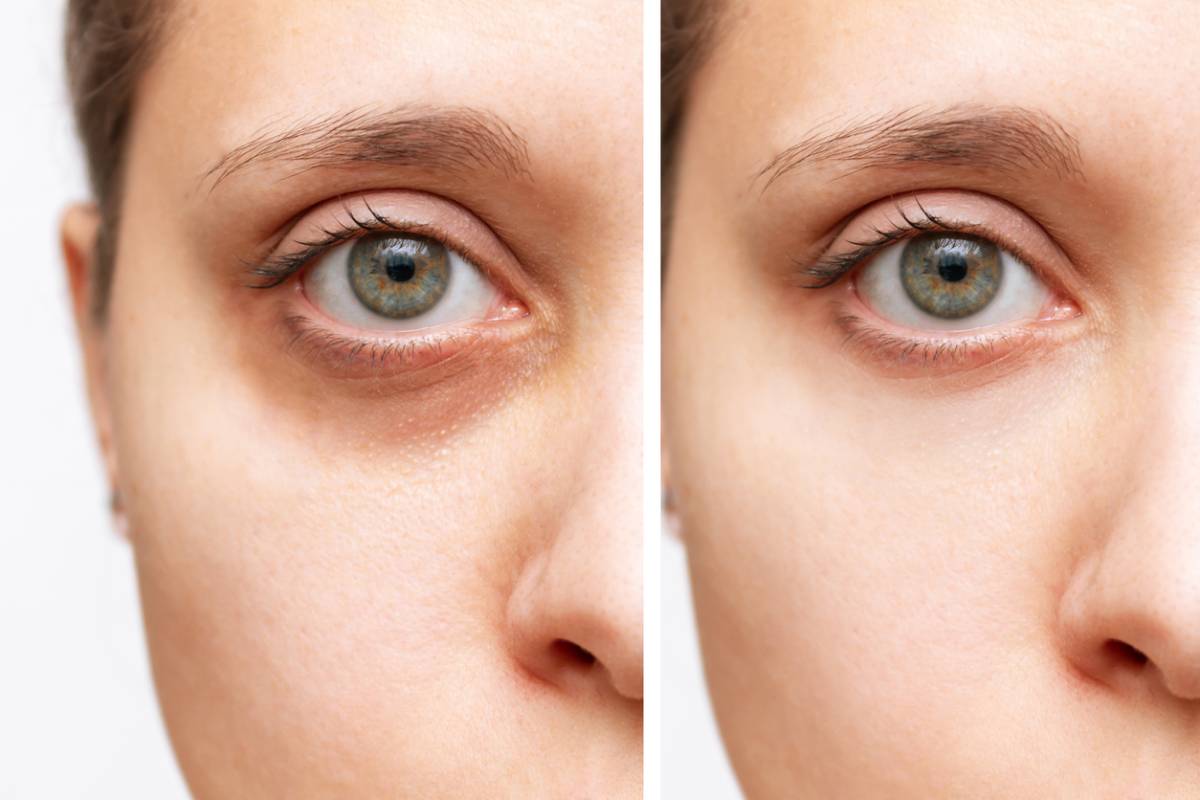
Why Are There So Many Myths About Dark Circles?
Dark circles can be difficult to understand because they don't look the same in everyone. The skin beneath the eyes is naturally thinner and more delicate than much of the surrounding facial skin, making changes underneath the skin more visible.
Depending on the underlying cause, dark circles may appear brown, grey, blue, purple, or shadow-like. Some people may have pigmentation, while others may have more visible blood vessels or shadows caused by changes in facial volume.
Lifestyle factors can also make existing dark circles more noticeable. Poor sleep, dehydration, stress, prolonged screen use, allergies, and frequent eye rubbing may contribute to a tired-looking appearance without necessarily being the primary cause.
This variation is one reason why Common Dark Circle Myths continue to circulate. A tip that helps one person may not work for another because their dark circles have a completely different underlying cause.
Let's look at some of the most common misconceptions.
Myth 1: Dark Circles Are Only Caused by Lack of Sleep
Fact: Lack of sleep can make dark circles more noticeable, but it isn't the only cause.
Poor sleep can make the skin look dull and tired, while blood vessels beneath the thin under-eye skin may become more visible.
However, genetics, pigmentation, allergies, ageing, dehydration, and under-eye hollowness can also contribute. So, if your dark circles persist despite getting enough sleep, there may be another underlying factor.
The takeaway: Better sleep can help, but it isn't a universal solution for dark circles.
Myth 2: Everyone Gets Dark Circles for the Same Reason
Fact: Dark circles can develop for different reasons, and the cause varies from person to person.
One person may have pigmentation, while another may have visible blood vessels or shadows caused by under-eye hollowness. In some cases, several factors can occur together, such as genetic pigmentation combined with tiredness.
This is why Dark Circle Facts cannot be reduced to one cause or solution. What works for pigmentation may not address structural shadows or genetically influenced darkness.
The takeaway: The right approach depends on what is causing your dark circles.
Myth 3: Dark Circles Only Affect Older Adults
Fact: Dark circles can appear at almost any age.
Although ageing can make under-eye darkness more noticeable, younger people can also experience dark circles due to genetics, pigmentation, allergies, nasal congestion, or naturally thin under-eye skin.
As we age, changes in collagen, skin thickness, and facial volume can make hollowness and shadows more visible.
The takeaway: Dark circles can affect people of all ages and may have different causes.
Myth 4: Eye Creams Can Remove Every Type of Dark Circle
Fact: Eye creams can support under-eye hydration and appearance, but they cannot address every cause of dark circles.
They may help with dryness or mild pigmentation, depending on the ingredients and consistent use. However, skincare may not correct genetic pigmentation, visible blood vessels, or shadows caused by under-eye hollowness.
This is an important Dark Circle Misconception: not every dark circle is simply a skincare concern.
The takeaway: Eye creams can support under-eye care, but their effectiveness depends on the underlying cause.
Myth 5: Drinking More Water Alone Removes Dark Circles
Fact: Staying hydrated supports healthy-looking skin, but water alone cannot remove every type of dark circle.
Dehydration can make the skin look dull, dry, or tired, while the under-eye area may appear more sunken and make existing shadows more noticeable.
Drinking enough water is therefore a useful part of a healthy skincare and lifestyle routine. However, it cannot address genetic or sun-related pigmentation, visible blood vessels, or under-eye hollowness.
The takeaway: Stay hydrated for healthier-looking skin, but don't expect water alone to eliminate persistent dark circles.
Myth 6: Dark Circles Mean You're Unhealthy
Fact: Having dark circles doesn't automatically mean there's a health problem.
Many healthy people naturally have under-eye darkness due to genetics, skin tone, facial structure, or pigmentation. Lifestyle factors such as poor sleep, stress, dehydration, or allergies can also make existing dark circles more noticeable.
However, if the darkness appears suddenly, becomes significantly worse, or occurs with other concerning symptoms, professional medical advice may be appropriate.
The takeaway: Dark circles are common and don't automatically indicate poor health.
Myth 7: Makeup Causes Dark Circles
Fact: Makeup itself does not necessarily cause dark circles.
However, unsuitable products or improper makeup removal can irritate the delicate skin around the eyes. Frequent rubbing during application or removal may also contribute to irritation and pigmentation in some people.
Choose suitable eye makeup, check expiry dates, keep brushes clean, and remove makeup gently before bed.
The takeaway: Makeup doesn't automatically cause dark circles, but poor product choices and rough removal can irritate the under-eye area.
Myth 8: Rubbing Your Eyes Doesn't Matter
Fact: Frequent eye rubbing can irritate the delicate skin around the eyes and may make pigmentation more noticeable.
Allergies, dryness, tiredness, or irritation can make you rub your eyes more often. Repeated friction can further irritate this sensitive area.
If your eyes are frequently itchy, addressing the underlying cause is more helpful than simply trying not to rub them. Be especially gentle when removing makeup, particularly waterproof products.
The takeaway: Avoid frequent eye rubbing, as repeated friction can irritate the skin and make existing pigmentation more noticeable.
Myth 9: Sunscreen Isn't Needed Around the Eyes
Fact: Sun protection is important for the skin around the eyes, especially when pigmentation is a concern.
UV exposure can increase melanin production and make existing pigmentation more noticeable. Since the under-eye skin is delicate, use suitable sun protection carefully and avoid getting sunscreen directly into the eyes.
Sunglasses, hats, and shade can provide additional protection when you're outdoors for longer periods.
The takeaway: Don't overlook the under-eye area when protecting your skin from the sun.
Myth 10: All Dark Circles Need the Same Solution
Fact: Different types of dark circles can have different causes and may require different approaches.
Pigmentation, visible blood vessels, and under-eye hollowness can all create a darker-looking appearance, but they don't have the same underlying cause. Some people may also have a combination of these factors.
That's why using a product simply because it worked for someone else may not give you the same results. Understanding the Truth About Dark Circles starts with identifying what may be contributing to the darkness.
The takeaway: The right approach depends on the type and underlying cause of your dark circles.
When Should You Consult a Skin Expert?
Dark circles are usually not a serious concern, but persistent or worsening under-eye darkness may be worth discussing with a skin expert.
Consider seeking professional guidance if your dark circles:
- Become noticeably darker over time
- Persist despite healthy lifestyle habits
- Are accompanied by significant pigmentation
- Are associated with noticeable under-eye hollowness
- Continue despite a consistent skincare routine
- Affect your confidence or appearance
A professional assessment can help identify whether the concern is primarily related to pigmentation, vascular visibility, structural changes, or a combination of factors.
Final Thoughts
There is no single explanation behind every case of dark circles. Dark circle myths such as “you only need more sleep” or “water will make them disappear” can make people overlook the actual factors contributing to their under-eye darkness.
The key takeaway is simple: not all dark circles are the same.
Understanding the facts can help you make better decisions about your skincare and know when professional evaluation may be useful.
Frequently Asked Questions
1. Are dark circles always caused by lack of sleep?
No. Lack of sleep can make dark circles more noticeable, but genetics, pigmentation, allergies, ageing, dehydration, and under-eye structure can also contribute.
2. Can children develop dark circles?
Yes. Children can develop dark circles due to genetics, allergies, nasal congestion, or naturally thin skin around the eyes.
3. Do eye creams remove dark circles?
Eye creams may help with hydration, dryness, or mild under-eye concerns, but they may not address every cause of dark circles.
4. Does drinking water cure dark circles?
Staying hydrated can support healthier-looking skin, but drinking more water alone cannot remove dark circles caused by pigmentation, genetics, or structural factors.
5. Are dark circles hereditary?
Yes. Genetics can influence pigmentation, skin thickness, facial structure, and the visibility of blood vessels, making some people more prone to dark circles.
6. Can stress contribute to dark circles?
Stress may indirectly make dark circles more noticeable by affecting sleep, lifestyle habits, and overall appearance. However, stress is not the only possible cause.
7. Can rubbing my eyes make dark circles worse?
Frequent rubbing can irritate the delicate under-eye skin and may contribute to worsening pigmentation over time.
8. Is sunscreen necessary for the under-eye area?
Yes. Suitable sun protection can help protect the delicate skin around the eyes and reduce factors that may worsen pigmentation.



 info@vcaretrichology.com
 +91 709 2525 252
 View All Locations


