

Dark Circles Under Eyes: Causes, Types & Professional Treatment Options
Published on 2026-10-15 | By Admin
Worried About Dark Circles That Never Seem to Go Away?
You slept well. You drank enough water. You even tried an under-eye cream. Yet those dark circles under eyes just won't seem to fade.
Sound familiar?
Dark circles are common, but they don't always have the same cause. For some people, pigmentation is the main concern. For others, visible blood vessels, genetics, ageing, or under-eye hollowness may be responsible.
So, if you're looking for dark circles treatment, the first step is understanding why your under-eye area looks darker.
At VCare, skin experts assess the appearance and possible cause of your dark circles before suggesting a suitable treatment approach. This helps ensure that the treatment targets your actual concern rather than simply masking it.
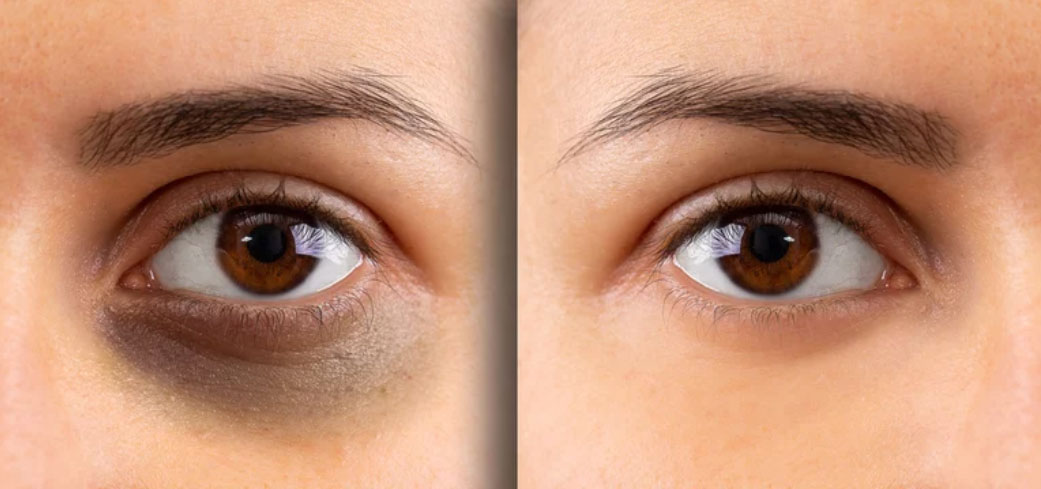
What Are Dark Circles?
Dark circles are areas of darker-looking skin or shadow beneath the eyes. They can make your face look tired even when you feel completely fine.
But here's something many people don't realise: dark circles under eyes and under-eye puffiness are not the same thing.
Dark circles mainly involve discoloration or shadows. Puffiness refers to swelling or fullness around the eyes. Some people may experience both at the same time.
Dark circles can appear brown, grey, blue, purple, or simply look darker because of shadows caused by under-eye hollowness.
That's why there isn't one universal dark circle treatment that works for everyone.
What Causes Dark Circles?
Dark circles under eyes can develop due to several different factors, and many people experience more than one cause at the same time.
1. Genetics and Family History
For some individuals, dark circles are inherited. Genetics can influence skin thickness, melanin production, facial structure, and blood vessel visibility beneath the eyes. If dark circles run in your family, you may be more likely to develop them regardless of lifestyle habits.
2. Vascular Factors
The skin beneath the eyes is naturally thinner than other areas of the face. When blood vessels become more visible through this thin skin, the under-eye area may appear bluish, purplish, or pinkish. Lack of sleep, allergies, dehydration, and eye rubbing can often make vascular dark circles appear more prominent.
3. Pigmentation
Excess melanin production can cause brown or dark discoloration beneath the eyes. This type of dark circle is often linked to genetics, sun exposure, post-inflammatory pigmentation, or repeated rubbing of the eye area. Pigmented dark circles are particularly common in medium to darker skin tones.
4. Aging and Volume Loss
As collagen and facial fat naturally decrease with age, the under-eye area may become hollow. These hollows create shadows that can resemble dark circles, even when there is no actual skin discoloration. This condition is often referred to as tear trough hollowing.
5. Lifestyle Factors
Poor sleep quality, stress, dehydration, smoking, excessive screen time, and inadequate nutrition can all contribute to tired-looking eyes and make existing dark circles appear more noticeable.
6. Medical Conditions
Certain health conditions may also contribute to under-eye darkness. Allergies, sinus congestion, anemia, thyroid disorders, and nutritional deficiencies can affect circulation, pigmentation, or skin quality around the eyes.
What Type of Dark Circles Do You Have?
Not all dark circles are caused by the same factor. Identifying the type of dark circles you have can help determine which treatment approach may be more effective.
Type | Appearance | Common Causes |
Pigmented Dark Circles | Brown, dark brown, or grayish patches under the eyes | Genetics, sun exposure, excess melanin, post-inflammatory pigmentation |
Vascular Dark Circles | Blue, purple, pink, or reddish discoloration | Visible blood vessels, poor sleep, dehydration, allergies |
Structural Dark Circles (Tear Trough) | Hollow or shadowy under-eye appearance | Aging, facial anatomy, collagen loss, volume depletion |
Mixed-Type Dark Circles | Combination of pigmentation, discoloration, and hollowness | Multiple contributing factors occurring together |
Did You Know?
The same dark circle can look different under lightening. That’s because pigmentation and shadows can both contribute to how dark the under-eye area appears.
How Are Dark Circles Diagnosed?
So, how do you know what's actually causing your dark circles?
It's not always possible to tell just by looking in the mirror.
At VCare, a skin expert can assess:
- The colour and appearance of the under-eye area
- Skin thickness and condition
- Pigmentation
- Under-eye hollowness and shadows
- Lifestyle and sleep patterns
- Allergies or frequent eye rubbing
- Your skin and medical history
This assessment helps identify whether the concern is mainly pigmented, vascular, structural, or mixed.
And that's important because the right under eye dark circles treatment depends on the underlying cause.
Treatment Options for Dark Circles at VCare
Not all dark circles under eyes are treated the same way. Since pigmentation, vascular visibility, and under-eye hollowness require different approaches, treatment is carefully selected based on the underlying cause. At VCare, treatment plans are personalized to address individual under-eye concerns more effectively.
ArgiPeel Treatment for Pigmented Dark Circles
Are your dark circles brown, uneven, or pigmentation-related?
ArgiPeel may be a suitable option for improving their appearance.
ArgiPeel is a specialised under-eye treatment designed for the delicate skin around the eyes. It gently exfoliates pigmented skin cells while supporting a brighter and more even-looking under-eye area.
It can be particularly helpful for concerns such as brown or pigmentation-related dark circles, uneven under-eye tone, and dull-looking skin.
With regular care, ArgiPeel helps improve skin clarity and texture, supporting a fresher and more rejuvenated appearance around the eyes over time.
Dermal Filler Treatment for Hollow Under-Eye Circles
Do your dark circles look more like shadows than pigmentation?
Under-eye hollowness could be the reason.
When the tear trough area loses volume, it can create a visible hollow between the lower eyelid and cheek. This shadow can make the under-eye area appear darker, even when pigmentation isn't the main concern.
Dermal filler treatment helps restore lost volume in the tear trough region, creating a smoother transition between the lower eyelid and cheek. This can soften the appearance of shadows and improve the overall under-eye contour.
It may be recommended for structural dark circles, tear trough hollowness, and age-related volume loss, helping the under-eye area look smoother and more refreshed.
Homecare Tips to Support Under-Eye Skin
Professional treatment is only one part of under-eye care.
Your daily habits also matter.
Get Consistent Sleep
Try to maintain a regular sleep schedule rather than relying on occasional long sleep sessions.
Stay Hydrated
Drink enough water throughout the day to support overall skin health.
Protect Your Skin From the Sun
Use suitable sun protection around the face and follow your skin expert's advice for the delicate under-eye area.
Avoid Rubbing Your Eyes
Frequent rubbing can irritate the delicate skin and may worsen pigmentation over time.
Follow Gentle Skincare
The under-eye area is sensitive. Avoid applying harsh products or strong active ingredients without professional advice.
Eat a Balanced Diet
A nutritious diet supports overall skin health. If you have persistent concerns or suspect a nutritional issue, speak with a healthcare professional rather than taking supplements on your own.
When Should You Consult a Skin Expert?
Not sure whether your dark circles under eyes need professional treatment?
- Your dark circles have been present for a long time
- Lifestyle changes haven't made much difference
- You have noticeable brown pigmentation
- Your under-eye area looks hollow or shadowed
- Dark circles run in your family
- You experience frequent allergies or eye irritation
- The concern is affecting your confidence
Early assessment can help you understand whether you're dealing with pigmentation, visible blood vessels, hollowness, or a combination of factors.
Who May Benefit from Dark Circle Treatment?
You may benefit from professional dark circle treatment if you experience:
➤ Persistent under-eye darkness
➤ Brown or pigmented dark circles
➤ Hollow tear troughs
➤ Tired-looking eyes despite adequate sleep
➤ Uneven under-eye skin tone
➤ Dark circles that do not improve with skincare alone
Can Dark Circles Be Permanently Removed?
Dark circles can often be improved significantly, but the results depend largely on their underlying cause.
Pigmentation-related dark circles may respond well to brightening treatments and sun protection. Structural dark circles often benefit from volume restoration procedures, while lifestyle-related dark circles may improve with healthier habits.
Long-term improvement usually requires addressing the root cause rather than focusing solely on temporary cosmetic solutions.
Final Thoughts
Dark circles are not always caused by lack of sleep. Genetics, pigmentation, visible blood vessels, aging, and under-eye volume loss can all contribute to their appearance.
Understanding the type and cause of your dark circles is often the first step toward choosing an effective solution. Whether the concern is pigmentation, hollowness, or a combination of factors, a personalized approach can help target the underlying cause and support long-term improvement in under-eye appearance.
FAQs
1. What is the most common cause of dark circles?
Dark circles under eyes can develop due to genetics, pigmentation, aging, visible blood vessels, lifestyle factors, or medical conditions.
2. How do I know which type of dark circles I have?
The color, depth, and appearance of the under-eye area often help determine whether dark circles are pigmented, vascular, structural, or mixed type.
3. Are dark circles always caused by lack of sleep?
No. While poor sleep can worsen dark circles, genetics, pigmentation, facial structure, and aging are also common causes.
4. Which treatment is best for pigmented dark circles?
Treatments such as ArgiPeel, chemical peels, sun protection, and pigmentation-focused skincare are commonly recommended.
5. Can dermal fillers help dark circles?
Yes. Dermal fillers may help improve structural dark circles caused by tear trough hollowness and under-eye volume loss.
6. Can dark circles come back after treatment?
Depending on the cause, maintenance treatments and healthy lifestyle habits may be needed to maintain long-term results.
7. Can dark circles be genetic?
Yes. Genetics can influence skin thickness, pigmentation levels, and under-eye anatomy, making some people naturally more prone to dark circles.


 info@vcaretrichology.com
 +91 709 2525 252
 View All Locations


