
How to Remove Dark Circles Under Eyes: Effective Tips & Professional Care
Published on 2026-10-19 | By Admin
Have you ever looked in the mirror and wondered, “Why do I have dark circles under my eyes even after getting enough sleep?”
You're not alone.
Dark circles under eyes are a common concern that can make you look tired, dull, or stressed. While lack of sleep can make them more noticeable, it isn't always the main reason.
From genetics and pigmentation to allergies, dehydration, ageing, eye strain, and under-eye hollowness, there can be several reasons for dark circles under eyes.
And this is why one eye cream, home remedy, or under-eye patch may not work for everyone.
So, if you're searching for how to remove dark circles under eyes permanently, the first step is understanding what is actually causing them.
In this guide, we'll look at the common causes, simple ways to reduce them, when homecare may not be enough, and professional dark circles under eyes treatment options available at VCare.
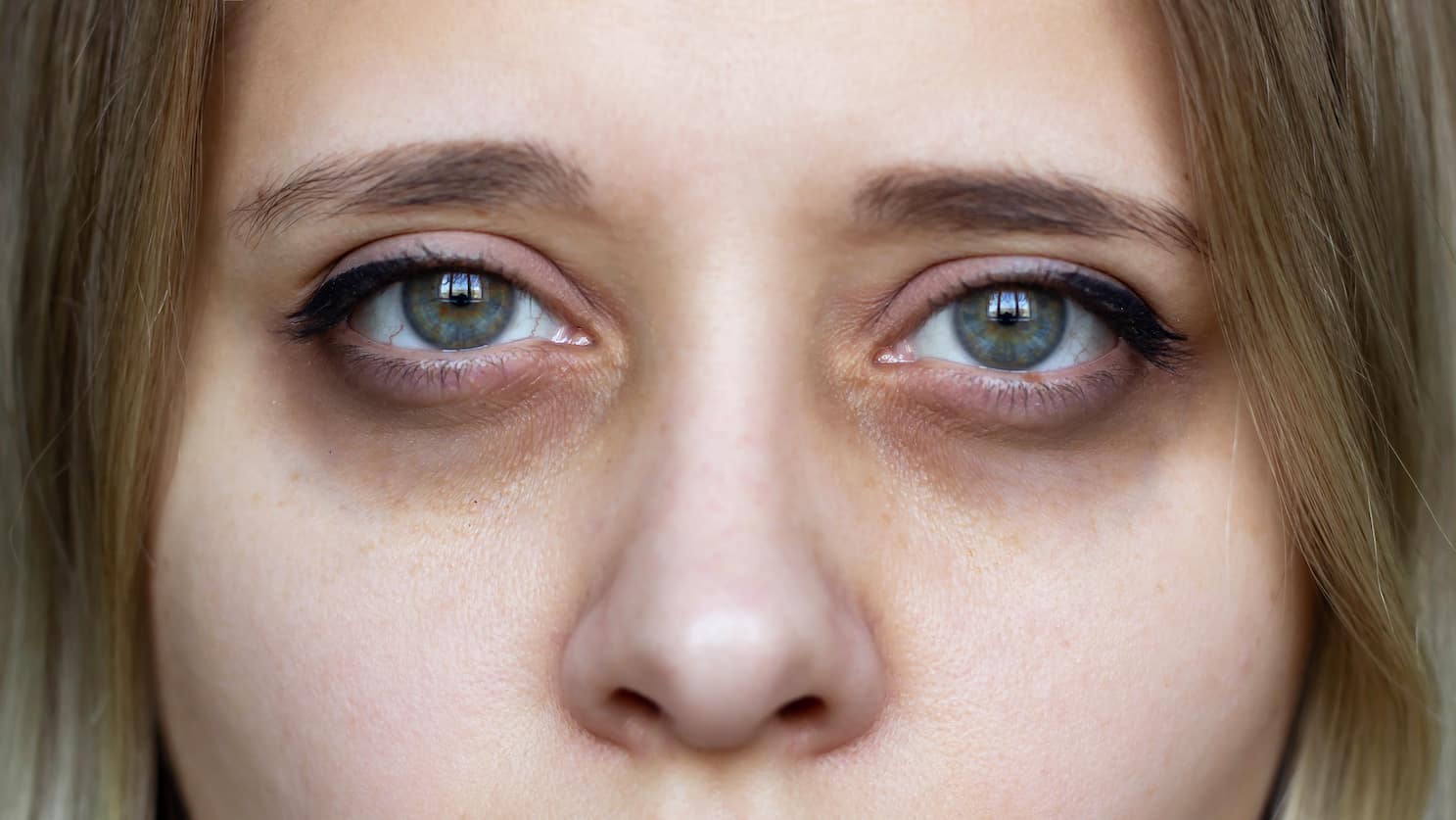
What Causes Dark Circles Under Eyes?
There isn't always one answer. Different people can develop under-eye darkness for different reasons, and sometimes several factors can occur together.
Lack of Sleep
Not getting enough quality sleep can make the skin look dull and tired. It may also make the blood vessels beneath the naturally thin under-eye skin more visible.
However, if your dark circles remain even after improving your sleep, there may be another underlying cause.
Genetics
Look around your family. Do your parents or siblings also have noticeable under-eye darkness?
Genetics can influence skin thickness, pigmentation, facial structure, and the visibility of blood vessels. For some people, dark circles under eyes can therefore be a long-standing concern.
Pigmentation
Excess melanin around the eyes can create brown or darker-looking skin.
Sun exposure, frequent eye rubbing, irritation, and post-inflammatory pigmentation may contribute to under-eye pigmentation.
Ageing
As we age, collagen and natural facial volume gradually decrease. The skin beneath the eyes may become thinner, while hollowness can create shadows that make the area appear darker.
Allergies
Allergies and nasal congestion can contribute to puffiness and darker-looking skin around the eyes. Frequent rubbing due to itching can further irritate the delicate skin.
Eye Strain
Long hours on phones, laptops, and other digital screens can leave your eyes looking tired. Although screen time isn't always the direct cause of dark circles, eye strain and fatigue may make existing darkness appear more noticeable.
Dehydration
When you're dehydrated, your skin may appear dull and the under-eye area may look more sunken or tired.
Understanding these reasons for dark circles under eyes can help you decide whether lifestyle changes are enough or whether professional evaluation may be useful.
How to Remove Dark Circles Under Eyes at Home
If you're wondering how to remove dark circles under eyes naturally, start with simple habits that support your overall skin health.
Get Consistent Sleep
Aim for a regular sleep schedule rather than trying to catch up on sleep occasionally.
Stay Hydrated
Drink enough water throughout the day to support healthy-looking skin.
Protect Your Skin From the Sun
Sun exposure can worsen pigmentation. Use suitable sun protection and avoid prolonged exposure whenever possible.
Avoid Rubbing Your Eyes
Frequent rubbing can irritate the delicate under-eye skin and may worsen pigmentation over time.
Take Screen Breaks
If you're working on a laptop or spending hours on your phone, take regular breaks to reduce eye strain.
Manage Stress
Stress can affect your sleep and overall appearance. Finding healthy ways to manage daily stress can support healthier-looking skin.
Follow a Gentle Skincare Routine
The skin around your eyes is delicate. Avoid harsh scrubbing and choose skincare products that are appropriate for the under-eye area.
Do Under Eye Patches for Dark Circles Really Work?
You've probably seen under eye patches for dark circles everywhere—from skincare stores to social media.
But can they actually remove dark circles?
Under-eye patches may temporarily improve the appearance of dryness, puffiness, or tired-looking skin by providing hydration and a cooling effect.
However, they may not address deeper causes such as:
- Genetic pigmentation
- Persistent pigmentation
- Under-eye hollowness
- Age-related volume loss
- Visible blood vessels
So, while under-eye patches can be a useful addition to your skincare routine, they shouldn't be expected to permanently remove every type of dark circle.
When Homecare May Not Be Enough
What if you've tried better sleep, hydration, skincare, and even under eye patches for dark circles, but the darkness is still there?
That's when it may be worth looking beyond lifestyle factors.
Persistent dark circles under eyes may be associated with pigmentation, vascular visibility, allergies, genetics, ageing, or structural changes beneath the eyes.
In such cases, repeatedly switching between creams and home remedies may not address the actual cause.
A professional skin assessment can help determine what type of under-eye concern you're dealing with and whether a targeted treatment may be appropriate.
Can Dark Circles Under Eyes Be Removed Permanently?
If you're searching for how to remove dark circles under eyes permanently, it's important to know that there isn't one permanent solution for every type of dark circle.
The possibility of long-term improvement depends on what causes your dark circles in the first place. Pigmentation, visible blood vessels, genetics, ageing, and under-eye hollowness can all create a darker appearance, but they may require different approaches.
For example, mild darkness related to fatigue or dehydration may improve with better sleep, hydration, and lifestyle changes. Pigmentation-related concerns may benefit from targeted skincare or professional treatments, while structural dark circles caused by under-eye hollowness may require a different approach.
Even after professional treatment, maintaining good skincare habits and protecting the delicate under-eye area from sun exposure can help support longer-lasting results.
The goal isn't simply to make dark circles disappear temporarily, but to identify the underlying cause and choose an approach that addresses the specific concern.
Dark Circles Under Eyes Treatment at VCare
At VCare, the approach to dark circles under eyes treatment depends on the underlying cause.
Not every dark circle needs the same treatment. Pigmentation-related darkness and hollow under-eyes, for example, require different approaches.
ArgiPeel for Pigmented Dark Circles
If pigmentation is making your under-eye area look darker, ArgiPeel may be considered as part of your treatment plan.
ArgiPeel is a specialised treatment designed for the delicate under-eye area. It gently exfoliates pigmented skin cells while supporting a brighter and more even-looking under-eye appearance.
Over time, it can help improve under-eye pigmentation, dullness, and uneven tone, helping the eyes look fresher and more rejuvenated.
Dermal Fillers for Hollow Under-Eyes
Sometimes, the darkness you see isn't actually pigmentation.
Look closely at your under-eye area. Do you notice a hollow or sunken appearance?
Under-eye hollowness can create shadows that make the area appear darker even when the skin itself isn't heavily pigmented.
Dermal fillers can help restore volume in the tear-trough region, creating a smoother transition between the lower eyelid and cheek.
This approach may be considered for structural dark circles, tear-trough hollowness, and age-related volume loss following professional assessment.
The right treatment depends on the cause, your skin condition, and your individual under-eye concerns.
How to Prevent Dark Circles Under Eyes
You can't always prevent dark circles under eyes, particularly when genetics or natural facial structure plays a role.
However, some habits may help reduce contributing factors.
If you're wondering how to prevent dark circles under eyes, focus on these basics:
- Get adequate sleep: Maintain a consistent sleep routine.
- Protect your skin: Use appropriate sun protection to help prevent pigmentation.
- Stay hydrated: Drink sufficient water throughout the day.
- Don't rub your eyes: Minimise irritation around the delicate eye area.
- Manage allergies: If allergies are contributing to puffiness or rubbing, seek appropriate medical advice.
- Take screen breaks: Give your eyes regular rest during prolonged screen use.
- Maintain a healthy lifestyle: A balanced diet, regular activity, and stress management can support overall skin health.
When Should You Consult a Skin Expert?
Consider professional advice if your dark circles under eyes:
- Persist despite lifestyle changes
- Become darker over time
- Are accompanied by noticeable hollowness
- Are associated with persistent pigmentation
- Don't improve with your regular skincare routine
- Are affecting your confidence
A skin expert can assess whether the concern is mainly pigmentation, structural shadowing, vascular visibility, or a combination of factors.
Final Thoughts
Dark circles under eyes aren't always a sign that you need more sleep.
They can be influenced by genetics, pigmentation, ageing, allergies, dehydration, lifestyle habits, and under-eye structure.
So, if you're searching for how to remove dark circles under eyes permanently, don't start by trying every cream or remedy you find online. Start by understanding the cause.
Simple lifestyle changes and suitable skincare may help with mild concerns, while persistent pigmentation or structural dark circles may benefit from professional dark circles under eyes treatment.
Understand the cause. Choose the right approach. Give your skin consistent care.
If your dark circles continue to bother you, a professional assessment at VCare can help you understand the most suitable options.
FAQs
1. Can dark circles under eyes go away naturally?
Mild dark circles caused by poor sleep, dehydration, or lifestyle factors may improve with healthy habits. However, genetic pigmentation or under-eye hollowness may require professional treatment.
2. Why do I still have dark circles under eyes even after sleeping well?
Lack of sleep is only one possible cause. Genetics, pigmentation, allergies, ageing, visible blood vessels, and under-eye hollowness can also contribute to persistent dark circles.
3. How to remove dark circles under eyes permanently?
There is no single permanent solution for every type of dark circle. The most suitable approach depends on whether the concern is related to pigmentation, vascular visibility, ageing, or under-eye hollowness.
4. Can dehydration make dark circles under eyes more noticeable?
Yes. Dehydration can make the skin appear dull and the under-eye area look more tired or sunken. Staying adequately hydrated can support healthier-looking skin, although it may not resolve persistent dark circles.
5. Do under eye patches for dark circles really work?
Under-eye patches may temporarily improve dryness, puffiness, and tired-looking skin by providing hydration and a cooling effect. However, they may not address deeper pigmentation, genetic dark circles, or structural hollowness.
6. Can skincare products help reduce dark circles?
Suitable skincare may help improve mild pigmentation, dryness, and overall under-eye skin quality. However, skincare alone may have limited results when dark circles are caused by structural changes, genetics, or significant pigmentation.
7. What is the best dark circles under eyes treatment?
The best treatment depends on the underlying cause and the condition of your under-eye skin. Pigmentation-related dark circles may require a different approach from hollow or shadow-related dark circles.
8. When should I consult a skin expert for dark circles?
Consider professional advice if your dark circles persist despite adequate sleep, hydration, and skincare. A skin expert can assess the under-eye area and help identify the factors contributing to the darkness before recommending suitable treatment.



 info@vcaretrichology.com
 +91 709 2525 252
 View All Locations


