

Types of Dandruff: Which Type Do You Have & How to Treat It?
Published on 2026-11-02 | By Admin
Why Does Dandruff Keep Coming Back?
You wash your hair, the flakes disappear, and everything seems fine. But a few days later, the itching returns, and those white flakes are back on your scalp and shoulders. If this sounds familiar, finding the right dandruff treatment starts with understanding why those flakes keep coming back.
Dandruff is a common scalp concern that can cause persistent flaking, itching, and irritation. But here's something worth knowing: not all scalp flaking has the same cause, and not every type of dandruff responds to the same treatment.
Understanding the causes of dandruff and identifying the factors affecting your scalp can help you choose an appropriate treatment and manage recurring flare-ups.
What Is Dandruff?
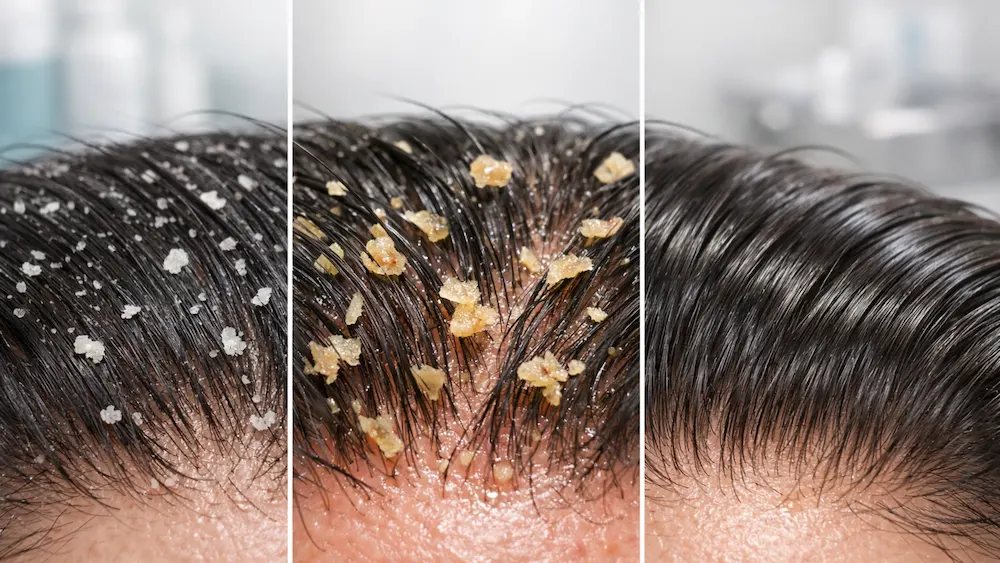
Dandruff is a scalp condition that causes excessive shedding of skin cells, appearing as white or yellowish flakes.
It is commonly associated with Malassezia, a yeast naturally present on the scalp. In some individuals, the scalp reacts to this yeast and its activity, leading to irritation, itching, and increased flaking.
Although dandruff is manageable, it may return without appropriate scalp care.
What Are the Different Types of Dandruff?
Dandruff is often described based on the appearance of flakes and the condition of the scalp.
1. Dry Dandruff
Dry dandruff commonly refers to small, white, powdery flakes associated with a dry or irritated scalp.
Possible contributing factors include:
- Cold weather and low humidity
- Harsh shampoos
- Frequent washing with hot water
- Scalp dryness and irritation
However, a dry, flaky scalp does not always indicate dandruff. Other skin conditions may produce similar symptoms.
2. Oily Dandruff
Oily dandruff is associated with excess scalp oil and may occur alongside seborrheic dermatitis.
Common signs include:
- Yellowish, greasy flakes
- Flakes sticking to the scalp
- Persistent itching
- Redness and irritation
- Oily or scaly patches
This condition may require targeted treatment to manage yeast activity and scalp inflammation.
3. Fungal Dandruff
Have you ever wondered why dandruff keeps returning despite regular hair washing?
One contributing factor may be Malassezia, a yeast that naturally lives on the scalp and uses skin oils.
In susceptible individuals, its activity can trigger inflammation and increased skin cell shedding.
The term fungal dandruff commonly describes dandruff associated with Malassezia. It should not be confused with scalp ringworm, which is a separate fungal infection.
What Are the Main Causes of Dandruff?
Dandruff isn't simply caused by poor scalp hygiene. Several factors can influence its development.
Understanding the reasons for dandruff can help you manage contributing factors.
1. Malassezia Yeast Activity
Some individuals develop scalp irritation when Malassezia breaks down natural scalp oils, contributing to itching and flaking.
2. Excess Sebum Production
Excess scalp oil can contribute to greasy flakes and conditions such as seborrheic dermatitis.
3. Weather Changes and Dryness
Cold weather, low humidity, and harsh cleansing products may cause scalp dryness and flaking.
4. Hair Care Product Sensitivity
Certain shampoos, hair dyes, and styling products may irritate the scalp, leading to itching, redness, or flaking.
5. Irregular Scalp Cleansing
Infrequent washing can allow oil, dead skin cells, and product residue to accumulate, making dandruff more noticeable.
6. Stress and Other Scalp Conditions
Stress may aggravate dandruff in some individuals. Psoriasis, eczema, and contact dermatitis can also cause similar symptoms.
What Are the Common Symptoms of Dandruff?
Dandruff symptoms vary depending on scalp condition and severity.
Common signs include:
- White or yellow flakes
- Persistent scalp itching
- Dryness or excess oiliness
- Redness and irritation
- Greasy or scaly patches
- Flaking around the eyebrows, ears, or beard
Persistent redness, thick scales, or painful patches may require professional assessment.
Can Dandruff Cause Hair Fall?
Dandruff does not usually cause permanent hair loss. However, persistent inflammation, itching, and frequent scratching may contribute to temporary hair shedding or breakage.
If you experience excessive hair fall alongside dandruff, both concerns should be assessed.
Genetics, hormonal changes, nutritional deficiencies, and other scalp conditions may also contribute to hair fall.
How to Treat Dandruff Effectively
Wondering how to treat dandruff when regular shampoos don't seem to help?
The right approach depends on whether your symptoms are caused by dandruff, seborrheic dermatitis, scalp dryness, or another condition.
1. Use Medicated Anti-Dandruff Shampoos
Shampoos containing ingredients such as ketoconazole or selenium sulfide may help control dandruff and associated yeast activity.
2. Maintain Regular Scalp Cleansing
Wash your scalp according to its oiliness and hair type. Avoid harsh scrubbing and products that repeatedly cause irritation.
3. Manage Scalp Inflammation
Persistent itching or redness may require dermatologist-recommended topical treatment.
4. Seek Professional Assessment
If dandruff continues despite appropriate shampoo use, a scalp examination can help identify possible contributing factors.
The right hair treatment for dandruff should address your scalp condition, not just the visible flakes.
How to Get Rid of Dandruff Naturally?
If you're searching for how to get rid of dandruff naturally, simple scalp care habits may help manage mild flaking and irritation.
- Cleanse regularly: Use a gentle shampoo suitable for your scalp.
- Avoid harsh products: Limit products that trigger irritation.
- Use lukewarm water: Very hot water may worsen dryness.
- Manage stress: Stress management may help reduce flare-ups in some individuals.
- Eat a balanced diet: Proper nutrition supports overall skin and hair health.
- Avoid scratching: Excessive scratching may worsen scalp irritation.
Home remedies such as aloe vera and tea tree oil are commonly discussed, but evidence for their effectiveness is limited, and they may cause irritation.
Persistent dandruff may require medicated treatment.
When Should You Consult a Dermatologist?
Consider professional scalp assessment if you experience:
- Dandruff persisting despite treatment
- Severe or frequent itching
- Redness, swelling, or painful patches
- Thick or widespread scalp scales
- Excessive hair fall or patchy hair loss
- Frequent dandruff recurrence
A dermatologist can help distinguish dandruff from other scalp conditions requiring different treatments.
Dandruff Treatment at VCare Hair & Skin Clinics
At VCare, hair dandruff treatment begins with understanding your scalp condition rather than recommending the same treatment for everyone.
Our specialists assess your symptoms, scalp oiliness, flaking patterns, and medical history before developing a personalised care plan.
Step 1: Detailed Scalp Consultation
Our specialists review your symptoms, previous treatments, and possible factors contributing to recurring dandruff.
Step 2: Scalp Assessment
A detailed scalp examination helps assess flaking, oiliness, irritation, and other visible scalp concerns.
Introducing Differential Scalp Analysis (DSA)
Stop Guessing. Start Understanding Your Scalp.
Why does dandruff keep returning despite trying different shampoos and treatments?
At VCare, we go beyond visible flakes with Differential Scalp Analysis (DSA), an advanced diagnostic approach designed to help assess fungal factors contributing to persistent dandruff.
By examining your scalp condition and investigating possible fungal involvement, our specialists can recommend a more targeted, personalised dandruff treatment plan.
Step 3: Personalised Treatment Planning
Based on your assessment, our specialists recommend suitable scalp treatments, topical products, and home care practices.
Step 4: Follow-Up and Maintenance
Regular scalp care and treatment adjustments may help manage recurring dandruff and maintain improvement.
Dandruff Treatment Options Available at VCare
VCare offers personalised scalp care options depending on your symptoms and scalp condition.
Hair Rejuvenation Therapy
VCare's Hair Rejuvenation Therapy supports scalp cleansing, helps manage excess oiliness and visible flaking, and promotes overall scalp comfort.
RTK Scalp Therapy Kit
The RTK Scalp Therapy Kit supports scalp cleansing, hydration, and comfort as part of a structured scalp care routine.
Topical Treatments
Depending on your condition, specialists may recommend suitable topical products or medicated treatments to help manage itching, flaking, and inflammation.
Lifestyle and Home Care Guidance
Our specialists provide guidance on scalp cleansing, product selection, and maintenance routines to support ongoing dandruff management.
Can You Prevent Dandruff from Coming Back?
Dandruff can recur, especially in individuals prone to seborrheic dermatitis. However, consistent scalp care may help reduce flare-ups.
A few habits can make a difference:
- Follow your recommended anti-dandruff shampoo routine.
- Avoid products that irritate your scalp.
- Maintain appropriate washing frequency.
- Manage stress where possible.
- Continue maintenance treatment if advised.
- Seek reassessment for recurring symptoms.
Remember: Managing dandruff isn't just about removing flakes. It's about understanding and caring for your scalp.
Conclusion: Healthy Scalp Care Starts with Understanding the Cause
Dandruff may seem like a minor concern, but recurring itching and flaking can have several contributing factors.
From excess scalp oil and Malassezia activity to dryness and product sensitivity, understanding your scalp condition is essential for choosing appropriate treatment.
At VCare Hair & Skin Clinics, our specialists combine detailed scalp assessment, Differential Scalp Analysis when appropriate, and personalised treatment planning to support better dandruff management.
Tired of recurring dandruff and scalp itching?
Book your dandruff consultation at your nearest VCare Hair & Skin Clinic.
Frequently Asked Questions
1. What is dandruff?
Dandruff is a common scalp condition causing white or yellow flakes, often accompanied by itching and irritation.
2. What are the main reasons for dandruff?
Common factors include Malassezia yeast activity, excess scalp oil, seborrheic dermatitis, and individual scalp sensitivity.
3. What are the different types of dandruff?
Dandruff is commonly described as dry or oily based on its appearance. However, other scalp conditions can produce similar flakes.
4. What is fungal dandruff?
Fungal dandruff refers to dandruff associated with Malassezia, a naturally occurring scalp yeast that may contribute to inflammation and flaking.
5. Does dandruff cause hair fall?
Dandruff does not usually cause permanent hair loss, but persistent inflammation and scratching may contribute to temporary shedding or breakage.
6. How to treat dandruff at home?
Use an appropriate anti-dandruff shampoo, maintain regular scalp cleansing, and avoid irritating products.
7. How to get rid of dandruff naturally?
Gentle cleansing, avoiding harsh products, and maintaining scalp hygiene

 info@vcaretrichology.com
 +91 709 2525 252
 View All Locations


