

Scalp Disorders: Common Types, Symptoms, Causes & Scalp Care Tips
Published on 2026-10-15 | By Admin
Your scalp is more than just the surface where your hair grows. It contains hair follicles, oil glands, and skin that can be affected by infections, inflammation, allergies, hormonal changes, and other factors. When the scalp becomes unhealthy, you may notice itching, flaking, redness, bumps, excessive oiliness, or even hair shedding.
These symptoms can have different causes, and not every flaky or itchy scalp is simply dandruff. Conditions such as seborrheic dermatitis, scalp psoriasis, folliculitis, tinea capitis, alopecia areata, and contact dermatitis can also affect the scalp and may require different approaches to treatment.
Understanding the common scalp disorders, their symptoms, causes, and treatment options can help you recognise when your scalp needs more than routine hair care.
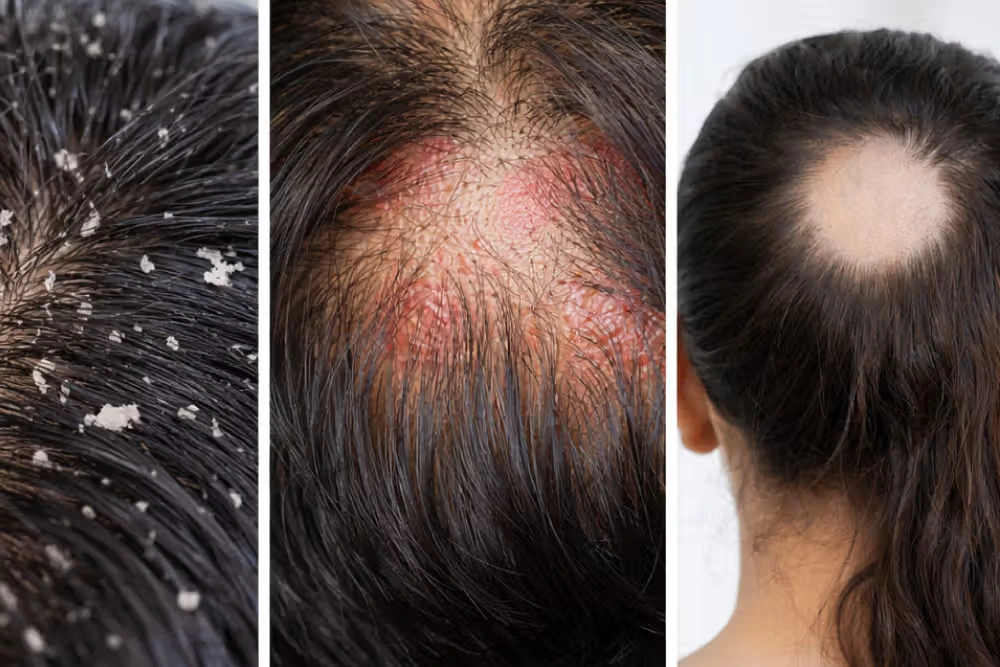
What Are Scalp Disorders?
Scalp disorders are conditions that affect the skin of the scalp, hair follicles, or the surrounding structures. They can range from temporary irritation and mild flaking to chronic inflammatory conditions and infections.
Some scalp conditions are easy to manage with appropriate scalp care, while others may require medical treatment. The important thing is to identify the underlying cause rather than treating every scalp problem in the same way.
Why Does Scalp Health Matter?
A healthy scalp provides a suitable environment for normal hair growth. When the scalp is persistently inflamed, infected, excessively oily, or irritated, the hair follicles may also be affected.
This doesn't mean every scalp disorder causes permanent hair loss. However, prolonged inflammation, infection, or repeated scratching can contribute to increased shedding or temporary hair loss in some conditions.
Healthy hair starts with a healthy scalp, which is why persistent scalp symptoms should not be ignored.
Common Symptoms of Scalp Disorders
Scalp disorders can look and feel different depending on the underlying condition. Some people may experience only one symptom, while others may notice several at the same time.
Common signs include:
Itching: A persistent itchy scalp can occur with dandruff, seborrheic dermatitis, psoriasis, infections, or irritation.
Flaking: White, dry, or greasy flakes may be associated with dandruff or other scalp conditions.
Redness: Inflammation can make parts of the scalp appear red or irritated.
Pain or tenderness: Tenderness may occur with inflamed hair follicles or certain infections.
Scalp bumps: Small red bumps or pustules can be a sign of folliculitis.
Excess oil: An oily scalp may be associated with increased sebum production and conditions such as seborrheic dermatitis.
Dryness: A dry scalp may feel tight, rough, or uncomfortable and may produce fine flakes.
Hair shedding: Some scalp conditions can cause temporary shedding, particularly when inflammation or infection affects the hair follicles.
One symptom alone does not always point to a specific condition. For example, itching and flakes can occur with both dandruff and scalp psoriasis, which is why persistent symptoms may need professional evaluation.
What Causes Scalp Disorders?
There isn't one universal cause of scalp problems. Different scalp conditions can develop due to changes in oil production, infections, inflammation, immune responses, allergies, or environmental factors.
Fungal Overgrowth
Certain fungi naturally live on the skin without causing problems. However, an imbalance or infection involving fungi can contribute to conditions such as dandruff, seborrheic dermatitis, or tinea capitis (scalp ringworm).
Excess Oil Production
The scalp contains sebaceous glands that produce sebum, an oily substance that helps protect the skin. Excessive oil can contribute to a greasy scalp and may play a role in conditions associated with scalp flaking and inflammation.
Dry Skin
A dry scalp can develop when the skin loses too much moisture or becomes irritated. Cold weather, excessive washing, hot water, and harsh hair products may contribute to scalp dryness in some people.
Autoimmune Conditions
Some scalp disorders are linked to the immune system. Scalp psoriasis is an example of an inflammatory condition in which the immune system plays a role. Alopecia areata is another immune-related condition that can affect hair follicles and cause patchy hair loss.
Bacterial Infections
Bacteria can infect hair follicles and lead to scalp folliculitis, which may appear as small red bumps or pus-filled spots.
Allergic Reactions
Hair dyes, shampoos, conditioners, styling products, fragrances, and other products can irritate the scalp or trigger an allergic reaction. This may result in redness, itching, burning, or scaling.
Hormonal Changes
Hormonal changes can influence oil production and may contribute to changes in scalp condition. Hormonal fluctuations can also affect hair growth and shedding.
Stress and Lifestyle Factors
Stress does not cause every scalp disorder, but it can influence certain inflammatory conditions and may contribute to changes in hair shedding. Sleep, diet, and general lifestyle can also play a role in overall scalp health.
Environmental Factors
Heat, humidity, pollution, excessive sun exposure, and changes in weather can affect the scalp. For some people, these environmental factors may increase oiliness, dryness, irritation, or flaking.
Types of Scalp Disorders
Scalp conditions can have different causes and symptoms, so identifying the specific condition is important for choosing the right treatment.
Dandruff
Dandruff is one of the most common scalp problems, causing visible flakes and itching. It can be associated with excess oil, yeast overgrowth, environmental changes, stress, and certain hair products. Mild dandruff may improve with appropriate scalp care and medicated shampoos, while persistent flaking may require professional evaluation.
For more information, read our Dandruff Treatment Guide.
Seborrheic Dermatitis
Seborrheic dermatitis is a chronic inflammatory condition that can cause redness, itching, and greasy or yellowish flakes. It commonly affects oil-rich areas such as the scalp, eyebrows, ears, and face. Unlike mild dandruff, it may involve more noticeable inflammation and often requires ongoing management.
Scalp Psoriasis
Scalp psoriasis can cause thick, well-defined patches with silvery-white scales and intense itching. It may extend beyond the hairline and can sometimes be associated with temporary hair shedding. Since it can resemble severe dandruff, proper diagnosis is important.
Read our Scalp Psoriasis vs Dandruff guide to understand the difference.
Scalp Folliculitis
Scalp folliculitis occurs when hair follicles become inflamed, causing small red or pus-filled bumps, itching, and tenderness. It may be linked to bacterial or other microbial involvement. Persistent or recurring folliculitis should be assessed to reduce the risk of complications such as scarring.
Tinea Capitis (Scalp Ringworm)
Tinea capitis is a fungal infection affecting the scalp and hair shafts. It can cause itching, scaling, broken hairs, and patches of hair loss. Because it can spread through close contact or shared personal items, it requires appropriate medical treatment.
Alopecia Areata
Alopecia areata is an autoimmune condition that causes sudden, patchy hair loss. It typically appears as smooth, round or oval areas of hair loss without significant scaling or infection. A professional assessment can help confirm the condition and guide management.
Contact Dermatitis
Contact dermatitis occurs when the scalp reacts to an irritating or allergenic substance, such as hair dyes, shampoos, fragrances, or styling products. It may cause itching, redness, burning, dryness, or scaling. Identifying and avoiding the trigger is an important part of managing the condition.
How Are Scalp Disorders Diagnosed?
Scalp disorders can have similar symptoms, so identifying the underlying cause is important before starting treatment. A specialist begins with a detailed examination of the scalp and hair, along with your symptoms, medical history, haircare routine, and pattern of hair shedding or loss.
At VCare, scalp assessment may include advanced diagnostic methods based on your specific concerns:
TrichoScan: Helps assess hair density and other hair-related parameters to understand changes in hair growth and shedding.
Hair Mineral Analysis: Helps assess mineral levels when nutritional factors may be relevant to your hair and scalp concerns.
Differential Scalp Analysis (DSA): Used for suitable dandruff concerns to help identify the exact dandruff-causing fungal species affecting your scalp.
These assessments help specialists look beyond visible symptoms such as flaking, itching, oiliness, or hair shedding and understand what may be contributing to the scalp concern.
The goal is not simply to manage the symptoms but to identify the underlying concern and create a treatment approach suited to your scalp and hair needs.
Daily Tips to Maintain a Healthy Scalp
Good scalp care doesn't have to be complicated. Consistent habits can help support your scalp and reduce unnecessary irritation.
Cleanse your scalp regularly: Choose a shampoo suitable for your scalp condition rather than simply your hair type.
Avoid harsh products: Strong fragrances, excessive chemicals, or products that irritate your scalp may worsen sensitivity.
Don't scratch: Scratching can damage the skin and increase irritation, particularly when the scalp is already inflamed.
Eat a balanced diet: Adequate nutrition supports normal hair and skin health.
Manage stress: Stress management, adequate sleep, and regular physical activity can support overall wellbeing.
Protect your scalp from excessive sun exposure: Consider appropriate protection when spending prolonged periods outdoors.
Pay attention to changes: Persistent itching, scaling, bumps, or increased shedding should not simply be dismissed as a routine scalp problem.
When Should You Consult a Hair Specialist?
An occasional itchy or flaky scalp may improve with simple care. However, persistent or worsening symptoms deserve professional attention.
Consider consulting a hair or scalp specialist if you experience:
- Hair loss or increased shedding lasting several weeks
- Persistent or severe itching
- Recurrent scalp bumps or pustules
- Bleeding or open areas on the scalp
- Thick or persistent scales
- Scalp pain or tenderness
- A spreading rash
- Sudden patches of hair loss
- Symptoms that don't improve with routine scalp care
Early assessment can help identify the underlying scalp condition and prevent you from repeatedly trying treatments that may not be suitable for your scalp.
Final Thoughts
Healthy Hair Starts With a Healthy Scalp
An itchy, flaky, oily, or irritated scalp may be more than a routine haircare concern. Conditions such as dandruff, seborrheic dermatitis, scalp psoriasis, folliculitis, infections, and autoimmune conditions can have similar symptoms but different underlying causes.
Understanding the cause is important for choosing the right approach to scalp care. If symptoms persist, worsen, or keep returning, consider seeking professional advice rather than frequently switching between products or home remedies. Proper diagnosis, suitable treatment, and consistent scalp care can help manage many scalp concerns and support overall hair and scalp health.
Frequently Asked Questions
What are the most common scalp disorders?
Common scalp disorders include dandruff, seborrheic dermatitis, scalp psoriasis, folliculitis, tinea capitis, alopecia areata, and contact dermatitis. Their causes and treatment approaches can vary.
Can scalp disorders cause hair loss?
Yes, some scalp disorders can contribute to hair loss or increased shedding. The extent depends on the underlying condition and its severity.
Are scalp disorders contagious?
Some are contagious, while others are not. Fungal infections like tinea capitis can spread, whereas psoriasis and alopecia areata are not contagious.
How can I tell if I have dandruff or psoriasis?
Dandruff typically causes flaking, while scalp psoriasis may cause thicker scales and well-defined patches. A professional examination can help distinguish between them.
What causes an itchy scalp?
An itchy scalp may be caused by dandruff, dryness, dermatitis, psoriasis, or infections. Persistent itching may require professional evaluation.
Can stress affect scalp health?
Yes, stress may aggravate certain scalp conditions and can be associated with increased hair shedding. Healthy lifestyle habits may help support scalp health.
How are scalp disorders diagnosed?
Diagnosis usually involves examining the scalp and reviewing medical history. Additional hair or scalp assessments may be recommended when required.


 info@vcaretrichology.com
 +91 709 2525 252
 View All Locations


