

Scalp Care Guide: How to Keep Your Scalp Healthy for Stronger Hair
Published on 2026-10-23 | By Admin
Hair care often gets all the attention—shampoos, conditioners, serums, oils and treatments. But there is one area that is easy to overlook: your scalp.
Your scalp is where your hair follicles are located, so maintaining a clean and balanced scalp is an important part of overall hair care. Sweat, oil, product buildup, pollution and everyday habits can affect how your scalp feels and how healthy your hair looks.
That is why scalp care is not just about dealing with dandruff or an oily scalp. It is about maintaining good scalp hygiene and creating a comfortable environment for healthy-looking hair.
So, how do you keep your scalp healthy? Let’s look at the everyday habits that can make a difference.
Why Scalp Care Matters
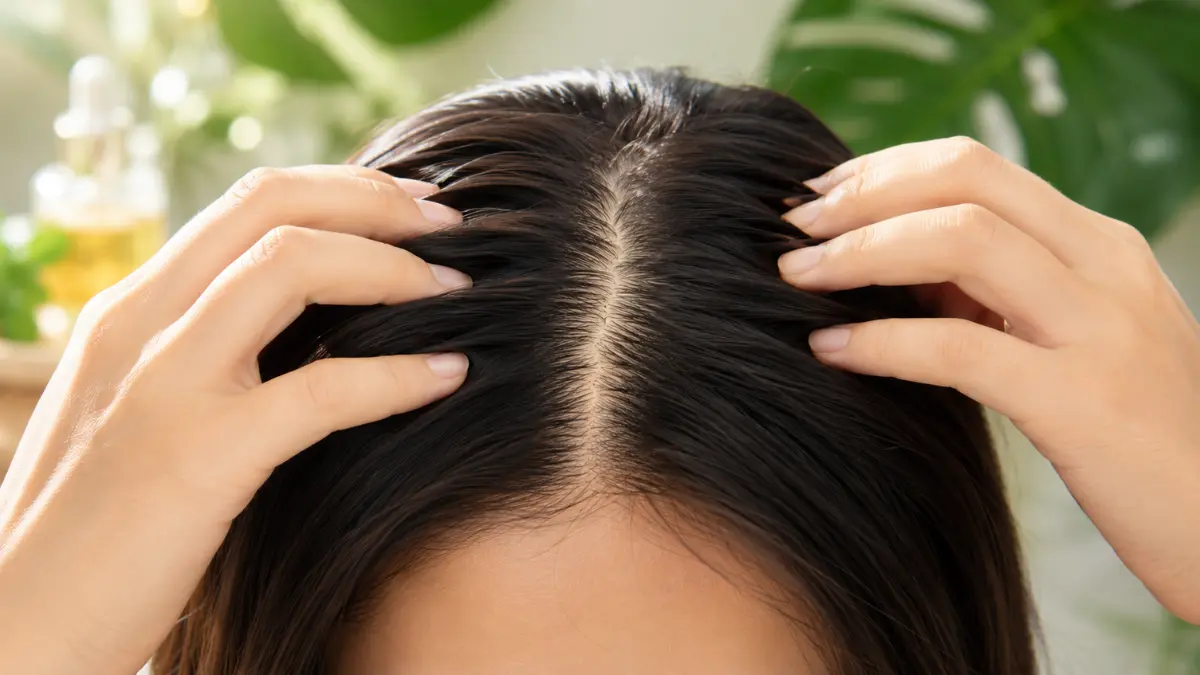
Think of your scalp as the foundation of your hair. Just as a plant needs healthy soil to grow well, your hair follicles need a healthy scalp environment.
A good scalp care routine helps remove excess oil, sweat, dead skin cells and product residue while keeping the scalp comfortable. It can also help you notice changes such as unusual itching, flaking, redness or increased hair shedding earlier.
However, healthy scalp care does not mean constantly washing, scrubbing or applying multiple products. The goal is to maintain a balance that suits your scalp type and everyday needs.
Healthy hair starts with a healthy scalp, but scalp care alone cannot prevent or treat every type of hair loss. If you are experiencing persistent scalp symptoms or significant hair fall, professional evaluation may be needed.
What Does a Healthy Scalp Look Like?
A healthy scalp does not necessarily look perfectly dry or completely free of natural oil. Your scalp naturally produces sebum, which helps maintain its protective barrier.
Some common signs of a healthy scalp include:
- Balanced oil production
- Minimal or occasional flaking
- No persistent itching or irritation
- Comfortable skin without significant redness
- Clean scalp without excessive product buildup
- Hair that appears healthy and well-maintained
Your scalp type can also change with weather, hormones, stress, hair products and your washing routine. So, your daily scalp care approach may need to change over time.
Daily Scalp Care Routine
A healthy scalp care routine can be simple. Focus on keeping your scalp clean, comfortable, and free from unnecessary buildup.
1. Cleanse Regularly
Wash according to your scalp type, oil production, and activity level. Oily scalps may need more frequent cleansing, while dry or sensitive scalps may need a gentler routine.
2. Choose the Right Shampoo
Pick a shampoo suited to your scalp rather than your hair type alone. If dandruff, itching, or irritation persists, consider professional guidance instead of repeatedly changing products.
3. Massage Gently
Use your fingertips while shampooing and avoid scratching with your nails. Keep the massage gentle to prevent irritation.
4. Dry Carefully
Gently towel-dry your hair without vigorous rubbing. If using a dryer, avoid prolonged exposure to high heat close to the scalp.
5. Brush Gently
Use a suitable comb or brush and avoid pulling through tangles. Be especially gentle when the hair is wet.
6. Exfoliate When Needed
Gentle scalp exfoliation may help with buildup, but it is not necessary for everyone. Avoid scrubbing if your scalp is sensitive, irritated or inflamed.
Common Everyday Habits That Can Harm Your Scalp
Sometimes, scalp problems are not caused by a lack of care but by habits that are repeated every day.
Skipping Hair Washes
Leaving sweat, oil and styling products on the scalp for too long can contribute to buildup and discomfort.
Excessive Heat Styling
Frequent use of high heat close to the scalp and hair can contribute to dryness and hair-shaft damage.
Product Buildup
Dry shampoo, styling products, oils and other products can accumulate if they are not properly cleansed from the scalp.
Wearing Tight Hairstyles
Frequently wearing very tight ponytails, buns or braids can place repeated tension on the hair.
Frequent Chemical Treatments
Repeated colouring, straightening or other chemical procedures can affect the hair shaft and may contribute to dryness or breakage.
Scratching Your Scalp
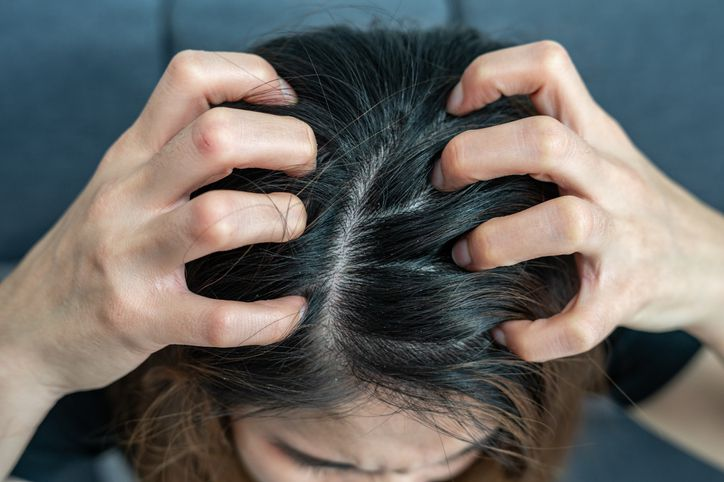
Persistent scratching can irritate the scalp and may worsen discomfort. If your scalp is constantly itchy, it is better to understand the reason rather than repeatedly scratching the area.
Using Harsh Shampoos
A cleanser that is too harsh for your scalp may leave it feeling dry, tight or irritated. Choosing products according to your scalp needs is an important part of scalp hygiene.
Professional Scalp Care at VCare
Sometimes, regular home care is not enough—especially when scalp concerns continue despite maintaining a consistent routine.
At VCare, scalp and hair concerns can be assessed before recommending a suitable treatment approach. Depending on the concern, professional scalp and hair assessments may include TrichoScan, Hair Mineral Analysis and Differential Scalp Analysis (DSA).
VCare also offers treatment options such as Clinical Hair Revive Therapy and Photo Bio Stimulation Hair Growth Therapy, depending on individual scalp and hair concerns.
The right approach depends on what is affecting your scalp and hair. Professional assessment can help determine whether you need routine scalp care, targeted treatment or further evaluation.
When Should You Seek Professional Help?
Not every itchy or flaky scalp requires a clinical treatment. But certain symptoms should not be ignored if they persist.
Consider consulting a hair and scalp specialist if you experience:
- Persistent itching
- Heavy or recurring flaking
- Redness or irritation
- Scalp pain or tenderness
- Excessive oiliness that does not improve
- Sudden or increased hair fall
- Noticeable hair thinning
Changes in scalp condition that continue despite routine care
If you want to understand these concerns in more detail, read our guide on [Scalp Disorders: Causes, Types, Symptoms & Treatments].
Scalp Care Do's & Don'ts
Do | Don’t |
Choose products according to your scalp type | Use the same products regardless of your scalp needs |
Wash your scalp regularly | Leave excessive sweat and buildup for long periods |
Massage gently | Scratch or scrub aggressively |
Dry your scalp and hair gently | Rub wet hair harshly with towel |
Maintain a balanced diet | Assume every case of hair fall is due to nutrition |
Protect your scalp from excessive heat | Frequently expose your scalp to high heat |
Seek professional help for persistent symptoms | Keep changing products without identifying the cause |
Conclusion
Scalp care is not about following a complicated routine. It is about understanding your scalp, keeping it clean and comfortable, and avoiding habits that can cause unnecessary irritation or buildup.
A healthy scalp provides a better environment for healthy-looking hair, but persistent scalp problems or hair loss may need more than routine home care. If you are noticing ongoing changes in your scalp or hair, a professional assessment can help identify the cause and guide you towards the right care.
Healthy hair starts with a healthy scalp—and consistent care starts with understanding what your scalp actually needs.
Frequently Asked Questions About Scalp Care
How do I take care of my scalp?
Keep your scalp clean, choose products suited to your scalp type, avoid excessive heat and harsh treatments, and maintain healthy lifestyle habits. If you experience persistent itching, flaking or hair fall, consider professional evaluation.
How do you care for an oily scalp?
An oily scalp may require more frequent cleansing with a suitable shampoo. Avoid applying excessive oils or heavy products directly to the scalp if they increase greasiness or buildup.
How often should I wash my scalp?
There is no single washing schedule for everyone. Washing frequency should depend on your scalp type, oil production, sweating, hair texture and lifestyle.
What are the signs of an unhealthy scalp?
Persistent itching, heavy flaking, redness, irritation, excessive oiliness, discomfort and sudden changes in hair shedding can indicate that your scalp needs closer attention.
What is the best thing to use on your scalp?
There is no single product that is best for every scalp. The right shampoo, conditioner or scalp product depends on whether your scalp is oily, dry, sensitive or prone to specific concerns.
Is scalp massage good for hair?
Gentle scalp massage can be incorporated into a regular scalp-care routine. However, it should not be considered a standalone treatment for hair loss.
Can I oil my scalp every day?
Daily oiling is not necessary for everyone. If your scalp is oily or prone to buildup, frequent oil application may make the scalp feel heavier or greasier.
Can coconut oil repair damaged hair?
Coconut oil may help reduce protein loss from the hair and improve some aspects of hair condition, but it cannot repair a damaged scalp or reverse every type of hair loss. Its suitability also depends on your hair and scalp needs.
Is exfoliating the scalp necessary?
Not necessarily. Some people may benefit from occasional gentle exfoliation, particularly when buildup is an issue. However, excessive or aggressive exfoliation can irritate the scalp.
Can stress affect scalp and hair health?
Ongoing stress can be associated with increased hair shedding in some people. Managing stress, getting adequate sleep and maintaining a balanced routine can support overall hair and scalp health.
Can poor scalp hygiene cause hair loss?
Poor scalp hygiene can contribute to buildup and scalp discomfort, but hair loss has many possible causes. Persistent hair loss should be evaluated rather than automatically attributed to scalp hygiene.
How can I keep my scalp healthy naturally?
Regular cleansing, gentle hair care, a balanced diet, adequate hydration, good sleep and avoiding excessive heat or tight hairstyles can all support scalp health.
Does dandruff mean my scalp is unhealthy?
Dandruff is a common scalp concern, but recurring or severe flaking may require closer assessment. If it persists despite appropriate scalp care, consult a specialist.
How can I improve my scalp health for better-looking hair?
Start with consistent scalp hygiene: cleanse appropriately, avoid excessive product buildup, protect your scalp from unnecessary heat and maintain healthy lifestyle habits. If you notice persistent scalp symptoms or hair thinning, professional assessment can help identify the underlying concern.



 info@vcaretrichology.com
 +91 709 2525 252
 View All Locations


