

Chemical Peel Treatment: Benefits, Types, Skin Concerns & Aftercare
Published on 2026-11-19 | By Admin
Tired of covering uneven skin tone, dullness, or lingering marks with makeup? Chemical peel treatment offers a targeted approach to addressing these concerns. When carefully selected for your skin type and needs, it can help improve skin texture, clarity, and overall appearance by encouraging the skin’s natural renewal process.
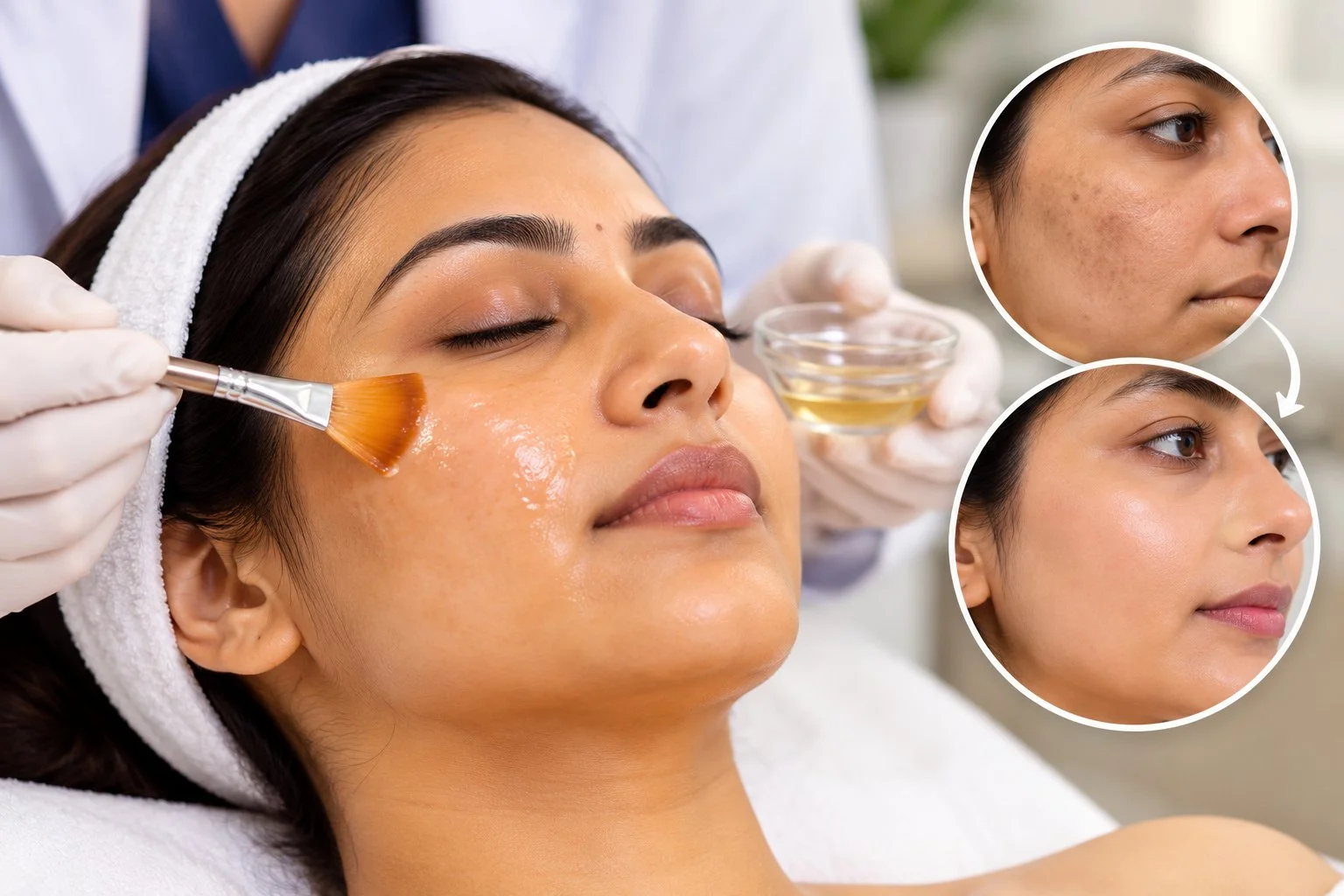
Chemical peels work by applying a carefully selected solution that removes the outer layers of dead or damaged skin cells. This prompts fresh skin to surface, often resulting in a smoother, brighter look over time. Results depend on the type of peel, your skin’s response, and consistent aftercare.
What Is a Chemical Peel Treatment?
A chemical peel is a professional skin resurfacing procedure. A solution containing specific acids is applied to the skin for a controlled period. This gently loosens and removes the outermost layer of dead skin cells, revealing fresher skin underneath.
The process supports healthier-looking skin because regular, controlled exfoliation helps clear congested pores, even out tone, and encourage cell turnover. Without it, dead cells can sit on the surface and contribute to dullness or rough texture.
Peels are generally grouped by depth:
- Light (superficial) peels work on the outermost layer and usually involve minimal downtime.
- Medium peels reach a bit deeper for more noticeable concerns.
- Deeper peels address stubborn issues but require longer recovery and close professional supervision.
The right depth is always matched to the individual’s skin and goals during a consultation.
How Does a Chemical Peel Work?
In simple terms, the peel solution breaks the bonds that hold dead skin cells together. Once those cells are removed, the skin starts renewing itself more efficiently. This can lead to smoother texture and clearer-looking skin as new cells come to the surface.
A typical professional session follows these steps:
- Consultation – Your skin is assessed and the most suitable peel is selected.
- Skin preparation – The face is cleansed thoroughly.
- Peel application – The solution is applied evenly for the prescribed time.
- Neutralisation (if required) – Some peels are stopped with a neutralising agent.
- Recovery – Aftercare instructions are given, and the skin begins its renewal process.
Most people notice gradual improvement rather than an overnight change. Consistency and proper care after the treatment play a large role in the outcome.
Types of Chemical Peels
Different peels use different active ingredients, so they suit different concerns and skin types. Here is a clear overview of commonly used options:
Glycolic Peel
Derived from sugarcane, glycolic acid is an alpha-hydroxy acid (AHA). It gently exfoliates the surface, helps clear pores, and supports smoother texture. It is often chosen for overall brightness and mild pigmentation concerns.
Lactic Peel
Sourced from milk, this is one of the gentler options. It provides mild exfoliation while helping the skin retain moisture. It is frequently preferred for dry or sensitive skin that needs hydration along with a soft glow.
Salicylic Peel
A beta-hydroxy acid (BHA) peel that is oil-soluble, so it can work inside the pores. It is commonly used for acne-prone or oily skin to help reduce congestion and surface roughness.
Yellow Peel
This multi-ingredient peel combines several actives that support controlled exfoliation and skin renewal. It is often selected for dullness, uneven tone, and mild photodamage when a progressive approach is preferred.
Argi Peel
Formulated with arginine, this peel is typically used around the eye area. It aims to improve the appearance of under-eye pigmentation and tired-looking skin with a relatively gentle action.
What Skin Concerns Can Chemical Peels Help Improve?
Chemical peels can support improvement in several common concerns when selected appropriately:
- Acne and mild congestion
- Post-acne marks
- Pigmentation and sun tan
- Uneven skin tone
- Dull or lacklustre skin
- Rough texture
- Fine lines and early signs of ageing
They are not a cure for every skin issue. Deeper scarring, severe melasma, or certain medical conditions may need a different or combined approach. A proper assessment helps clarify realistic expectations.
Who May Benefit from Chemical Peel Treatment?
People who often consider chemical peels include those with:
- Oily or acne-prone skin
- Visible pigmentation or post-inflammatory marks
- Sun-damaged or uneven-toned skin
- Mild texture irregularities or dullness
Suitability is never automatic. Skin type, sensitivity, medical history, and current medications all influence whether a peel is appropriate and which strength is safest. A professional evaluation is the most reliable way to decide.
Benefits of Chemical Peel Treatment
When performed correctly and followed by good aftercare, chemical peels can offer several practical benefits:
Improves skin texture
By removing the rough outer layer, the skin often feels smoother and looks more refined.
Promotes a more even skin tone
Regular, controlled renewal can help reduce the appearance of blotchiness and mild discolouration.
Helps reduce the appearance of pigmentation
Certain peels support gradual fading of surface pigmentation and sun-related marks.
Supports acne management
Peels that work within the pores can help keep congestion under control as part of a broader plan.
Enhances skin radiance
Fresh skin cells tend to reflect light better, giving a healthier-looking glow.
Encourages healthy skin renewal
The controlled stimulus of a peel supports the skin’s natural turnover cycle.
Results vary from person to person and improve most when treatments are spaced appropriately and aftercare is followed.
Before Your Chemical Peel
Preparation helps the skin respond better and reduces the chance of irritation:
- Limit excessive sun exposure in the days leading up to treatment.
- Tell your skin expert about any medications, recent procedures, or active skin conditions.
- Avoid strong exfoliants, retinoids, or harsh scrubs for the period advised.
- Follow any specific pre-treatment instructions given during the consultation.
Skipping these steps can affect both comfort and results.
Aftercare Following a Chemical Peel
Aftercare is as important as the treatment itself. The skin is more sensitive while it renews, so gentle care makes a noticeable difference:
- Apply broad-spectrum sunscreen every day and reapply as needed.
- Keep the skin well moisturised with the products recommended.
- Do not pick or peel flaking skin — let it shed naturally.
- Avoid strong active ingredients (such as high-strength acids or retinoids) until cleared by your practitioner.
- Stick to the professional aftercare routine provided.
Mild redness, tightness, or light flaking is common with many peels and usually settles within a few days. If anything feels unusual, contact the clinic promptly.
Conclusion
Chemical peel treatment can address a range of concerns — from dullness and uneven tone to mild acne marks and surface pigmentation — by supporting the skin’s natural renewal process. The key is choosing the right type and strength for the individual, which is best determined through a professional assessment.
If you are considering a peel, a consultation with a qualified skin expert is the most reliable next step. They can explain what is realistic for your skin and guide you toward the most appropriate approach.
At VCare Skin Clinic, dermatologists and trained professionals assess each person’s skin carefully before recommending any treatment. Book a consultation at your nearest clinic for a personalised evaluation and plan.
Frequently Asked Questions
What is a chemical peel treatment?
It is a professional procedure in which a controlled acid solution is applied to remove the outer layer of dead skin cells and encourage healthier skin renewal.
Which chemical peel is suitable for pigmentation?
Light to medium peels containing ingredients such as glycolic acid, or specific multi-action peels, are often considered. The exact choice depends on the depth and type of pigmentation and must be decided after assessment.
Can chemical peels help with acne?
Yes, certain peels (especially those with salicylic acid) can support acne management by helping clear pores and reduce surface congestion. They work best as part of a complete skincare plan.
Is chemical peel suitable for all skin types?
Not every peel suits every skin type. Sensitive, very dry, or highly reactive skin may need gentler options or alternative treatments. Professional evaluation is essential.
What should I expect after treatment?
Mild redness, tightness, or light flaking is common for a few days. The skin gradually reveals a fresher appearance as it recovers. Strict sun protection is required.
How important is aftercare?
Very important. Proper aftercare protects the renewed skin, supports healing, and helps maintain results. Skipping it can increase the risk of irritation or uneven recovery.
Can men undergo chemical peel treatment?
Yes. Chemical peels are suitable for both men and women when matched to individual skin needs.
How is the right peel selected?
Through a detailed consultation that considers skin type, concerns, medical history, lifestyle, and treatment goals. There is no universal “best” peel.
What is the chemical peel cost at VCare?
The cost depends on the type of peel, number of sessions and your skin concern. A consultation helps determine the right plan and expected cost.

 info@vcaretrichology.com
 +91 709 2525 252
 View All Locations


