

The Ultimate Guide to Transformative Skin Whitening Treatment
Published on 2026-10-01 | By Admin
You may notice pigmentation after sun exposure, tanning that doesn't seem to fade, acne marks, or skin that simply looks dull and uneven. Skin whitening treatment are often sought to address these concerns and improve the overall clarity and appearance of the skin.
The goal of professional skin treatments is not necessarily to change your natural skin colour. Instead, treatment may focus on concerns such as pigmentation, tanning, uneven skin tone, dullness, and visible marks while supporting a healthier-looking, more radiant complexion.
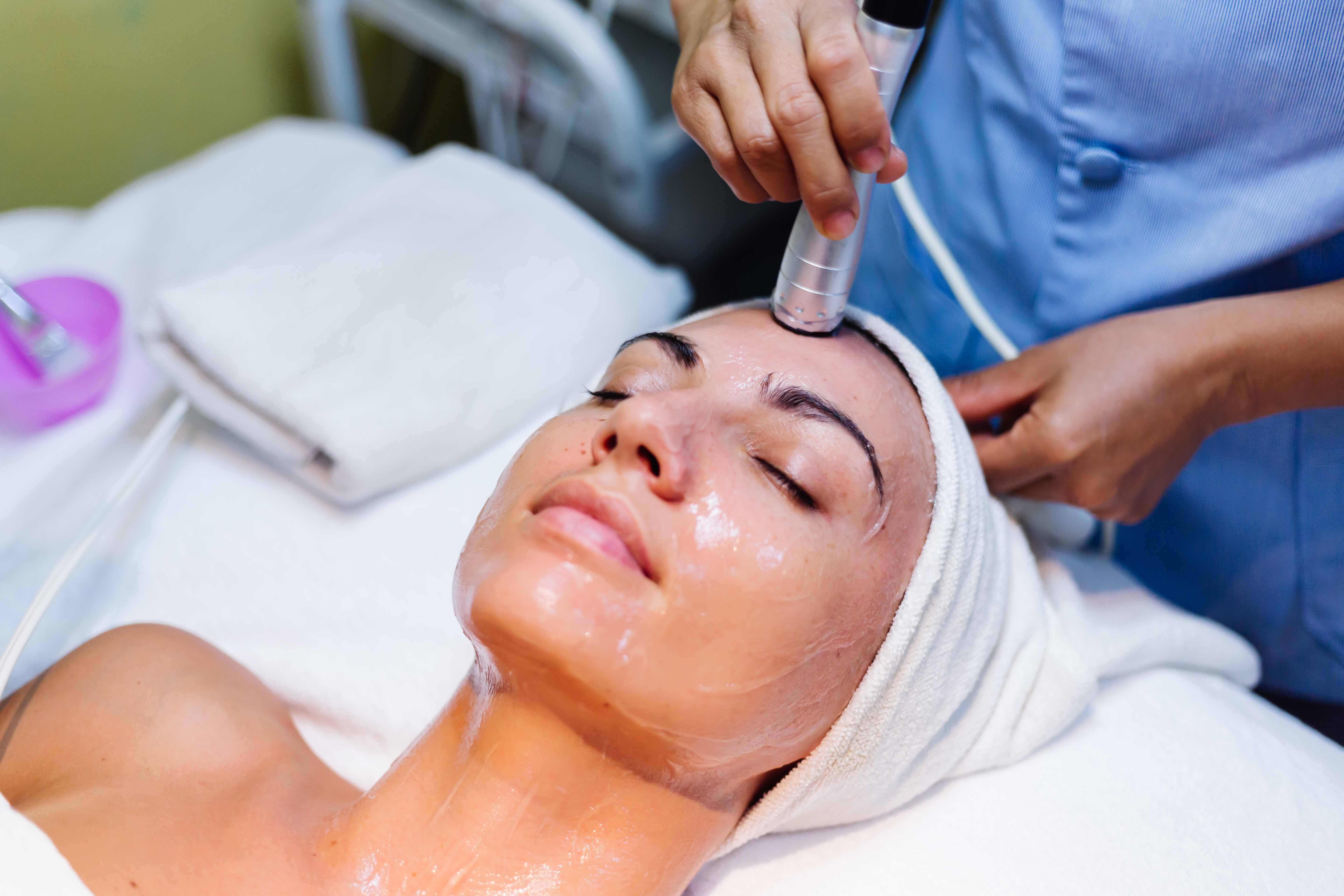
Since every person's skin is different, the right treatment depends on your skin type, concern, sensitivity, pigmentation, and treatment goals. Here's a closer look at some of the professional skin whitening treatments available at VCare and how they may be incorporated into a personalised skincare plan.
Key Takeaways
- Skin whitening treatment targets pigmentation, tanning, dullness and uneven tone, not your natural skin colour.
- Common options include chemical peels (Glycolic, Yellow, Lactic, and Argi) at VCare.
- A skin analysis is essential because tanning, acne marks and melasma need different approaches.
- Daily sunscreen is the most important step for maintaining results.
What Are Skin Whitening Treatments?
Skin whitening treatments are professional procedures designed to improve pigmentation, tanning, uneven skin tone, and dullness. Depending on the concern, they may include peels, energy-based procedures, or specialised skin therapies.
While skin brightening focuses on improving radiance and dullness, pigmentation treatments target concerns such as dark spots, acne marks, and melasma. The right treatment depends on your skin type, pigmentation, sensitivity, medical history, and individual goals.
Who Can Benefit from Skin Whitening Treatments?
Skin whitening treatments may be considered by people concerned about an uneven or dull-looking complexion. Common concerns include sun tan, pigmentation, melasma, acne marks, age spots, and uneven skin tone.
They may also be useful when pigmentation or tanning persists despite a consistent skincare routine and sun protection. However, not every concern requires the same treatment.
For example, pigmentation caused by acne may need a different approach from sun-induced tanning or melasma. A professional assessment can help identify the concern and determine whether a treatment is appropriate for your skin.
How Do Skin Experts Choose the Right Skin Whitening Treatment?
Choosing a professional skin whitening treatment is not simply about selecting the most advanced or popular procedure. Skin experts generally consider several factors before recommending a treatment.
Skin Type
Whether your skin is oily, dry, combination, or sensitive can influence treatment selection and how aggressively the skin should be treated.
Pigmentation Depth
Pigmentation can vary in appearance and depth. Understanding the type and pattern of pigmentation can help determine whether a peel, laser-based treatment, specialised therapy, or combination approach may be suitable.
Skin Sensitivity
Sensitive or reactive skin may require a more carefully controlled treatment plan, particularly when exfoliating or energy-based procedures are being considered.
Medical History
Previous treatments, allergies, medications, existing skin conditions, and other relevant medical factors may affect treatment suitability.
Treatment Goals
Your goal also matters. Someone looking to address tanning may have different treatment needs from someone concerned about melasma, acne marks, or age-related pigmentation.
This personalised approach helps make skin tone improvement more targeted rather than relying on the same treatment for every skin concern.
VCare's Powerful Skin Whitening Peels
Professional skin whitening peels use controlled exfoliation to improve the appearance of concerns such as dullness, uneven tone, pigmentation, and rough texture. The type of peel selected depends on the skin concern, sensitivity, and desired treatment outcome.
Glycolic Peel at VCare: Reveal a Smoother, Brighter Complexion
Glycolic acid is an Alpha Hydroxy Acid (AHA) that helps exfoliate the outer layers of the skin and support cell turnover. A professional glycolic peel may be considered when dullness, uneven tone, pigmentation, or rough texture are concerns.
It may help improve the appearance of:
- Dull, uneven skin tone
- Hyperpigmentation
- Rough texture
- Fine lines
The strength and suitability of the peel should be determined by a skin professional based on individual skin condition.
Yellow Peel at VCare: Support a More Even, Refreshed Complexion
Yellow Peel is a professional peel approach used for concerns such as pigmentation, uneven skin tone, dullness, and visible signs of ageing.
The formulation used may contain a combination of active ingredients selected to support exfoliation and pigmentation management.
It may be considered for:
- Hyperpigmentation and dark spots
- Uneven skin tone
- Dull-looking skin
- Fine lines and uneven texture
Lactic Peel at VCare: Smooth, Hydrated and Refreshed Skin
Lactic acid is an AHA that provides exfoliation while being generally considered a gentler option compared with some stronger exfoliating acids. A professional lactic peel may be considered for dry, dull, uneven, or sensitive skin when appropriate.
It may help address:
- Dry, dull-looking skin
- Uneven texture
- Mild pigmentation
- Lack of radiance
A skin assessment helps determine whether lactic acid is appropriate and how the treatment should be customised.
Argi Peel at VCare: Target Under-Eye Darkness
The skin around the eyes is thinner and more delicate than many other areas of the face, so under-eye pigmentation requires a carefully selected approach.
Argi Peel is designed specifically for the delicate under-eye area and may be considered for visible under-eye pigmentation and uneven tone.
The treatment may help improve the appearance of:
- Under-eye darkness
- Localised pigmentation
- Uneven under-eye tone
- Dull-looking under-eye skin
Because dark circles can have multiple causes, including pigmentation, vascular factors, shadows, and anatomy, a professional assessment is important before treatment.
Choosing the Right Treatment for Your Skin Concern
There is no single skin whitening treatment that is appropriate for every pigmentation or skin-tone concern. A treatment that may be suitable for tanning or surface dullness may not be the same approach used for melasma, acne marks, or under-eye pigmentation.
For example, professional peels may be considered when exfoliation and surface-level concerns are involved, while other specialised therapies may be recommended depending on the type and persistence of pigmentation.
This is why professional skin assessment is an important part of treatment planning. At VCare, the recommended approach can be based on your skin condition, pigmentation concern, sensitivity, and treatment goals rather than selecting a procedure solely because it is popular.
How to Maintain Brighter, Healthier-Looking Skin
Professional treatment is only one part of maintaining an even and healthier-looking complexion. Daily habits can have a significant influence on how your skin looks over time.
Consistent aftercare is key to long-term skin tone improvement.
Use Sunscreen Daily
Sun exposure can contribute to tanning and pigmentation. Use a broad-spectrum sunscreen as advised by your skin specialist and reapply when appropriate, particularly during prolonged outdoor exposure.
Follow a Gentle Skincare Routine
Avoid repeatedly using harsh exfoliants or combining multiple active ingredients without professional guidance. A simple routine suited to your skin type can help support the skin barrier.
Stay Hydrated
Adequate hydration supports overall skin health and can help prevent the skin from appearing dry and dull.
Follow a Balanced Diet
A varied, balanced diet provides nutrients needed for overall health and normal skin function. Diet alone, however, should not be considered a replacement for appropriate treatment of persistent pigmentation.
Limit Excessive Sun Exposure
Protective clothing, shade, and avoiding unnecessary prolonged sun exposure can complement sunscreen use.
Follow Your Treatment Plan
If your specialist recommends follow-up care, homecare products, or maintenance treatments, following those instructions consistently can help support your results.
Conclusion
Every skin concern is different, so the right skin whitening treatment depends on your skin type, pigmentation, sensitivity, and goals. A professional skin assessment can help create a personalised skin whitening treatment guide suited to your needs.
Along with professional treatment, sunscreen, gentle skincare, and recommended follow-up care can help maintain healthier-looking, even-toned skin.
Book a skin analysis at your nearest VCare clinic to find the right professional skin whitening treatment for you.
Frequently Asked Questions
What is skin whitening treatment?
Skin whitening treatment is a broad term commonly used for professional treatments that address concerns such as pigmentation, tanning, uneven skin tone, and dullness. The appropriate treatment depends on the individual's skin condition rather than simply trying to change their natural skin colour.
What are the different skin whitening treatments?
Skin whitening treatments can include professional chemical peels, specialised skin therapies, laser-based procedures, and combination approaches. Treatment selection depends on the type of pigmentation, skin sensitivity, and individual goals.
What should I expect from skin whitening treatment before and after?
The appearance of the skin before and after treatment can vary depending on the concern being treated, skin type, treatment selected, and maintenance routine. Some people may notice improvements in brightness or evenness, while pigmentation concerns may require ongoing management.
Are skin whitening treatments suitable for all skin types?
Not necessarily. Some treatments may need to be modified or avoided depending on skin sensitivity, active skin conditions, pigmentation type, and medical history. A professional assessment can help determine suitability.
Which treatment is suitable for pigmentation?
There is no single treatment suitable for every type of pigmentation. Peels, specialised therapies, and laser-based treatments may be considered depending on whether the concern is tanning, acne marks, melasma, or another form of pigmentation.
Can skin whitening treatments help with tanning?
Yes, certain professional treatments may help improve the appearance of tanning and uneven skin tone. However, continued sun exposure can contribute to pigmentation again, making sunscreen and sun protection important.
Is skin analysis necessary before treatment?
A professional skin analysis can be valuable because similar-looking pigmentation may have different underlying causes. Understanding the skin concern helps a specialist decide whether a peel, specialised therapy, laser-based treatment, or another approach is appropriate.
How can I maintain my results?
Daily sunscreen, gentle skincare, appropriate hydration, sun protection, and following recommended homecare can help maintain healthier-looking skin. Follow-up treatments may also be recommended depending on the concern.
Can men undergo skin whitening treatments?
Yes. Professional skin treatments are not limited by gender. Men may also seek treatment for concerns such as tanning, pigmentation, acne marks, dullness, and uneven skin tone.
Can I combine different treatments?
In some cases, combination treatments may be considered as part of a personalised plan. However, combining procedures without professional guidance may irritate the skin, so treatments should be planned according to your skin's needs and recovery requirements.
Is skin whitening treatment safe?
Yes, when performed by trained dermatologists after a skin assessment. Incorrect peels or lasers on Indian skin can cause post-inflammatory hyperpigmentation, which is why doctor supervision matters.
Are the results permanent?
Results can last long, but sun exposure, hormones and skipping sunscreen can bring pigmentation back. Maintenance sessions and sun protection help sustain results.
What are the side effects?
Common, temporary side effects include redness, dryness, mild stinging and light peeling for a few days. Serious side effects are rare with proper assessment.
Is there any downtime?
Glycolic, Lactic and Argi Peels have little to no downtime. Yellow Peel may cause light peeling for 3–5 days. Most people return to work the same day.

 info@vcaretrichology.com
 +91 709 2525 252
 View All Locations


