

How to Choose the Right Skin Whitening Treatment for Your Skin Type
Published on 2026-10-21 | By Admin
Pigmentation, tanning, acne marks, uneven skin tone and dull-looking skin can make your complexion appear less clear and radiant. But when you're considering a Skin Whitening Treatment for Skin Type, one important question comes first: which treatment is actually suitable for your skin?
There isn't one treatment that works the same way for everyone. Your skin type, pigmentation concern, depth of pigmentation, previous treatments, lifestyle and overall skin condition can all influence the treatment recommended for you.
That's why choosing a professional treatment should begin with understanding your skin rather than simply following a trending treatment or choosing an option that worked for someone else.
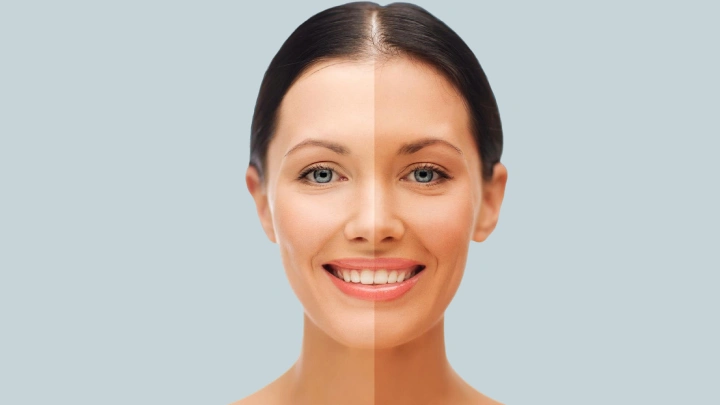
Why Choosing the Right Skin Whitening Treatment Matters
Every person's skin responds differently to professional treatments. Even when two people have what appears to be the same concern, the underlying cause and skin condition may be different.
Pigmentation, for example, can be associated with sun exposure, hormonal changes, post-inflammatory pigmentation, ageing, certain medical conditions and other factors. Treating the visible pigmentation without understanding the underlying concern may not provide the approach your skin actually needs.
The right treatment should therefore be selected based on your individual skin rather than a one-size-fits-all approach.
A professional assessment can help determine:
- What type of skin concern you have
- What may be contributing to it
- How deep or extensive the pigmentation appears
- Whether your skin is sensitive or reactive
- Which treatment approach may be appropriate
- What kind of aftercare will be required
The goal of professional skin care is not to change your natural skin colour. It is to improve concerns such as uneven pigmentation, dullness, tanning and uneven skin tone while supporting healthier, more radiant-looking skin.
What Do Skin Experts Evaluate Before Recommending a Treatment?
Before recommending a Personalized Skin Whitening Treatment, a skin specialist may look at several factors. These help determine which treatment is appropriate and how aggressively the concern should be addressed.
Skin Type
Your basic skin type can influence treatment selection and aftercare.
A specialist may consider whether your skin is:
- Oily
- Dry
- Combination
- Sensitive
For example, sensitive skin may require a more cautious treatment approach, while oily or congested skin may have additional concerns that need to be considered.
Skin type alone, however, does not determine which treatment you need. Your specific skin condition is equally important.
Skin Concern
What exactly are you trying to improve?
Common concerns include:
- Pigmentation
- Melasma
- Acne marks
- Tanning
- Uneven skin tone
- Dull-looking skin
- Dark spots
- Post-inflammatory pigmentation
Two people may both describe their skin as “dull,” but one may have mainly surface dullness while another may have pigmentation or post-acne marks contributing to the appearance.
Understanding the concern helps the specialist select a more appropriate treatment approach.
Pigmentation Depth
Not all pigmentation is located or behaves in the same way. Some pigmentation may be more superficial, while deeper or more persistent pigmentation can be more difficult to manage.
The apparent depth, type and cause of pigmentation can therefore influence treatment planning. This is particularly important when dealing with concerns such as persistent pigmentation or melasma.
Rather than assuming that a stronger treatment will always produce better results, a specialist can determine how much intervention your skin actually needs.
Medical History
Your previous and current skin history can also affect treatment selection.
During a Skin Whitening Consultation, you may be asked about:
- Previous skin treatments
- Current skincare products
- Medications
- Allergies or sensitivities
- Existing skin conditions
- Previous reactions to treatments
- Any recent procedures
This information helps the specialist understand how your skin may respond and whether certain treatments should be modified, postponed or avoided.
Lifestyle Factors
Your daily routine can also influence pigmentation and treatment results.
A specialist may consider:
- How much time you spend outdoors
- Your level of sun exposure
- Your current skincare routine
- Whether you regularly use sunscreen
- Your work or daily environment
- Your expectations from treatment
- Whether you can follow recommended aftercare
For example, someone with frequent outdoor sun exposure may need to place greater emphasis on sun protection when managing pigmentation.
Why Professional Skin Analysis Is Important
A Professional Skin Assessment helps move the treatment decision beyond simply identifying what the skin looks like.
A specialist can begin with a visual examination of the skin and discuss your symptoms, history and skincare routine. Depending on the clinic and the concern, skin analysis tools may also be used to provide additional information about the skin.
The purpose of skin analysis is to understand:
- The visible skin concern
- Possible contributing factors
- Skin sensitivity and condition
- Pigmentation patterns
- The areas requiring attention
This information can then be used to create a more personalised treatment plan.
For example, pigmentation caused mainly by sun exposure may be approached differently from post-inflammatory pigmentation or melasma. The same treatment should not automatically be applied to every pigmentation concern.
Common Skin Whitening Treatment Options
There are several categories of professional treatments that may be considered for pigmentation, uneven tone and dull-looking skin. The appropriate option depends on the individual's assessment rather than simply choosing the most advanced-sounding treatment.
Laser Treatments
Laser-based treatments may be considered for concerns such as pigmentation, dark spots, freckles, tanning and uneven skin tone. The type of laser and treatment settings depend on the skin concern and assessment.
Chemical Peels
Chemical peels use professionally selected exfoliating solutions to improve concerns such as dullness, uneven tone, pigmentation and certain acne-related marks. Different peel formulations can be selected according to the skin concern and sensitivity.
Cell-Based and Regenerative Therapies
Certain cell-based or regenerative approaches may be offered as part of professional skin-care plans. Their suitability depends on the specific concern and treatment protocol.
Combination Treatments
In some cases, a specialist may recommend more than one approach as part of a broader treatment plan. Combining treatments should be based on the individual's skin condition rather than assuming that multiple treatments will automatically provide better results.
For a detailed overview of different professional skin treatments, see our Ultimate Guide to Transformative Skin Whitening Treatments.
Mistakes to Avoid When Choosing a Treatment
Choosing a treatment based only on advertisements, social media trends or someone else's experience can lead to unrealistic expectations.
Choosing Based Only on Price
The cheapest treatment may not necessarily be appropriate for your concern. Treatment selection should be based on your skin condition, professional assessment and the suitability of the approach.
Self-Diagnosing Pigmentation
Not every dark patch is the same type of pigmentation. If you are unsure about the cause, professional assessment is more useful than choosing a treatment based on appearance alone.
Following Social Media Trends
A treatment becoming popular online does not mean it is suitable for every skin type or concern. Your skin may require a completely different approach.
Ignoring Professional Consultation
Skipping consultation can mean important factors such as previous treatments, medications, allergies or skin sensitivity are overlooked.
Skipping Aftercare
Sun exposure and inconsistent skincare can affect the management of pigmentation. Following the recommended aftercare is an important part of your overall treatment plan.
Why a Personalised Treatment Plan Matters
A Personalized Skin Whitening Treatment plan takes your individual skin concerns into account rather than applying the same treatment to everyone.
Your plan may differ based on:
- Skin type
- Pigmentation type
- Pigmentation depth
- Skin sensitivity
- Existing skin conditions
- Previous treatments
- Lifestyle and sun exposure
- Individual goals
- Response to previous treatment
This also means your treatment plan may change over time. Your skin's response can help your specialist decide whether to continue, modify or adjust the approach.
The aim is not simply to make the skin look lighter. It is to address the concerns affecting your complexion and support clearer, more even and healthier-looking skin.
Conclusion
Choosing the right Skin Whitening Treatment for Skin Type starts with understanding your skin rather than following trends or copying someone else's treatment.
A professional skin assessment can help identify your specific concern, contributing factors and the treatment approach that may be most appropriate. With realistic expectations, personalised care and consistent aftercare, professional skin treatments can support a clearer, more even and healthier-looking complexion.
Frequently Asked Questions
How do skin experts decide which skin whitening treatment is suitable?
Skin experts consider your skin type, specific concern, pigmentation pattern, skin sensitivity, medical history, previous treatments and lifestyle factors. This assessment helps them determine which treatment approach may be appropriate for your skin.
Does skin type affect treatment selection?
Yes. Skin type and sensitivity can influence how a professional treatment is selected and planned. However, skin type is only one factor; the cause and type of pigmentation also need to be considered.
Can one treatment work for every skin concern?
No. Pigmentation, melasma, acne marks, tanning and dull skin can have different causes and may respond differently to treatment. A personalised approach is therefore more appropriate than using one treatment for every concern.
Is a skin consultation necessary?
A professional consultation is recommended before choosing a treatment for pigmentation or uneven skin tone. It allows the specialist to assess your skin and understand your concerns before recommending an appropriate approach.
Can treatments be combined?
Yes, combination treatments may be considered in some cases. However, they should only be combined when there is a clear reason to do so and the approach is appropriate for your skin condition.
How important is aftercare?
Aftercare is an important part of professional skin treatment. Sunscreen, gentle skincare and following the recommendations provided by your specialist can help support your results and manage recurring pigmentation concerns.

 info@vcaretrichology.com
 +91 709 2525 252
 View All Locations


