

How to Get Clear Skin from Acne: Skincare and Treatment Guide
Published on 2026-10-03 | By Admin
If you're dealing with frequent breakouts, painful pimples, or acne marks, figuring out how to get clear skin from acne can feel frustrating. While countless skincare products promise quick results, the truth is that treating acne effectively starts with understanding what's causing it. The right acne treatment for clear skin depends on your skin type, the severity of your acne, and following a consistent treatment plan.
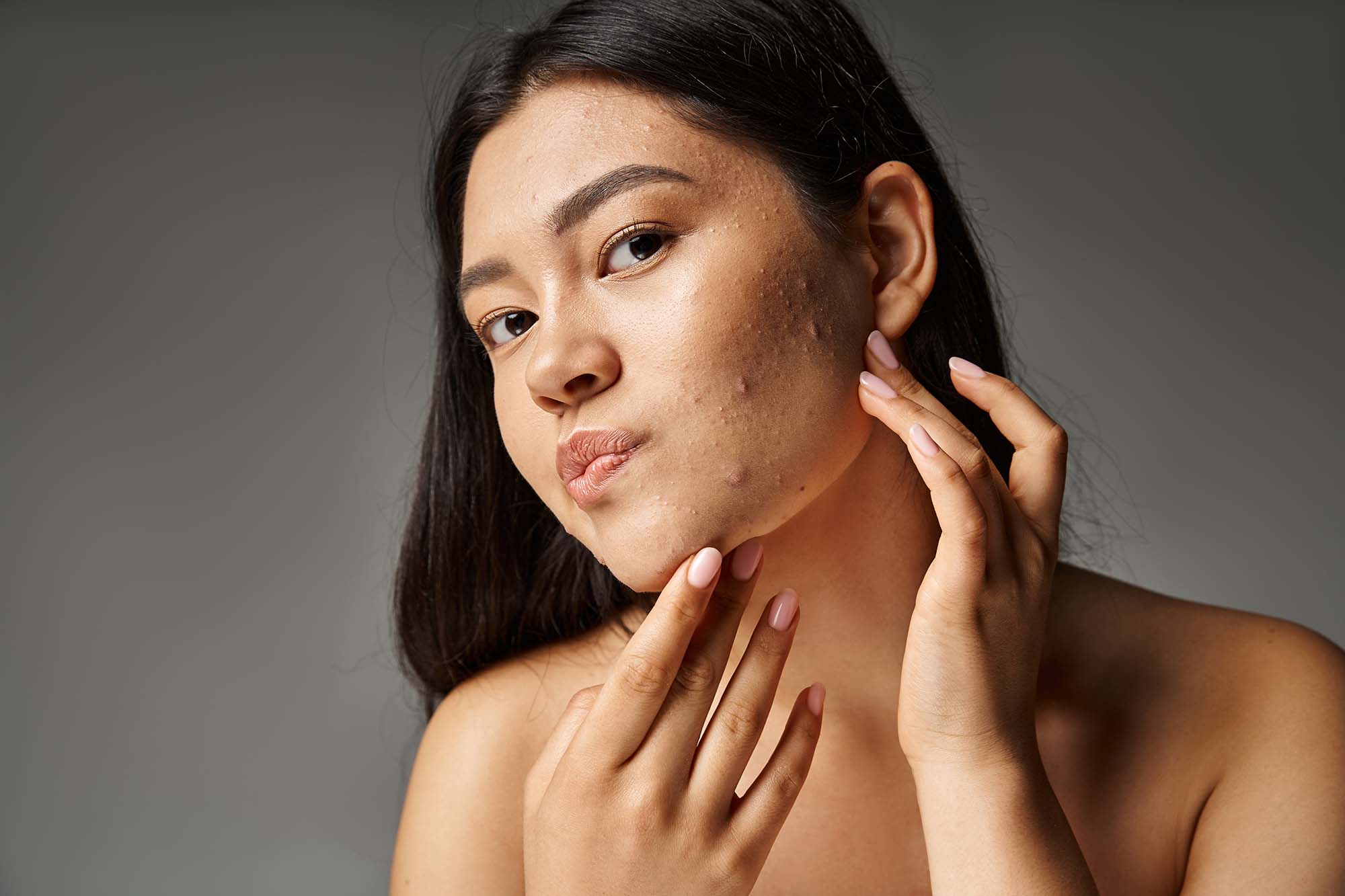
Whether you have occasional pimples or persistent acne, clearer skin is possible with the right combination of skincare, healthy habits, and professional treatment when needed. In this guide, we'll explain how to get clear skin from acne, the best acne treatments, how to build an effective skincare routine, and practical tips to help prevent future breakouts.
Why Does Acne Make It Harder to Achieve Clear Skin?
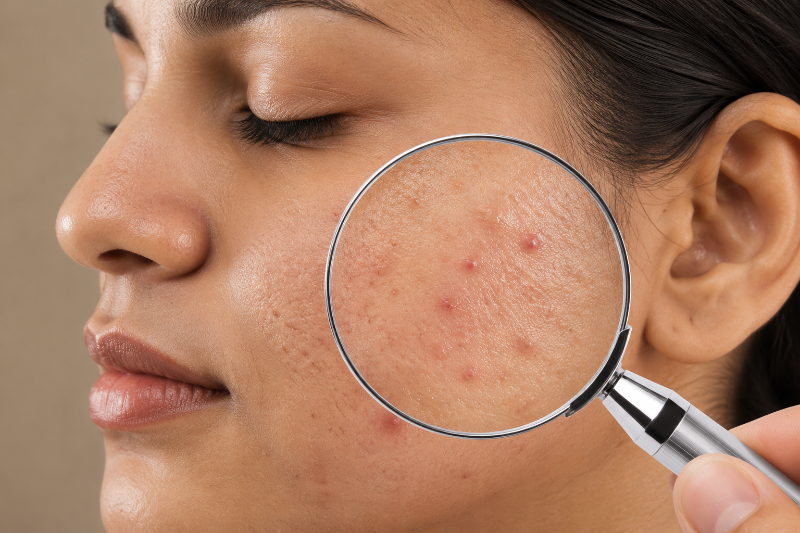
Acne doesn't just cause breakouts; it can also make your skin look uneven and harder to clear. When hair follicles become clogged with excess oil, dead skin cells, and bacteria, they become inflamed, leading to blackheads, whiteheads, pimples, or deeper cystic acne. As these breakouts heal, they may leave behind dark marks or acne scars, resulting in an uneven skin tone.
Even if you follow a skincare routine, your skin may not clear up if the underlying cause of acne isn't addressed. Hormonal changes, excess oil production, stress, genetics, and improper skincare can all contribute to recurring breakouts.
Understanding why acne is a barrier to clear skin is the first step toward choosing the most effective acne treatment for clear skin.
Can Acne Be Cleared Completely?
In many cases, acne can be effectively controlled with the right treatment and skincare routine. However, whether acne clears completely depends on factors such as the type of acne, its severity, and the underlying cause.
Mild acne may improve with appropriate skincare and consistent home care. However, persistent or recurring breakouts often require professional evaluation to identify the underlying cause and recommend the right treatment. Moderate to severe acne may require prescription medications or in-clinic dermatological treatments. Even after acne improves, maintaining a proper skincare routine is important to help reduce the risk of future breakouts. If you are looking for a long-term acne-free skin treatment, addressing the root cause is just as important as treating visible breakouts.
How to Get Clear Skin from Acne
There isn't a single product or treatment that works for everyone. The most effective way to achieve clear skin is by combining the right skincare routine with treatments that target the underlying cause of acne.
For many people, an effective acne management plan includes:
- Cleansing the skin twice daily with a gentle cleanser
- Using acne-fighting ingredients recommended for your skin type
- Applying a non-comedogenic moisturiser to maintain the skin barrier
- Wearing sunscreen every day to prevent post-acne marks from darkening
- Seeking professional treatment if acne persists or becomes severe
Patience is equally important. Acne treatments usually take time to show visible improvement, so consistency is key to achieving long-term results.
Skincare for Acne-Prone Skin: A Daily Routine
Following the best skincare routine for acne-prone skin is just as important as treating active breakouts. A consistent routine helps control excess oil, reduce clogged pores, and support healthier skin over time. While skincare alone may not treat severe acne, it plays a key role in maintaining clear skin and preventing future breakouts.
A Simple Daily Routine for Clear Skin with Acne
Step | What to Do | Why It Matters |
Cleanse | Use a gentle cleanser twice a day. | Removes excess oil, dirt, and impurities without stripping the skin. |
Treat | Apply dermatologist-recommended acne products. | Helps reduce breakouts and unclog pores. |
Moisturise | Choose a lightweight, non-comedogenic moisturiser. | Keeps the skin hydrated and protects the skin barrier. |
Protect | Apply a broad-spectrum sunscreen (SPF 30 or higher) every morning. | Prevents post-acne marks from darkening and protects against UV damage. |
Effective Acne Treatment for Clear Skin: Professional Options
If over-the-counter products and a consistent skincare routine aren't enough to control acne, a professional treatment for acne-prone skin may help. Depending on the type and severity of acne, a dermatologist may recommend treatments that reduce excess oil, unclog pores, control acne-causing bacteria, and improve post-acne marks.
Professional treatments are tailored to your skin type and acne concerns, making them more effective for persistent or recurring breakouts than relying on skincare products alone.
VCare's Professional Acne Treatments
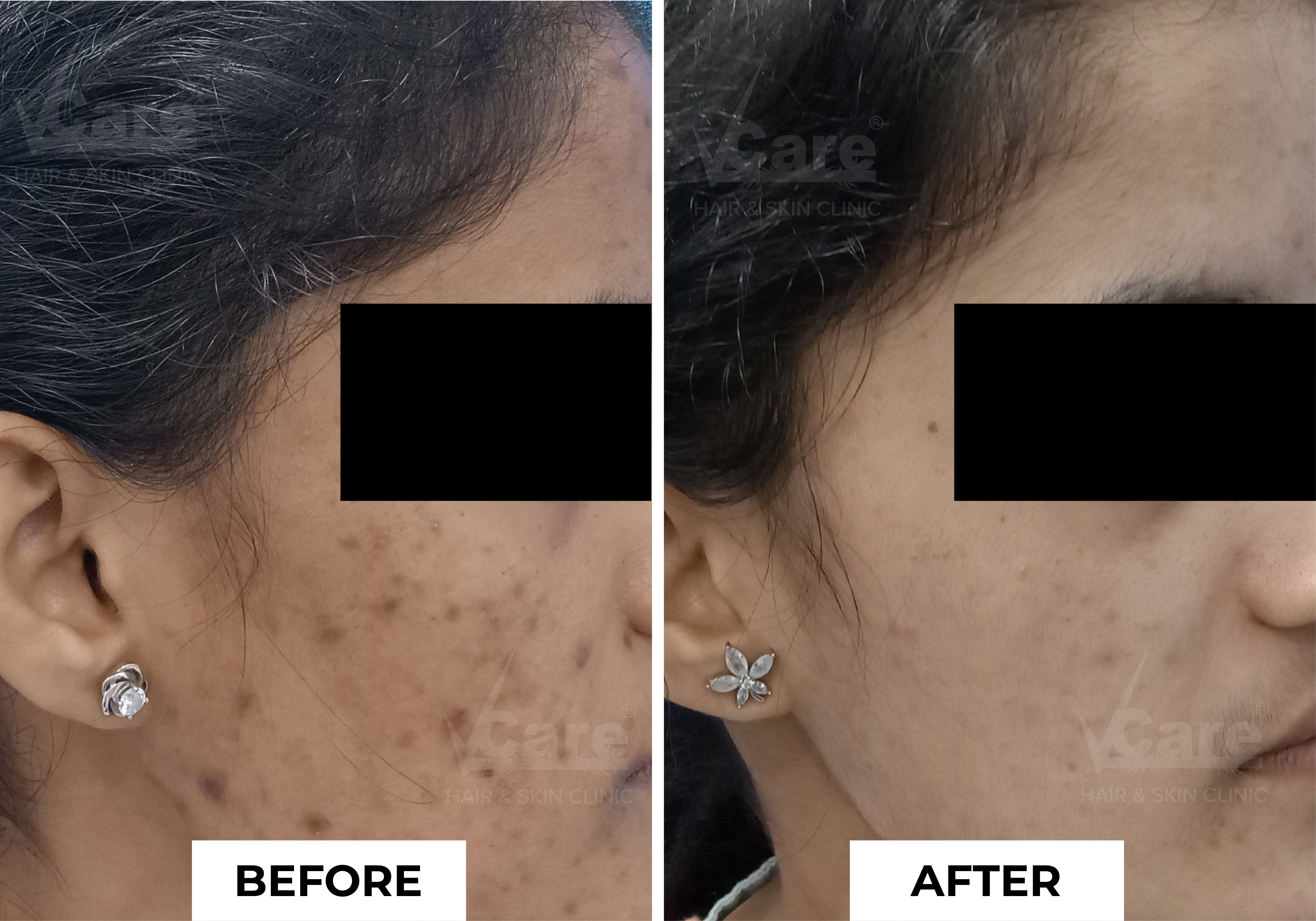
At VCare, treatment plans are personalised after a detailed skin assessment. Depending on your skin condition, your dermatologist may recommend one or a combination of the following treatments.
ACNEX Treatment
ACNEX is VCare's targeted acne treatment designed to help control active breakouts by addressing excess oil, acne-causing bacteria, and hormonal acne triggers. It also helps calm inflamed pimples and reduce the risk of post-acne pigmentation and recurring breakouts.
SaliPeel Treatment
SaliPeel is a medical-grade salicylic acid peel that deeply exfoliates the skin and unclogs pores. It helps remove excess oil, reduce blackheads and whiteheads, and improve post-inflammatory acne marks for clearer-looking skin.
Which Acne Treatment Is Right for You?
The best acne treatment for clear skin depends on factors such as your acne type, skin condition, and underlying cause. A dermatologist can evaluate your skin and recommend the most suitable treatment plan to help you achieve healthier, clearer skin.
Common Mistakes That Delay Clear Skin
Even with the right acne treatment routine, certain habits can slow your progress and lead to recurring breakouts. Avoiding these common mistakes can help improve your skin and support long-term results.
Picking or squeezing pimples can increase inflammation and raise the risk of acne scars and pigmentation.
Skipping sunscreen may cause post-acne marks to become darker and take longer to fade.
Using too many acne products at once can irritate the skin and damage the skin barrier.
Changing products too frequently doesn't give your skin enough time to respond to treatment.
Sleeping with makeup on can clog pores and contribute to new breakouts.
Stopping treatment too early may cause acne to return before it is fully under control.
Consistency is often more important than using multiple products. Give your skincare routine enough time to work before expecting visible results.
Lifestyle Habits That Support Clear Skin
Your daily habits can influence your skin's health and play an important role in supporting your clear skin acne treatment plan. While lifestyle changes alone may not cure acne, they can complement your skincare routine and professional treatments.
Healthy habits that support clearer skin:
- Eat a balanced diet rich in fruits, vegetables, and protein.
- Stay hydrated throughout the day.
- Manage stress through exercise, meditation, or hobbies.
- Aim for 7–9 hours of quality sleep each night.
- Wash pillowcases, towels, and makeup brushes regularly.
- Avoid touching your face unnecessarily.
These simple habits, combined with the best skincare routine for acne-prone skin, can help support healthier-looking skin over time.
When Should You See a Dermatologist?
Mild acne may improve with the right skincare routine, but persistent or severe acne often needs treatment from a dermatologist.
Consider consulting a dermatologist if you:
- Have painful or cystic acne.
- Experience frequent or recurring breakouts.
- Notice acne scars or persistent acne marks.
- Don't see improvement after several weeks of consistent skincare.
- Feel that acne is affecting your confidence or quality of life.
A dermatologist can identify the underlying cause of your acne and recommend a personalised treatment plan based on your skin type and concerns.
Final Thoughts
Learning how to get clear skin from acne is a journey that requires patience, consistency, and the right approach. While a good skincare routine can help manage mild breakouts, persistent or recurring acne often needs a personalised treatment plan based on its underlying cause.
At VCare, our dermatologists assess your skin type, acne severity, and underlying triggers to recommend the most suitable acne treatment for clear skin. With the right guidance and a personalised treatment plan, achieving healthier, clearer skin is possible.
FAQs
What is the easiest way to learn how to get clear skin from acne?
Start with a simple routine of gentle cleansing, a dermatologist-recommended acne product, a non-comedogenic moisturiser, and daily sunscreen. If breakouts continue after a few weeks, a dermatologist can identify the cause and recommend the right treatment.
What is the best acne treatment for clear skin?
The right treatment depends on the type and severity of your acne. Mild acne may improve with skincare, while persistent acne may require professional treatment.
How long does acne treatment take to clear skin?
Most acne treatments require several weeks before noticeable improvement. The timeline depends on your acne severity, skin type, and treatment plan.
Can acne treatment give clear skin?
Yes. With the right treatment and a consistent skincare routine, many people achieve clearer, healthier-looking skin. Results vary depending on the underlying cause of acne.
Are chemical peels safe for acne-prone skin?
Yes, when performed by a qualified professional. Chemical peels help exfoliate the skin, unclog pores, and improve acne marks.
Can I achieve clear skin naturally?
Healthy lifestyle habits and a good skincare routine can support clearer skin. However, persistent acne may require professional treatment.
What is the best skincare routine for acne-prone skin?
A simple routine that includes cleansing, moisturising, sunscreen, and acne treatments recommended by a dermatologist is often the most effective.
Why does acne keep coming back?
Recurring acne may be caused by hormonal changes, excess oil production, genetics, stress, or inconsistent skincare. Treating the underlying cause is important for long-term control.
How do dermatologists help achieve clear skin?
Dermatologists identify the cause of your acne and create a personalised treatment plan that may include medications, in-clinic procedures, and skincare recommendations to help improve your skin.

 info@vcaretrichology.com
 +91 709 2525 252
 View All Locations


