

GFC vs PRP Hair Treatment: Which Is Better for Hair Loss?
Published on 2026-08-12 | By Admin
Hair loss affects millions of people and can occur due to genetics, hormonal changes, stress, nutritional deficiencies, medical conditions, or aging. GFC vs PRP Hair Treatment is a common consideration for people exploring regenerative options for hair loss, as both approaches focus on supporting the scalp environment and healthier hair growth. While topical medications and oral treatments may help some individuals, regenerative hair therapies have become increasingly popular for their follicle-supporting approach.
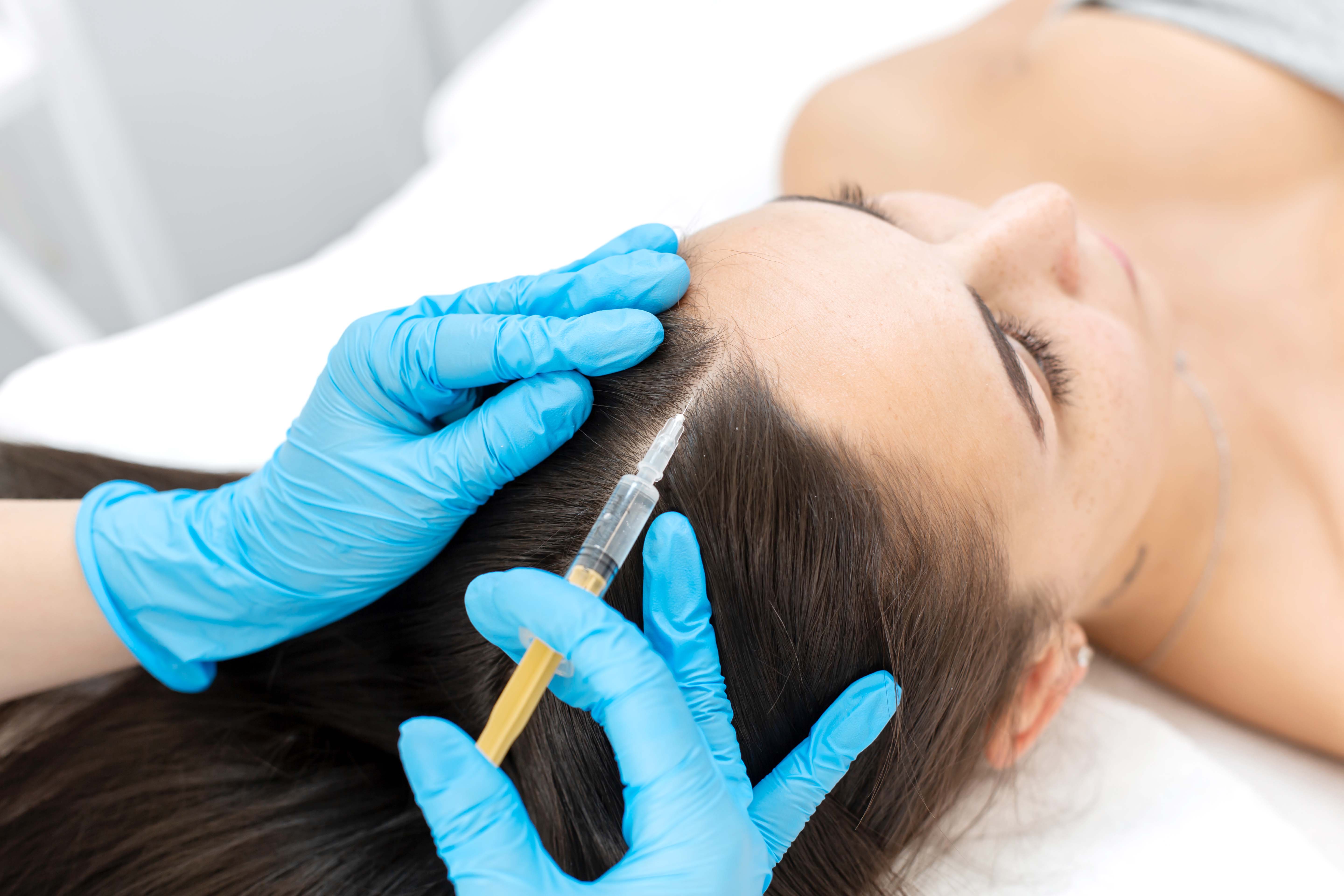
Among the most commonly recommended regenerative treatments are Growth Factor Concentrate (GFC) and Platelet-Rich Plasma (PRP). Both treatments use components derived from the patient's own blood and aim to stimulate inactive or weakened hair follicles. However, they differ in how they are prepared, the concentration of growth factors they contain, and the treatment process.
In this guide, you'll learn what GFC and PRP hair treatments are, how each procedure works, The differences between GFC and PRP, and their benefits and possible side effects.
What Is GFC Hair Treatment?
GFC Hair Treatment: GFC, Growth Factor Concentrate Treatment is an advanced regenerative therapy that uses highly concentrated growth factors extracted from a patient's own blood. Instead of injecting platelets directly, GFC isolates the beneficial growth factors released by activated platelets.
These growth factors are known to support cell communication and tissue repair. When injected into the scalp, they may help create a healthier environment for weakened hair follicles.
How Is GFC Prepared?
The treatment generally involves the following steps:
- A small amount of blood is collected.
- The blood is processed using specialized technology.
- Platelets are activated to release growth factors.
- The purified growth factor concentrate is separated.
- The concentrate is injected into targeted areas of the scalp.
Because the treatment focuses on delivering concentrated growth factors rather than whole platelets, GFC is considered a newer evolution of platelet-based regenerative therapy.
What Is PRP Hair Treatment?
Platelet-Rich Plasma (PRP) hair treatment is one of the most widely used regenerative treatments for hair loss. It involves drawing the patient's blood, separating platelet-rich plasma through centrifugation, and injecting the plasma into areas experiencing hair thinning.
Platelets naturally contain growth factors that may support tissue repair and healing. By delivering a higher concentration of platelets to the scalp, PRP aims to stimulate weakened hair follicles and encourage healthier hair growth.
How Does PRP Work?
The procedure usually includes:
- Blood collection
- Centrifugation to separate platelet-rich plasma
- Preparation of the PRP solution
- Scalp injections into affected areas
PRP has been used in several medical specialties, including orthopedics, sports medicine, dermatology, and aesthetic medicine.
GFC vs PRP: Understanding the Difference
GFC vs PRP Hair Treatment is a common comparison for people exploring regenerative options for hair loss. Although both treatments use components derived from your own blood, their preparation and delivery methods differ. GFC focuses on a concentrated preparation of growth factors, whereas PRP uses platelet-rich plasma. The most suitable option depends on factors such as your hair loss pattern, scalp condition, and individual treatment goals.
Blood Processing | Patient's blood | Patient's blood |
Main Component | Concentrated growth factors | Platelet-rich plasma |
Preparation | Platelets activated before extracting growth factors | Platelets concentrated using centrifugation |
Procedure | Minimally invasive | Minimally invasive |
Downtime | Minimal | Minimal |
Benefits of GFC Hair Treatment
GFC has gained attention because it delivers concentrated growth factors that are directly involved in tissue repair and cellular signaling.
Potential benefits may include:
Concentrated Growth Factors
The treatment isolates growth factors released from activated platelets, allowing targeted delivery to the scalp.
Supports Hair Density
GFC may help support healthier hair density by creating an environment that encourages follicle activity.
Helps Improve Hair Thickness
Many patients seek GFC as part of a treatment plan aimed at improving the appearance of thinning hair.
Minimal Downtime
Most individuals can return to normal daily activities shortly after treatment, following their doctor's recommendations.
Uses Your Own Blood
Since the treatment is autologous (derived from your own blood), the risk of allergic reactions is generally low.
Benefits of PRP Hair Treatment
PRP remains one of the most commonly performed regenerative treatments for hair restoration.
Its benefits include:
Well-Established Regenerative Therapy
PRP has been widely used for several years across different medical fields.
Minimally Invasive Procedure
The treatment requires only blood collection and scalp injections, with no surgical incisions.
Uses the Patient's Own Blood
Because PRP is prepared from the patient's blood, it minimizes concerns associated with synthetic materials.
Suitable for Early Hair Thinning
PRP is often considered as part of a comprehensive hair loss management plan, especially in individuals with early stages of hair thinning.
GFC vs PRP: Which Treatment May Be More Suitable?
Choosing between GFC vs PRP Hair Treatment should always be based on a professional scalp assessment rather than assumptions. The right option depends on factors such as your hair loss pattern, scalp condition, medical history, and treatment goals.
Your doctor may evaluate:
Stage of Hair Loss
Early hair thinning and advanced hair loss may require different treatment strategies.
Pattern of Hair Loss
Male pattern baldness, female pattern hair loss, diffuse thinning, and other conditions respond differently to regenerative therapies.
Medical History
Certain medical conditions, medications, nutritional deficiencies, or hormonal imbalances may influence treatment recommendations.
Overall Scalp Health
Scalp inflammation, dandruff, infections, or other underlying issues may need to be addressed before regenerative procedures.
Treatment Goals
Some individuals seek maintenance, while others want support for active hair thinning. Your expectations also help determine the most appropriate approach.
Rather than assuming one treatment is always better, an experienced hair specialist can recommend the option best suited to your individual condition.
Possible Side Effects
Since both GFC and PRP are prepared using the patient's own blood, they are generally well tolerated when performed by trained professionals.
However, temporary side effects may include:
- Mild redness
- Swelling
- Tenderness at injection sites
- Minor discomfort
- Temporary scalp sensitivity
These effects usually resolve within a few days. Following your doctor's aftercare instructions can help support recovery.
What is the Cost of GFC and PRP Hair Treatments?
The cost of GFC and PRP hair treatments varies depending on several factors.
These include:
- The clinic's expertise and facilities
- Number of treatment sessions required
- Severity of hair loss
- Individual treatment plan
- Combination with other therapies
Instead of focusing only on price, it's important to choose a qualified clinic that performs a comprehensive hair assessment and recommends a personalized treatment plan.
Frequently Asked Questions
What is the difference between GFC and PRP?
Both treatments use the patient's own blood. PRP delivers platelet-rich plasma containing growth factors, while GFC isolates and concentrates the growth factors released from activated platelets before injection.
Which treatment is better for hair loss?
Neither treatment is universally better for everyone. The most suitable option depends on factors such as the cause of hair loss, stage of thinning, medical history, and professional evaluation.
Is GFC more effective than PRP?
Research continues to evaluate both treatments. Some studies suggest that concentrated growth factors may offer certain advantages in specific situations, but treatment outcomes vary among individuals. A consultation with a hair specialist is the best way to determine suitability.
Is PRP painful?
Most patients experience only mild discomfort during the injections. Clinics often use techniques or numbing measures to improve comfort during the procedure.
How many sessions are needed?
The number of sessions varies based on your hair loss condition, treatment goals, and your doctor's recommendations. Many treatment plans involve multiple sessions followed by maintenance visits.
Are both treatments safe?
When performed by qualified professionals using proper protocols, both GFC and PRP are generally considered safe because they use components derived from the patient's own blood.
Who is a good candidate for GFC?
Individuals experiencing early to moderate hair thinning may be suitable candidates, but eligibility should always be determined after a detailed scalp and hair evaluation.
Can GFC and PRP be combined?
Depending on the individual's condition, specialists may recommend combining regenerative therapies with medications, nutritional support, low-level laser therapy, or other hair restoration treatments. The appropriate approach should always be personalized.
How long do the results last?
Results vary depending on the underlying cause of hair loss, lifestyle, genetics, and ongoing maintenance. Regular follow-up treatments may be recommended to help maintain outcomes.
Should I consult a specialist before choosing?
Yes. Hair loss can result from many different causes, including hormonal imbalances, nutritional deficiencies, autoimmune conditions, genetics, or scalp disorders. A professional evaluation helps identify the underlying cause and ensures you receive the most appropriate treatment plan.
Conclusion
Both GFC Hair Treatment and PRP Hair Treatment are regenerative, platelet-based therapies that aim to support healthier hair follicles using the body's own biological components. While they share a similar foundation, they differ in preparation methods and the composition of what is injected into the scalp.
The right choice depends on your hair loss pattern, scalp condition, treatment goals, and medical history. Rather than selecting a treatment based solely on online comparisons, consult an experienced hair specialist who can assess your condition and recommend a personalized hair restoration plan.
With an accurate diagnosis and the right treatment strategy, early intervention may help improve hair quality, support healthier follicles, and manage hair thinning more effectively.


 info@vcaretrichology.com
 +91 709 2525 252
 View All Locations


