

GFC Hair Treatment: Benefits, Procedure, & Everything You Need to Know
Published on 2026-08-12 | By Admin
Hair loss is one of the most common concerns affecting both men and women today. GFC Hair Treatment is a regenerative approach that may help support weakened hair follicles and healthier hair growth. While shedding a few strands daily is part of the natural hair growth cycle, persistent hair thinning, a widening hair part, or a receding hairline may indicate weakening hair follicles.
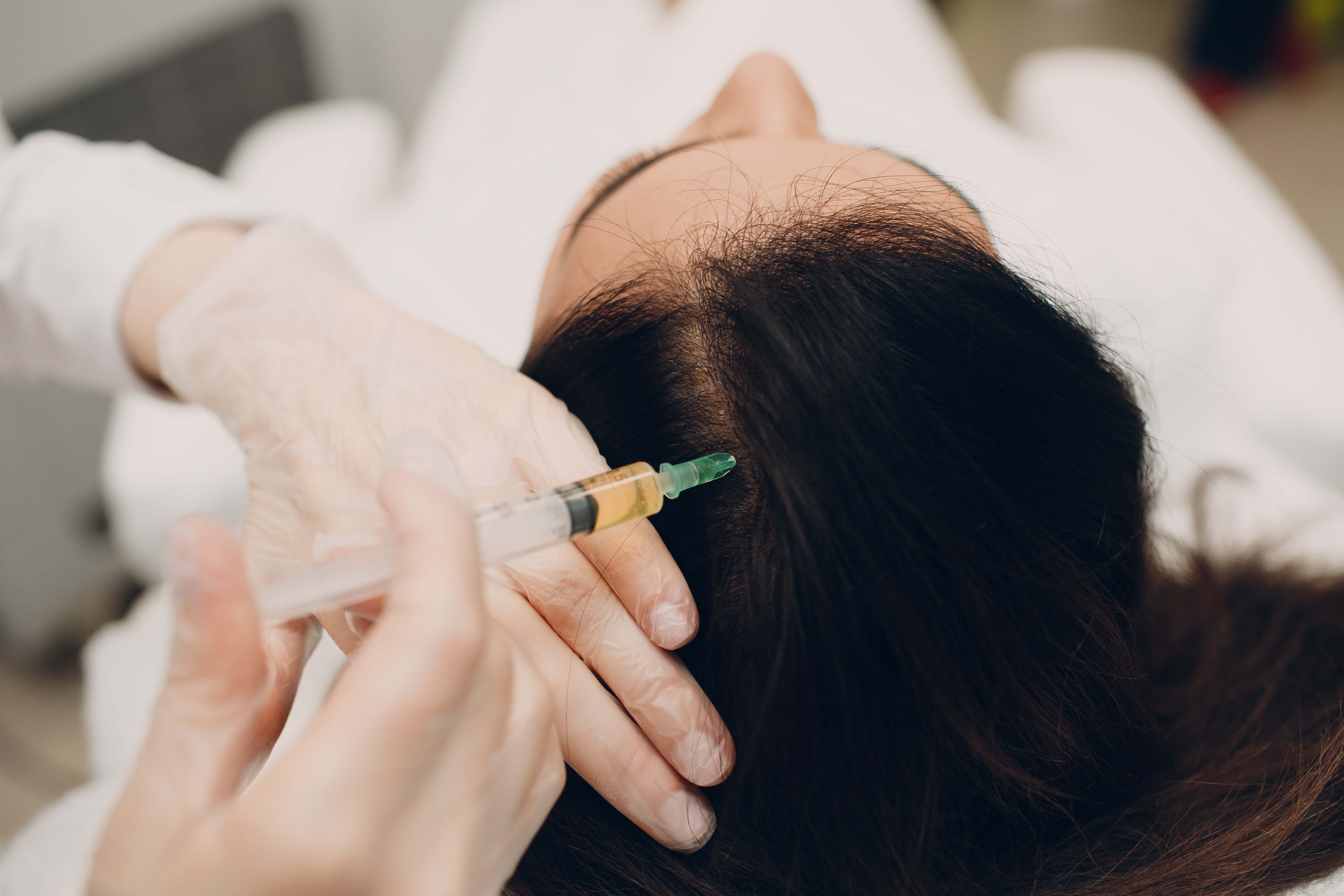
Many people rely on shampoos, oils, serums, or supplements to manage hair fall. While these products can improve overall hair and scalp health, they often cannot address the underlying problem when the hair follicles become weakened or undergo miniaturisation. Since healthy hair grows from healthy follicles, modern regenerative treatments focus on improving the follicular microenvironment and supporting hair follicle function.
This is where regenerative treatments such as GFC Hair Treatment (Growth Factor Concentrate Hair Treatment) have gained attention. This minimally invasive procedure uses concentrated growth factors derived from your own blood to support weakened hair follicles and encourage healthier hair growth.
In this blog, we'll explain how GFC Hair Treatment works, who may benefit from it, what to expect during the procedure, possible side effects, expected results, and how it compares with PRP.
What is GFC Hair Treatment?
GFC Hair Treatment (Growth Factor Concentrate Hair Treatment) is a non-surgical regenerative procedure that supports weakened hair follicles using concentrated growth factors extracted from a small sample of your own blood.
Growth factors are naturally occurring signalling proteins involved in tissue repair and cell communication. During the procedure, these purified growth factors are isolated and injected into areas of the scalp affected by thinning hair.
Unlike topical products that primarily work on the hair shaft, GFC targets the hair follicle (the living structure responsible for hair growth). Its purpose is to support existing hair follicles and improve their function rather than create new hair follicles.
Since GFC uses your own blood-derived growth factors (autologous treatment), risk of immunological or allergic reactions is minimal because it uses autologous blood. The procedure is minimally invasive and usually involves little downtime.
Why Does Hair Loss Occur?
The hair growth cycle consists of three main phases: Anagen (Growth Phase), the active stage lasting around two to seven years when the follicle continuously produces new hair; Catagen (Transition Phase), a short phase lasting about two to three weeks when hair growth stops and the follicle prepares for the resting stage; and Telogen (Resting Phase), when the hair shaft eventually sheds and the follicle rests before beginning a new growth cycle.
What Causes Hair Loss?
Hair loss can occur when this cycle is disrupted by factors such as:
- Genetics (androgenetic alopecia)
- Hormonal changes
- Nutritional deficiencies
- Chronic stress
- Illness or fever
- Certain medications
- Scalp inflammation
- Ageing
Over time, hair follicles may undergo miniaturisation, producing thinner, weaker, and shorter hair. If left untreated, they can become less active, resulting in visible hair thinning.
This is why advanced hair loss treatments focus on improving follicle health rather than the hair shaft, which is made of dead keratin. Healthy follicles are essential for producing stronger, thicker hair.
How Does GFC Hair Treatment Support the Hair Growth Cycle?
This is where you can introduce GFC and explain how the treatment is intended to support existing hair follicles and healthier hair growth.
How Does GFC Hair Treatment Work?
GFC Hair Treatment delivers concentrated growth factors directly to weakened hair follicles.
Growth factors are naturally produced during tissue repair and healing. In GFC therapy, these signalling proteins are isolated from your own blood using specialised processing technology and injected into thinning areas of the scalp.
Rather than creating new follicles, GFC improves the follicular microenvironment (the biological environment surrounding hair follicles) helping support healthier follicle function.
GFC Hair Treatment may help:
- Support healthier follicle function
- Encourage a healthier hair growth cycle
- Support tissue repair and improve the follicular microenvironment.
- Promote stronger, thicker-looking hair
- Help slow progressive hair thinning
Treatment is recommended only after a detailed consultation and scalp evaluation. Depending on the diagnosis, it may also be combined with other medical or regenerative therapies.
Who is a Suitable Candidate for GFC Hair Treatment?
GFC Hair Treatment is generally recommended for individuals with active but weakened hair follicles. It is most effective during the early stages of hair loss before significant follicle damage occurs.
You may be a suitable candidate if you have:
Early Androgenetic Alopecia (Pattern Hair Loss)
Men and women with early to moderate hereditary hair loss may benefit, as follicles are still active but gradually becoming weaker.
Female Pattern Hair Loss
Women experiencing thinning over the crown or widening of the hair partition may be suitable candidates after clinical evaluation.
Diffuse Hair Thinning
Hair thinning caused by stress, hormonal changes, nutritional deficiencies, illness, or certain medications may respond well if the follicles remain active.
Hair Weakening After Illness or Stress
Individuals with Telogen Effluvium following illness, childbirth, surgery, fever, or significant stress may benefit once the underlying cause is addressed.
Individuals Seeking a Non-Surgical Hair Restoration Option
Those looking for a minimally invasive treatment with little downtime may also consider GFC after professional assessment.
Who May Not Be an Ideal Candidate?
GFC Hair Treatment may not be suitable for individuals with completely bald areas where follicles are no longer active, active scalp infections, or certain medical conditions. A detailed consultation is essential to determine the most appropriate treatment.
GFC Hair Treatment Procedure: Step by Step
Understanding the procedure can help you know what to expect. Although protocols may vary slightly, GFC Hair Treatment generally includes the following steps:
1. Consultation and Hair Loss Evaluation
Your specialist reviews your medical history, lifestyle, medications, and hair loss pattern to identify the underlying cause before recommending treatment.
2. Advanced Scalp Analysis
A detailed scalp assessment evaluates:
- Hair density
- Follicle health
- Hair loss pattern
- Scalp condition
- Suitable treatment areas
Additional investigations may be advised if nutritional deficiencies or hormonal imbalances are suspected.
3. Blood Collection
A small blood sample is collected from your arm, similar to a routine blood test.
4. Growth Factor Separation
The blood is processed using specialised equipment to isolate concentrated growth factors under sterile conditions.
5. Scalp Preparation
The scalp is cleansed thoroughly, and a topical anaesthetic may be applied if required to improve comfort.
6. Growth Factor Injection
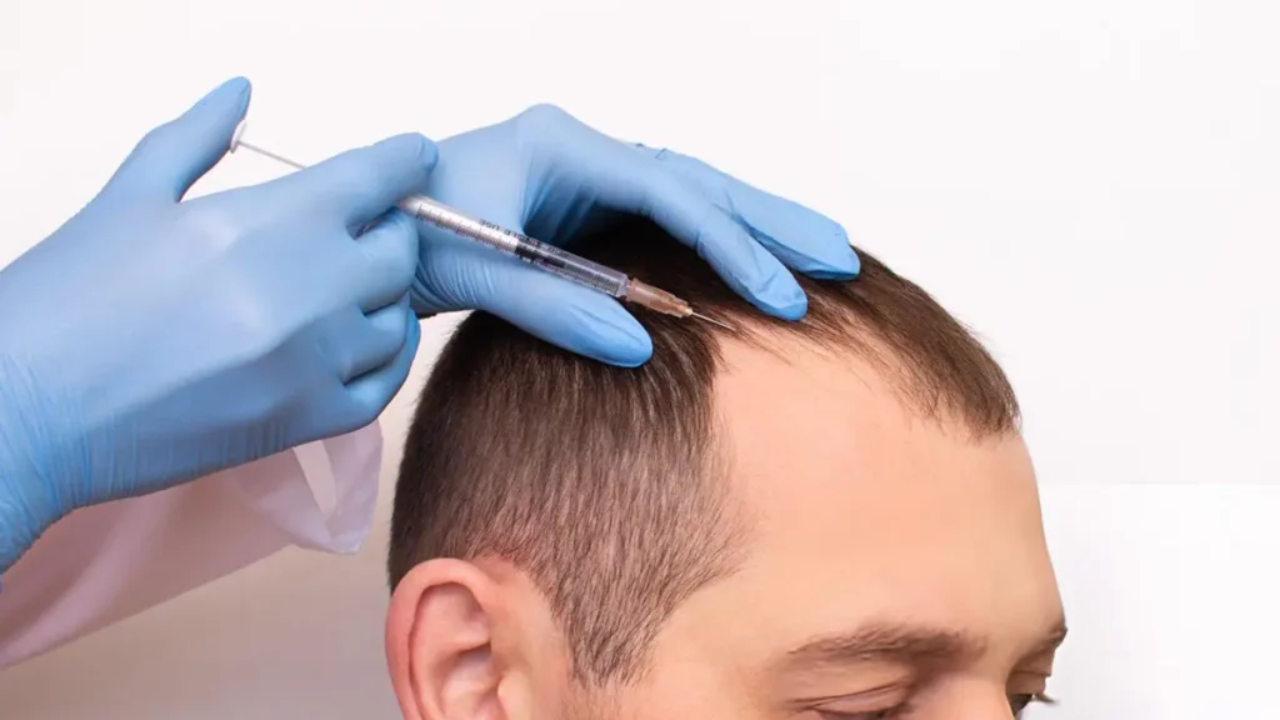
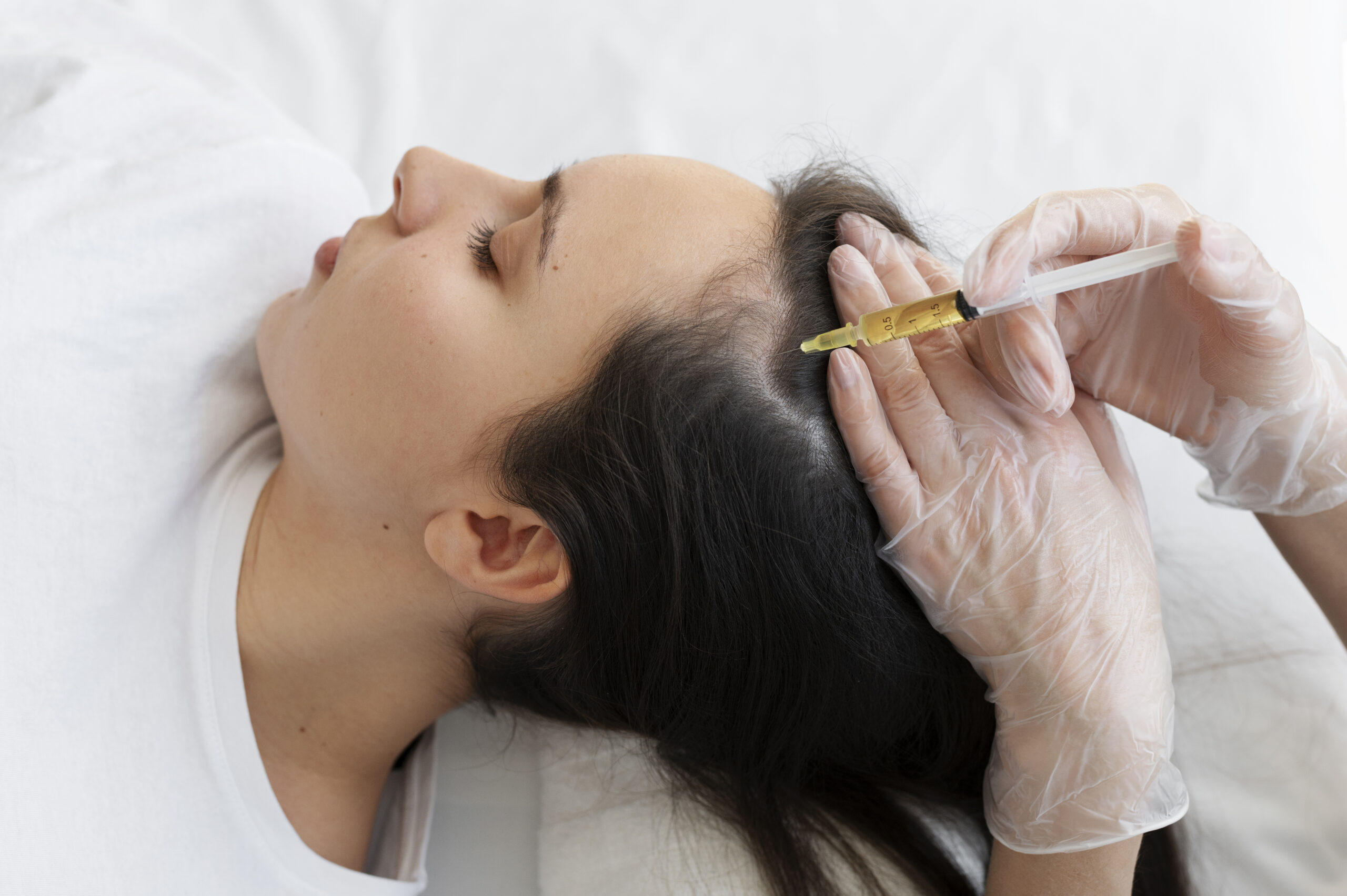
The concentrated growth factors are injected into targeted areas using fine needles. The procedure usually takes 45–60 minutes.
7. Post-Procedure Guidance
Your specialist will provide personalised aftercare instructions covering hair washing, exercise, scalp care, sun exposure, medications (if prescribed), and follow-up visits.
Benefits of GFC Hair Treatment
GFC Hair Treatment is a regenerative approach that supports hair follicles using the body's own growth factors. While results vary based on the underlying cause of hair loss and follicular health, the treatment offers several potential benefits.
- Supports Healthier Hair Follicles
Growth factors help improve the environment around existing hair follicles, supporting their normal function and overall scalp health.
- May Improve Hair Density and Thickness
As healthier follicles progress through the natural hair growth cycle, hair may gradually appear fuller, thicker, and healthier.
- Helps Reduce Progressive Hair Thinning
By supporting weakened follicles during the early stages of hair loss, GFC may help slow ongoing thinning in suitable candidates.
- Uses Patient-Derived Growth Factors
Since the treatment uses growth factors prepared from your own blood, the risk of allergic reactions is generally low.
- Minimally Invasive with Minimal Downtime
GFC Hair Treatment requires no surgery or stitches. Most individuals can return to their normal routine shortly after the procedure.
Side Effects and Safety of GFC Hair Treatment
Since GFC Hair Treatment uses growth factors derived from your own blood, it is generally well tolerated when performed under proper clinical protocols. GFC hair treatment results can vary from person to person, and like any injectable procedure, mild temporary side effects may occur.
Common side effects include:
- Mild redness
- Temporary swelling
- Tenderness or scalp sensitivity
- Pinpoint bleeding
- Mild soreness
These effects usually resolve within a few hours to a couple of days.
Although complications are uncommon, treatment should always be performed by qualified professionals using proper sterile techniques. Your specialist will evaluate your medical history and scalp condition before recommending GFC Hair Treatment.
Why Choose VCare for GFC Hair Treatment?
Hair loss can result from multiple factors, including genetics, hormonal changes, nutritional deficiencies, stress, medical conditions, and scalp health. That's why effective treatment begins with identifying the underlying cause rather than simply addressing visible hair fall.
At VCare, every patient's journey starts with a comprehensive consultation and advanced scalp analysis. Based on your hair loss pattern, follicle health, medical history, and lifestyle, our specialists create a personalised treatment plan.
Our approach includes:
- Comprehensive consultation with experienced hair specialists
- Advanced scalp and follicle analysis
- Root cause evaluation
- Personalised treatment planning
- Regular progress monitoring
- Combination therapies where clinically appropriate
Rather than offering a one-size-fits-all approach, we recommend treatments based on your individual condition. Depending on your diagnosis, GFC Hair Treatment may be advised as a standalone procedure or as part of a customised hair restoration plan.
Frequently Asked Questions (FAQs)
1. Is GFC Hair Treatment permanent?
No. GFC supports existing hair follicles but does not permanently stop hair loss. Maintenance sessions may be recommended based on your condition.
2. How many GFC Hair Treatment sessions are required?
The number of sessions varies depending on the cause and severity of hair loss. Your doctor will recommend a personalised treatment plan after evaluation.
3. Is GFC Hair Treatment painful?
Most individuals experience only mild discomfort during the injections. A topical anaesthetic may be used if required.
4. Can GFC Hair Treatment be combined with other treatments?
Yes. Depending on your diagnosis, GFC may be combined with medications, nutritional support, PRP, laser therapy, or other clinically appropriate treatments.
5. Is GFC Hair Treatment suitable for both men and women?
Yes. It may be recommended for men and women with early-stage pattern hair loss, diffuse thinning, or hair weakening, following a clinical evaluation.
6. How is GFC Hair Treatment different from PRP?
Both treatments use components from your own blood. GFC delivers purified growth factors, while PRP contains platelets that release growth factors after injection. The most suitable option depends on your hair loss condition.
Conclusion
Hair loss often begins with changes in the health of your hair follicles long before noticeable thinning occurs. While shampoos, oils, and supplements can support hair care, they may not address the underlying follicular changes responsible for progressive hair loss.
GFC Hair Treatment is a minimally invasive regenerative procedure that uses concentrated growth factors derived from your own blood to support existing hair follicles and improve the scalp environment. In suitable candidates, it may help improve hair quality, density, and overall follicle health.
Since every type of hair loss requires a different approach, a detailed consultation and scalp analysis are essential to determine the most appropriate treatment.
At VCare, our specialists provide personalised treatment plans based on your hair loss condition and monitor your progress throughout the journey.
If you're experiencing persistent hair fall or thinning, book a consultation with our experts to find out whether GFC Hair Treatment is the right option for you.

 info@vcaretrichology.com
 +91 709 2525 252
 View All Locations


