

Skin Tag Removal: Causes, Identification & Professional Treatment
Published on 2026-11-12 | By Admin
Have you noticed a small, soft growth on your neck, underarms, or eyelids? It may be a skin tag. Although these growths are usually harmless, they can cause irritation when they rub against clothing, jewellery, or surrounding skin. Some people also consider Skin Tag Removal for cosmetic reasons or to manage recurring irritation.
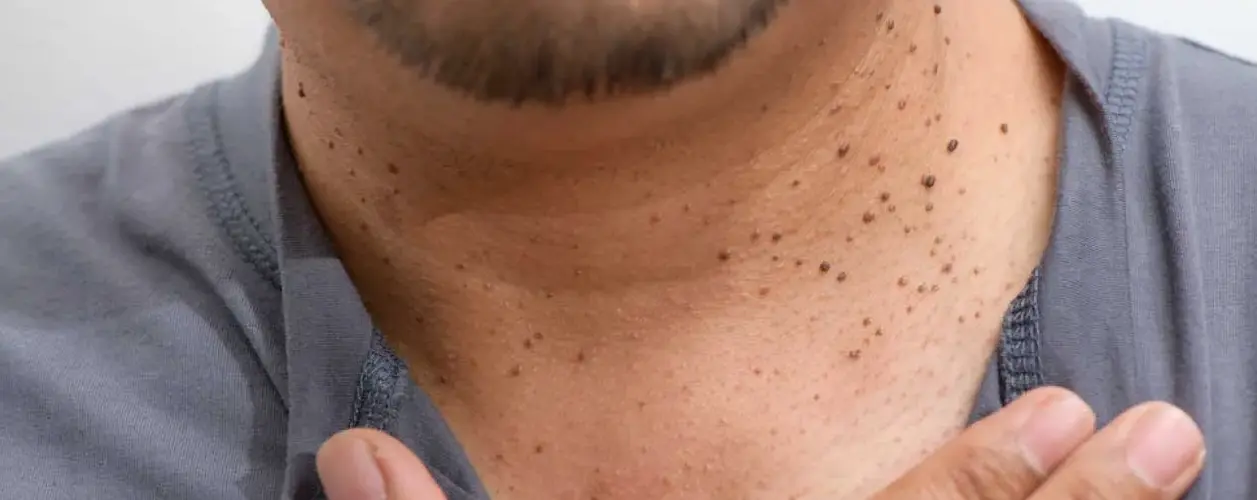
Professional skin tag removal involves assessing the growth and selecting a suitable removal procedure, if needed. However, it is important to confirm that the growth is actually a skin tag before attempting any treatment.
So, what causes skin tags, how can you identify them, and when should you consider professional removal? Let's explore.
What Are Skin Tags?
Skin tags are small, soft, non-cancerous growths that develop on the skin. Medically known as acrochordons, they consist of skin tissue, collagen fibres, and small blood vessels.
They commonly appear in areas where skin rubs against skin or clothing. Skin tags are generally painless and do not require treatment unless they cause discomfort, become irritated, or affect your appearance.
Although skin tags are usually harmless, not every small skin growth is a skin tag. Warts, moles, and other skin lesions can sometimes look similar, making professional assessment important when the diagnosis is uncertain.
How to Identify a Skin Tag
Skin tags often have a distinctive appearance, but their size, colour, and shape can vary.
Size
Most skin tags are small, ranging from a few millimetres to larger growths. Some remain tiny, while others gradually become more noticeable over time.
Colour
They are usually skin-coloured but may appear slightly darker, particularly in people with darker skin tones.
Shape
Skin tags are generally soft, smooth, and slightly raised. Many hang from the skin by a narrow stalk, while some have a broader base.
Common Locations
Skin tags frequently develop in areas exposed to repeated friction, including:
- Neck and collar area
- Underarms
- Eyelids
- Under the breasts
- Groin and skin folds
- Areas where clothing or jewellery repeatedly rubs against the skin
How Are Skin Tags Different from Normal Skin?
Normal skin generally has a relatively even surface, whereas a skin tag forms a distinct, soft growth that protrudes from the surrounding skin. It may move slightly when touched, especially when attached by a narrow stalk.
However, appearance alone cannot always confirm the diagnosis. If a growth looks unusual, changes rapidly, or bleeds without an obvious reason, consult a qualified healthcare professional rather than assuming it is a skin tag.
Skin Tag vs Wart vs Mole
Skin tags, warts, and moles can all appear as small skin growths, but they differ in their appearance, causes, and treatment approaches.
Feature | Skin Tag | Wart | Mole |
Appearance | Soft, flesh-coloured or slightly darker growth | Raised or flat growth, sometimes with a rough surface | Flat or raised spot, usually brown, black, or skin-coloured |
Cause | Associated with friction and other factors; exact cause is not always clear | Caused by certain types of human papillomavirus (HPV) | Develops from clusters of pigment-producing cells |
Texture | Usually soft and smooth | Often firm or rough, depending on the type | Can be smooth, flat, or raised |
Pain | Usually painless but may become irritated | May be painless or tender, depending on location | Usually painless unless irritated or affected by another condition |
Treatment | Removal may involve cautery, excision, or other suitable methods | Treatment depends on the wart type and location | Often requires no treatment; suspicious moles need medical evaluation |
Important: These differences are general guidelines, not a reliable way to diagnose a growth at home. A dermatologist can assess the lesion and recommend the appropriate next step.
Who Is More Likely to Develop Skin Tags?
Understanding the causes of skin tags can help identify the factors that contribute to their development. While skin tags can occur in anyone, certain conditions and lifestyle factors may increase the likelihood of developing them.
1. Ageing
Skin tags become more common with age. They may gradually appear over the years, particularly in areas where skin experiences repeated friction.
2. Friction-Prone Areas
Repeated rubbing between skin folds, tight clothing, and jewellery may contribute to skin tag development. This is why they frequently appear around the neck, underarms, and groin.
3. Obesity
People who are overweight or have obesity may develop skin tags more frequently, partly because of increased skin folds and friction.
4. Diabetes and Insulin Resistance
Skin tags are associated with insulin resistance and are more common in people with certain metabolic conditions. However, having a skin tag does not automatically mean that you have diabetes.
If you develop numerous skin tags or have other risk factors for diabetes, discuss whether a health assessment is appropriate with your doctor.
5. Hormonal Changes
Hormonal changes, including those that occur during pregnancy, may be associated with the development of skin tags in some people.
6. Family History
Some people appear more prone to developing skin tags because they run in families. Genetics may contribute to this tendency.
When Should You Consider Skin Tag Removal?
Skin tags usually do not need to be removed for medical reasons. However, skin tag removal treatment may be worth considering in the following situations.
- Frequent irritation: The growth becomes uncomfortable because of clothing, shaving, or jewellery.
- Cosmetic concerns: You prefer to remove a visible skin tag, especially on the face or neck.
- Repeated rubbing: The skin tag regularly catches on clothing or gets irritated during everyday activities.
- Bleeding or discomfort: The growth repeatedly bleeds or becomes painful, particularly after friction or injury.
- Changes in appearance: The growth increases in size, changes colour, or develops an unusual appearance.
Bleeding or changing growths should be examined rather than treated as routine cosmetic skin tags. A healthcare professional can determine whether removal is appropriate and whether further evaluation is needed.
What Happens During a Professional Skin Tag Removal Consultation?
Before recommending a skin tag removal procedure, a dermatologist or qualified healthcare professional should assess the growth and confirm the likely diagnosis.
1. Skin Examination
The clinician examines the growth, including its size, shape, colour, location, and overall appearance. They may also ask when it appeared and whether it has changed.
2. Diagnosis
The clinician determines whether the growth is likely to be a skin tag or another type of skin lesion. If the diagnosis is uncertain, further assessment may be necessary before removal.
3. Treatment Selection
The appropriate removal method depends on the size and location of the skin tag, the number of growths, and your individual skin concerns.
At VCare, Radiofrequency (RF) Cautery is an advanced procedure that uses controlled radiofrequency energy to precisely remove skin tags and other suitable benign skin growths.
The procedure targets the unwanted tissue while minimising damage to the surrounding skin. It is designed for precise removal with minimal discomfort, and healing is generally quick, although recovery and scarring can vary.
Before treatment, our clinician assesses the skin growth and recommends RF cautery based on its type, size and location, while explaining the procedure, expected healing and possible risks.
4. Post-Treatment Homecare with VCare's Skin Priming Kit
Proper aftercare is essential to support skin healing following a skin tag removal procedure. At VCare, the Skin Priming Kit may be introduced as part of your homecare routine after 3 days of the procedure, based on your doctor's advice and skin condition.
The kit is designed to gently cleanse, soothe and hydrate the skin, support the skin barrier and provide sun protection. It also helps maintain healthy, even-looking skin during post-treatment care.
Always follow your doctor's instructions before applying skincare products to the treated area.
Skin Tag Prevention Tips
Skin tags cannot always be prevented, particularly when age and genetics play a role. However, a few practical habits may help reduce irritation and address contributing factors.
- Maintain a healthy weight: If appropriate for your health, weight management may help reduce skin folds and friction.
- Reduce repeated friction: Avoid jewellery or clothing that constantly rubs against areas where skin tags develop.
- Choose comfortable clothing: Breathable fabrics and a comfortable fit can help minimise skin irritation.
- Manage underlying health conditions: Follow your healthcare professional's advice for conditions such as diabetes or insulin resistance.
- Check your skin regularly: Notice new or changing growths and seek medical advice if their appearance is unusual.
These measures may help manage contributing factors, but they cannot guarantee that new skin tags will not develop.
Common Myths About Skin Tags
Several misconceptions can lead people to worry unnecessarily or attempt unsafe removal methods.
Myth 1: Skin Tags Are Contagious
Fact: Skin tags are not contagious. They do not spread through touching, sharing clothing, or ordinary skin contact.
Myth 2: Skin Tags Are Cancerous
Fact: Typical skin tags are benign and non-cancerous. However, other skin growths can resemble them, so unusual or changing lesions should be assessed by a healthcare professional.
Myth 3: Home Remedies Are Always Safe
Fact: Applying acids, cutting a growth, tying it off, or using unverified removal products can cause bleeding, infection, burns, and scarring. Professional assessment is the safer approach when removal is desired.
Myth 4: Skin Tags Always Grow Back
Fact: A completely removed skin tag generally does not return in the same spot. However, new skin tags can develop elsewhere, especially if you are prone to them.
Myth 5: Every Small Skin Growth Is a Skin Tag
Fact: Warts, moles, and other lesions may look similar. Identifying the growth correctly is essential before choosing a treatment.
Conclusion
Skin tags are common, usually harmless skin growths, but they can sometimes cause irritation or cosmetic concerns. Understanding their appearance, possible causes, and differences from other skin lesions can help you make informed decisions about removal.
If you are considering skin tags treatment, professional assessment is the first step. At VCare, a consultation can help determine whether a growth is suitable for removal and which procedure may be appropriate for your skin.
Speak with a VCare specialist to explore your options for skin tag removal and receive guidance on treatment and aftercare.
Frequently Asked Questions About Skin Tags
1. Can skin tags disappear naturally?
Skin tags generally persist unless they become damaged or fall off. Some may detach on their own, but you should not try to make this happen by cutting, tying, or irritating them.
2. Is skin tag removal painful?
The level of discomfort depends on the removal method, the size of the growth, and its location. A clinician may use a suitable numbing method to reduce discomfort. Ask about pain management before the procedure.
3. Can I remove a skin tag at home?
It is best not to cut, burn, tie off, or apply harsh chemicals to a skin tag yourself. These methods can cause bleeding, infection, and scarring. A professional can first confirm the diagnosis and recommend an appropriate removal method.
4. Will skin tags return after removal?
A skin tag that has been completely removed generally does not grow back in the same location. However, new skin tags may develop in other areas over time.
5. Are skin tags a sign of another health condition?
Most skin tags are harmless. However, they are associated with insulin resistance and certain metabolic conditions. Having skin tags alone does not confirm an underlying condition, but a doctor can advise whether further assessment is appropriate.
6. When should I seek medical advice?
Seek medical advice if a growth bleeds repeatedly, grows rapidly, changes colour or shape, becomes painful, or does not look like a typical skin tag. You should also seek an assessment before attempting removal, particularly for growths around the eyelids or genital area.
7. How many sessions are needed for skin tag removal?
The number of sessions depends on the size, location, and number of skin tags. Some suitable growths can be removed in one session, while multiple or more complex cases may require additional treatment.
8. Can skin tags be removed from the neck and underarms?
Skin tags in these areas can often be removed using an appropriate professional method. The clinician will assess the growths and recommend a suitable approach based on their location and characteristics.
9. Are skin tags dangerous?
No, skin tags are usually harmless, non-cancerous growths. However, some skin conditions may look similar. If a growth changes in size, shape or colour, or starts bleeding, consult a dermatologist for proper diagnosis.
10. How to Remove Skin Tags Safely?
Skin tags can be safely removed by a dermatologist using professional methods such as cryotherapy, electrocautery or surgical excision. The right method depends on the skin tag's size and location. Avoid removing skin tags at home, as this may cause bleeding, infection or scarring.

 info@vcaretrichology.com
 +91 709 2525 252
 View All Locations


