


PBS Hair Regrowth Treatment: Benefits, Results & Who Should Consider It
Published on 2026-10-22 | By Admin
Hair thinning often develops gradually. You may notice increased hair fall, a widening part, a thinner-looking crown, or reduced hair volume.
If you’re exploring PBS Hair Regrowth Treatment, you may be wondering how it works, who it is suitable for, and what results you can realistically expect.
PBS, or Photobiostimulation Hair Growth Therapy, is a non-surgical approach that combines optical, biological, thermal, and electro energy with VCare-specific biological actives as part of a structured hair and scalp care protocol.
So, how does PBS work, and could it be suitable for your hair concerns? Let’s take a closer look.
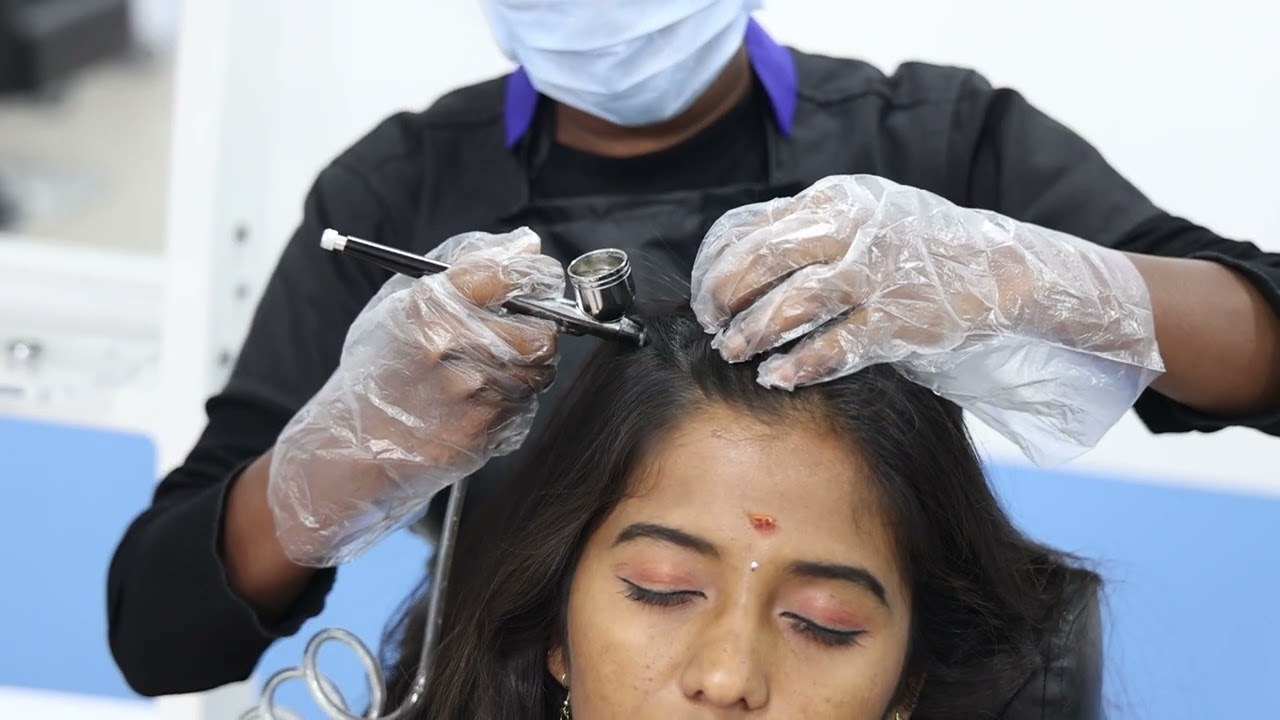
What Is PBS Hair Regrowth Treatment?
PBS Hair Regrowth Treatment is a non-surgical hair therapy that combines energy-based stimulation with VCare’s biological components to support the scalp and hair-growth environment. The protocol brings together four components—Optical, Biological, Thermal and Electro Energy—along with nano actives such as nano sulphur, nano zinc and nano silver.
These components work together as part of a structured treatment rather than as separate therapies. While light-based hair therapies have been studied for supporting hair growth in certain types of hair thinning, PBS may not be suitable for every type of hair fall. The underlying cause, follicle condition and degree of thinning should be assessed before treatment.
[Explore More: Photobiostimulation Therapy for Hair Growth: The Science Behind PBS Treatment]
How Does PBS Hair Regrowth Treatment Support Hair Growth?
PBS is designed to create a supportive treatment environment for the scalp and existing hair follicles by combining energy-based stimulation with VCare's biological components.
The treatment uses four components:
Optical Energy
Light energy forms one part of the PBS protocol. VCare's treatment page describes the use of infrared and blue light as part of its optical component.
More broadly, light-based hair therapies have been studied particularly in androgenetic alopecia, with recent reviews finding an increase in hair density compared with placebo in this condition.
Biological Energy
VCare's PBS protocol incorporates biological ingredients and nano actives, including nano sulphur, nano zinc and nano silver. These are specific to the VCare treatment approach and should not be confused with the broader evidence for photobiomodulation or low-level light therapy.
Thermal Energy
Controlled thermal stimulation is incorporated into the PBS protocol. VCare describes the use of a thermal rejuvenation gel as part of this component.
Electro
The treatment also incorporates microcurrent-based stimulation. VCare describes this component as part of its approach to scalp and product delivery.
Together, these components form VCare's 4E approach rather than relying on a single treatment modality.
Key Benefits of PBS Hair Regrowth Treatment
The potential benefits of PBS depend on the underlying hair concern and the condition of the scalp and follicles. It is best considered as part of a personalized hair-loss management plan rather than a guaranteed regrowth treatment.
1. Non-Surgical Approach
PBS does not involve hair transplantation or surgical incisions, making it an option for people looking for a non-surgical approach to hair care.
2. Designed for Hair Thinning
PBS can be considered when there is visible thinning or reduced hair density and viable follicles remain.
3. Supports Scalp Care
The treatment incorporates scalp-focused steps alongside energy-based stimulation, which may be useful when scalp concerns accompany hair fall.
4. No Surgical Recovery
Because PBS is non-invasive, it does not involve the surgical recovery associated with hair transplantation.
5. Can Be Part of a Broader Hair Plan
Depending on the diagnosis, PBS may be considered alongside other hair-loss treatments rather than used in isolation.
6. Suitable for Men and Women
Hair thinning affects both men and women, and PBS can be considered for either when the underlying condition and scalp assessment indicate that it is appropriate.
Who Should Consider PBS Hair Regrowth Treatment?
PBS may be considered by people experiencing early or moderate hair thinning, reduced density or ongoing hair fall, particularly when there are still viable follicles in the affected area.
You may want to discuss PBS with a hair specialist if you notice:
- Gradual thinning across the scalp
- A widening central part or reduced crown density
- Early-stage pattern hair loss
- Increased shedding with reduced overall volume
- Hair that appears progressively finer or weaker
- Scalp concerns occurring alongside hair thinning
However, hair fall has many possible causes. Androgenetic alopecia, telogen effluvium, nutritional deficiencies, hormonal conditions, autoimmune disorders and scalp conditions can require different approaches.
That is why the first step should be identifying why your hair is falling, rather than choosing a treatment based only on the amount of hair you are losing.
Who May Not Be an Ideal Candidate?
PBS may not be the most appropriate standalone option when hair loss is advanced, the follicles are significantly damaged or the underlying cause requires a different medical approach.
A specialist may recommend further evaluation if you have:
- Sudden or unexplained heavy shedding
- Smooth, clearly defined bald patches
- Signs of scalp infection or significant inflammation
- Advanced hair loss with extensive follicular loss
- Suspected hormonal or nutritional problems
- A medical condition requiring specific treatment
This does not automatically mean PBS cannot form part of your overall hair-care plan. It means the underlying condition should be assessed first so that treatment is matched to the actual cause.
What Results Can You Expect from PBS Hair Regrowth Treatment?
Results from PBS are not instant, and the outcome varies from person to person. The extent of thinning, underlying diagnosis, follicle condition, treatment consistency and overall hair health can all influence what you see.
You may notice changes such as:
- Reduced appearance of excessive shedding
- Improved scalp condition
- Hair appearing healthier or stronger
- Gradual improvement in the appearance of density
- Better maintenance of existing hair in suitable cases
The timeline also varies. VCare states that the number of treatment sittings differs between individuals and currently describes approximately six sessions as a general minimum for seeing the best results, while noting that treatment requirements vary.
This should not be interpreted as a guaranteed six-session result. Hair growth is a biological process, and your treatment schedule should be determined after assessing your individual hair and scalp condition.
PBS Hair Regrowth Treatment vs Other Hair Regrowth Treatments
PBS, PRP, GFC and Biocell are not identical treatments. They use different approaches, so the choice depends on the type of hair loss, follicle condition, treatment goals and professional assessment.
Treatment | How it works | Key consideration |
PBS | Combines energy-based stimulation with VCare’s biological components | Non-surgical approach for hair thinning and scalp-focused care |
PRP | Uses a patient’s own platelet-rich plasma | Injectable treatment often considered for androgenetic alopecia |
GFC | Uses concentrated growth-factor components derived from blood | Injectable regenerative hair treatment |
Biocell | Vcare’s non-surgical hair therapy | Considered as part of a personalized hair-regrowth plan |
PBS vs PRP
PRP uses a patient's own blood, which is processed to obtain platelet-rich plasma and then administered to the scalp. Research suggests PRP may improve hair density in androgenetic alopecia, although studies differ in preparation methods and overall evidence quality.
PBS, in contrast, is a non-invasive approach that does not require injections. The two therefore differ substantially in how the treatment is delivered.
PBS vs GFC
GFC-based treatments use concentrated growth-factor components and are generally delivered through injections. Some clinical research on concentrated growth-factor approaches has reported improvements in hair density and diameter, but the evidence base is smaller than that for established light-based or PRP approaches.
PBS does not rely on injections and instead uses VCare's combination of optical, biological, thermal and electro components.
PBS vs Biocell
Both are non-surgical hair therapies, but they use different treatment approaches and formulations. Biocell is designed around biological hair-regrowth support, while PBS combines VCare's 4E energy approach with its biological components.
The right choice should therefore be based on your diagnosis and treatment goals rather than simply choosing the treatment with the longest list of features.
Tips to Maximize Your PBS Hair Regrowth Treatment Results
Your treatment does not work in isolation. Consistent scalp care and following your specialist's recommendations can help you get the most from your overall hair-management plan.
Follow Your Treatment Schedule
Hair growth takes time. Attend sessions according to the schedule recommended for your scalp and hair condition rather than expecting immediate changes.
Maintain a Healthy Scalp
Keep the scalp clean and follow any recommended products for dandruff, excess oil or other scalp concerns.
Focus on Balanced Nutrition
Adequate protein, iron and other nutrients are important for normal hair growth. If a deficiency is suspected, professional evaluation is more useful than taking supplements without guidance.
Follow Professional Aftercare Advice
Use only the shampoos, serums or homecare products recommended for your condition. Avoid making frequent changes to your routine while undergoing treatment.
Final Thoughts
Hair thinning is not always caused by the same problem, so there is no single treatment that works for everyone.
PBS Hair Regrowth Treatment offers a non-surgical approach that combines VCare's 4E technology with biological components to support hair and scalp care. If you're considering PBS, a professional assessment can help determine whether it suits your condition and whether another treatment or a combination approach may be more appropriate.
The goal should not simply be to choose a treatment. It should be to understand the reason behind your hair loss and build a plan around it.
Frequently Asked Questions
Who is the ideal candidate for PBS Hair Growth Therapy?
PBS may be considered for men and women experiencing hair thinning, reduced density or certain forms of hair fall when viable follicles remain. A professional scalp and hair assessment is important because different causes of hair loss require different treatment approaches.
Can PBS help with hair thinning?
Yes, PBS may be considered for selected cases of hair thinning, particularly when there are still viable follicles. However, the expected benefit depends on the underlying cause and severity of thinning, so an individual assessment is important.
How many sessions are usually recommended?
There is no single number that applies to everyone. VCare's current PBS information states that treatment requirements vary and generally describes a minimum of six sessions for best results.
Is PBS painful?
PBS is a non-invasive treatment and is generally described by VCare as painless. The treatment may involve sensations such as warmth depending on the components used, but it does not involve injections or surgical incisions.
Can PBS be combined with PRP or GFC?
It may be possible to combine different hair treatments when clinically appropriate, but this should be decided after assessing the cause and pattern of hair loss. Combining treatments is not automatically better for everyone.
When might I start noticing results?
Hair growth is gradual, so results should not be expected immediately after a session. The timeline varies according to the underlying condition, follicle health, treatment schedule and individual response.
Does PBS require downtime?
PBS is non-invasive and does not involve surgical recovery. VCare describes the treatment as a painless procedure, making it an option for people looking for a hair therapy without surgical downtime.
Is PBS suitable for both men and women?
Yes. PBS can be considered for both men and women experiencing suitable forms of hair thinning or hair fall. The important factor is not gender but the underlying cause, scalp condition and viability of the follicles.

 info@vcaretrichology.com
 +91 709 2525 252
 View All Locations


