

Hair Fall Questions Answered: Expert Answers to Common Hair Loss Concerns
Published on 2026-10-24 | By Admin
Hair fall can be confusing. A few extra strands in the shower may be completely normal, while sudden shedding, visible thinning or bald patches may need closer attention.
The difficult part is knowing the difference. Questions like How much hair fall is normal? Can stress cause hair loss? Does dandruff cause hair fall? Can hair grow back? are common because hair loss can have many different causes.
In this guide, we answer common hair fall questions about normal shedding, causes, hair care, treatments, lifestyle and common hair-loss myths.
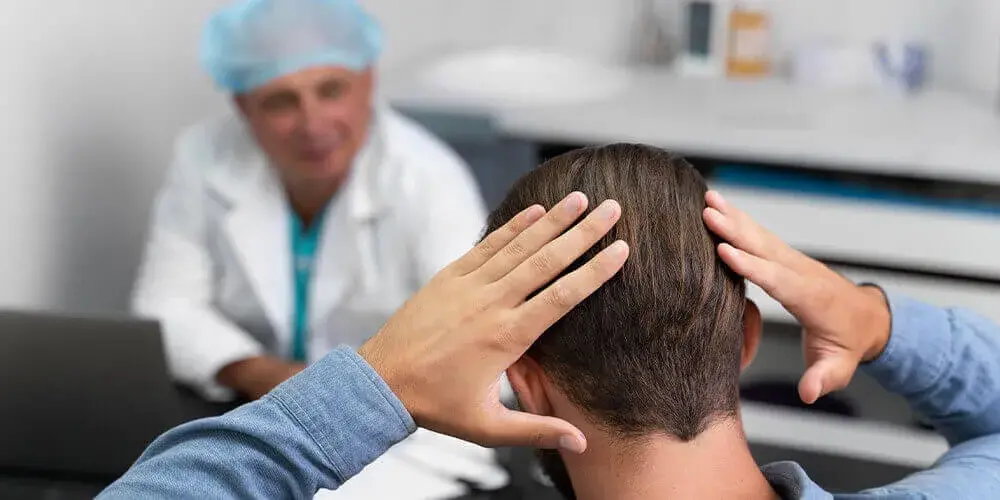
Why People Have So Many Questions About Hair Fall
Hair naturally goes through different phases of growth and shedding, so losing some hair every day is expected. However, the amount of shedding and the pattern of hair loss can vary from person to person.
Hair fall can also be influenced by genetics, hormonal changes, nutritional deficiencies, stress, certain scalp conditions and other health factors. This is why treating hair fall starts with understanding why it is happening, rather than simply trying different products.
Frequently Asked Hair Fall Questions
Normal Hair Fall
1. How much hair fall is normal each day?
Losing around 50–100 hairs a day is commonly considered within the normal range, although the exact amount can vary.
You may notice more hair while washing or brushing because several loose hairs can come out at the same time. What matters more is whether you notice a significant change from your usual shedding pattern.
2. When should I worry about hair fall?
Consider seeking professional advice if you notice sudden or excessive shedding, visible thinning, widening of the parting, receding hairline, bald patches or persistent changes in hair density.
Scalp symptoms such as itching, redness, scaling or pain may also warrant an evaluation.
3. Is seasonal hair fall normal?
Some people notice changes in shedding at certain times of the year. However, persistent or significant hair loss should not automatically be attributed to seasonal changes.
If shedding continues or is accompanied by visible thinning, identifying the underlying cause is important.
Causes of Hair Fall
4. Can stress cause hair fall?
Yes, significant or prolonged stress can be associated with increased hair shedding in some people.
Stress-related shedding may appear after a delay rather than immediately after the stressful event. If excessive shedding continues, a professional assessment can help determine whether stress is actually the underlying factor.
5. Does poor nutrition affect hair growth?
Yes. Adequate nutrition is important for normal hair growth and hair structure.
Deficiencies in certain nutrients, including iron and some vitamins and minerals, can contribute to hair shedding. However, supplements should not be taken automatically without identifying whether a deficiency is actually present.
6. Can lack of sleep contribute to hair loss?
Poor sleep can affect overall health and may contribute indirectly to hair concerns, particularly when combined with ongoing stress or an unhealthy lifestyle.
However, hair loss should not automatically be attributed to sleep alone. Persistent shedding may have other underlying causes.
7. Does dandruff cause hair fall?
Dandruff can be associated with scalp itching and irritation, and repeated scratching may contribute to hair breakage or increased shedding.
However, dandruff is not the only possible cause of hair loss. If excessive flaking or itching continues, treating the underlying scalp concern is important.
8. Can hard water damage hair?
Hard water may leave mineral deposits on the hair and can contribute to dryness, roughness or buildup in some people.
It is more commonly associated with changes in hair texture and manageability than with being a direct cause of hair loss. If you are experiencing significant shedding, look beyond water quality and consider other possible causes.
9. Can hormonal changes trigger hair fall?
Yes. Hormonal changes can influence the hair-growth cycle.
Hair shedding may occur with situations such as pregnancy and the postpartum period, menopause, thyroid-related conditions or certain hormonal disorders. Persistent or unexplained hormonal hair loss should be professionally evaluated.
Hair Care Questions
10. Which shampoo is best for hair fall?
There is no single shampoo that is best for every type of hair fall.
Choose a shampoo according to your scalp type and specific scalp concerns. If hair loss is caused by genetics, hormones, nutritional factors or another underlying condition, changing shampoos alone may not address the cause.
11. Does oiling stop hair fall?
Oiling can help condition the hair and may be part of a regular hair-care routine, but it should not be considered a treatment for every type of hair loss.
If you have an oily or dandruff-prone scalp, excessive oil application may not be suitable for you.
12. Can frequent hair washing cause hair loss?
Washing your hair does not usually cause hair loss from the follicle. However, you may notice loose hairs during washing that were already in the shedding phase.
The ideal washing frequency depends on your scalp type, oil production, sweating and lifestyle.
13. Does wearing a cap cause hair fall?
Wearing a cap does not generally cause hair loss when it is clean and comfortably fitted.
However, very tight headwear or prolonged friction may contribute to hair breakage or scalp discomfort. Keeping the scalp clean is also important if you regularly wear head coverings.
14. Can hair colouring cause hair fall?
Hair colouring does not usually cause hair loss from the follicle, but frequent colouring, bleaching or harsh chemical processing can damage the hair shaft.
This can make the hair dry and brittle, increasing breakage. If you colour your hair regularly, follow appropriate aftercare and avoid excessive chemical processing.
Treatment Questions
15. Can hair grow back naturally?
It depends on the cause.
Some types of temporary shedding may improve once the underlying trigger is addressed. Other forms of hair loss, particularly hereditary hair loss, may require ongoing management.
The earlier the cause is identified, the easier it may be to determine an appropriate approach.
16. When should I consider professional hair-loss treatment?
Professional evaluation is worth considering when hair fall is persistent, sudden or accompanied by visible thinning, bald patches or scalp symptoms.
A specialist can assess your hair and scalp and determine whether lifestyle changes, nutritional support, medical treatment or a hair-restoration procedure may be appropriate.
17. How do doctors identify the cause of hair fall?
Assessment usually begins with your hair-loss pattern, medical history, lifestyle, diet, medications and scalp examination.
Depending on your concerns, additional hair and scalp assessments may also be recommended. At VCare, assessments such as TrichoScan and Hair Mineral Analysis may be used when appropriate.
18. Can PRP support hair restoration?
PRP, or platelet-rich plasma therapy, uses components obtained from your own blood and is used as a treatment option for certain types of hair loss.
Whether it is appropriate depends on the cause and pattern of hair loss. It should be considered as part of an individual treatment plan rather than a universal solution.
19. Can GFC help with hair loss?
GFC, or Growth Factor Concentrate, is another injectable hair treatment that uses concentrated growth-factor components derived from blood.
It may be considered for selected cases of hair thinning or hair loss. Suitability depends on the individual's condition and professional assessment.
20. Is a hair transplant suitable for everyone?
No. Hair transplantation is not suitable for every person experiencing hair loss.
Suitability depends on factors such as the pattern and extent of hair loss, donor-hair availability, scalp condition and overall treatment goals. A specialist assessment is needed before deciding whether transplantation is appropriate.
Lifestyle Questions
21. Which foods support healthy hair?
A balanced diet containing adequate protein, iron-rich foods, fruits, vegetables, whole grains and other nutrient-dense foods can support overall hair health.
If you suspect a nutritional deficiency, it is better to confirm it with appropriate medical guidance rather than relying on supplements alone.
22. Can exercise improve hair health?
Regular physical activity supports overall health and can help with stress management.
Exercise itself is not a direct treatment for hair loss, but maintaining an active lifestyle can be part of a healthy routine alongside proper nutrition, sleep and hair care.
23. Does smoking affect hair?
Smoking can negatively affect overall health and has been associated with several factors that may influence hair and skin health.
If you are experiencing hair loss, smoking should be considered as one lifestyle factor among many rather than assumed to be the sole cause.
24. How does hydration influence scalp health?
Adequate hydration supports overall health and helps maintain normal body functions.
However, simply drinking more water will not treat an underlying hair-loss condition. Hydration works best as part of a balanced diet and healthy lifestyle.
Hair-Loss Myths
25. Does cutting hair make it grow faster?
No. Cutting the ends of your hair does not change the rate at which hair grows from the follicle.
Regular trims can help manage split ends and keep the hair looking healthier, but they do not accelerate hair growth at the scalp.
26. Can shaving the head make hair thicker?
Shaving does not increase the number of hair follicles or permanently change the hair-growth rate.
Hair may appear thicker when it first grows back because the newly grown ends are blunt, but this does not mean the follicles have become thicker.
27. Is hair fall always permanent?
No. Some types of hair shedding may improve when the underlying trigger is addressed, while other forms of hair loss can be progressive or require long-term management.
The outcome depends largely on the underlying cause, which is why proper evaluation matters.
28. Can supplements stop hair fall?
Supplements may help when nutritional deficiencies are contributing to hair shedding.
They are not a replacement for identifying other causes such as hereditary hair loss, hormonal changes or scalp conditions. Taking supplements without a confirmed need may also be unnecessary.
29. Does more shampoo mean less hair fall?
No. Using more shampoo or washing excessively does not necessarily reduce hair fall.
The goal is to maintain a clean, comfortable scalp using a cleansing routine appropriate for your scalp type.
30. Can stress-related hair fall be treated?
Stress-related shedding may improve once the underlying trigger is addressed, although hair recovery can take time because hair grows in cycles.
If significant shedding continues even after the stressful period has passed, professional assessment can help rule out other contributing factors.
Hair Fall Myths vs Facts
Myth | Fact |
Cutting your hair makes it grow faster | Trimming affects the hair shaft, not follicle growth. |
Shaving makes hair grow back thicker | Shaving does not increase follicle size or number |
All hair fall is permanent | Some types of shedding can improve when the underlying cause is addressed |
Oiling can stop all types of hair loss | Oiling can support hair care but does not treat every cause of hair loss |
Washing your hair causes hair loss | Washing can release hairs that were already in the shedding phase |
One supplement works for everyone | Nutritional needs vary, and supplementation should be individualised. |
Dandruff is the only cause of scalp-related hair fall | Hair loss can have many different causes |
More hair products mean healthier hair | Using too many or unsuitable products can contribute to buildup or irritation. |
When Should You Consult a Hair Specialist?
Occasional shedding is part of the normal hair-growth cycle. But certain changes deserve professional attention.
Consider consulting a hair specialist if you notice:
- Sudden or excessive hair shedding
- Noticeable thinning
- Widening of the central part
- Receding hairline
- Round or irregular bald patches
- Persistent scalp itching or flaking
- Scalp redness, pain or irritation
- Hair loss that continues despite improving your routine
A professional assessment can help distinguish temporary shedding from conditions that may require targeted treatment.
Where to Learn More
Understanding the cause of hair fall is often the first step towards choosing the right approach. Explore these related guides to learn more:
- Hair Loss Causes – Understand common factors that can contribute to hair thinning and shedding.
- Hair Growth Cycle – Learn how the natural growth, resting and shedding phases affect hair fall.
- Hair Fall Treatments – Explore treatment approaches based on different types of hair loss.
- Hair Analysis – Understand how professional hair and scalp assessments can help identify concerns.
- PRP Hair Treatment – Learn how platelet-rich plasma is used as a hair-loss treatment.
- GFC Hair Treatment – Explore Growth Factor Concentrate and its role in selected hair-loss cases.
Final Thoughts
Hair fall does not always mean something is seriously wrong. Some daily shedding is normal, while persistent or noticeable changes in hair density may point to an underlying concern.
Instead of relying on a single product, supplement or home remedy, focus on understanding what is causing your hair fall. A balanced diet, appropriate scalp care and healthy lifestyle habits can support overall hair health, while professional evaluation can help when shedding or thinning persists.
The right approach to hair fall starts with the right diagnosis.

 info@vcaretrichology.com
 +91 709 2525 252
 View All Locations


