

Hair Disorders: Types, Causes, Symptoms & Treatment Guide
Published on 2026-10-16 | By Admin
Hair problems are not always about hair fall. Hair disorders can affect hair growth, texture, colour, density, or strength in different ways. From gradual thinning and sudden shedding to patchy hair loss, premature greying, or excessive breakage, the signs can vary considerably.
The important thing is not to assume that every hair problem has the same cause. Genetics, nutritional deficiencies, hormonal changes, stress, autoimmune conditions, physical or chemical damage, and certain medical conditions can all play a role.
Understanding the different types of hair disorders and their possible causes is the first step towards finding an appropriate approach to managing them.
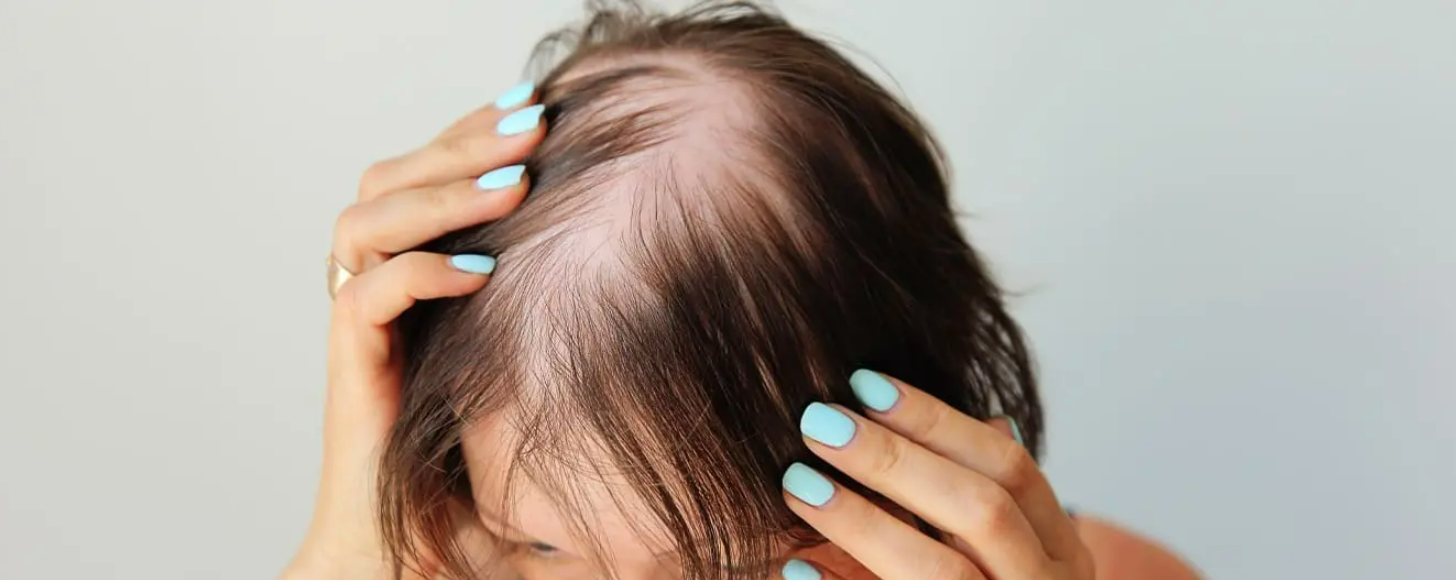
What Are Hair Disorders?
Hair disorders are conditions that affect hair growth, hair follicles, the hair shaft, or the normal hair cycle. They can cause symptoms such as excessive hair shedding, thinning, patchy hair loss, premature greying, or hair that becomes weak and breaks easily.
Some hair disorders develop gradually, while others may appear suddenly. The earlier the underlying cause is identified, the easier it may be to address factors contributing to the problem.
Why Does Hair Health Matter?
Healthy hair growth depends on more than just the products you use. The health of your scalp, hair follicles, nutrition, hormones, genetics, and overall health can all influence the hair cycle.
This is why simply changing shampoos may not always solve persistent hair problems. When hair fall, breakage, or other changes continue, understanding what is happening beneath the surface can make a significant difference.
Common Signs of Hair Disorders
Hair disorders can look different from person to person. Some of the common signs include:
- Increased hair shedding
- Gradual thinning of the hair
- Visible scalp or widening parting
- Sudden patchy hair loss
- Hair breakage
- Weak or brittle hair
- Changes in hair texture
- Premature greying
- Uneven hair growth
- Compulsive hair pulling
Not every change in hair means you have a hair disorder. However, persistent or sudden changes deserve attention, particularly when they are accompanied by visible scalp changes or significant hair loss.
What Causes Hair Disorders?
There is no single cause behind all hair disorders. The underlying trigger depends on the specific condition and may involve one or more factors.
Genetics
Genetic predisposition can influence hair density, hair loss, premature greying, and certain structural hair conditions. If similar hair concerns run in your family, genetics may be one of the factors involved.
Nutritional Deficiencies
Hair growth requires adequate nutrition. Deficiencies in nutrients such as iron, protein, or vitamin B12 may contribute to certain hair concerns, depending on the individual's overall health and nutritional status.
Hormonal Changes
Hormonal fluctuations can influence the hair growth cycle and may contribute to increased shedding or changes in hair density. Thyroid-related imbalances and other hormonal changes may also affect hair growth.
Stress
Physical or emotional stress can affect the normal hair cycle. Significant stress may trigger increased hair shedding in some people, particularly when it occurs alongside other factors such as illness, nutritional changes, or weight loss.
Autoimmune Conditions
Some hair disorders occur when the immune system mistakenly targets healthy cells or hair follicles. Alopecia areata, for example, can cause sudden patchy hair loss.
Chemical and Physical Damage
Frequent heat styling, chemical treatments, tight hairstyles, and repeated physical stress can weaken the hair shaft. Over time, this may result in hair breakage and changes in hair texture.
Types of Hair Disorders: What Is Your Hair Trying to Tell You?
Hair falling out, thinning, breaking, or turning grey early? Not every hair concern has the same cause. Here are some common types of hair disorders and the signs you may notice.
Androgenetic Alopecia
Hairline moving back or crown getting thinner?
This common form of hair loss is linked to genetics and hormonal sensitivity. Women may notice a wider parting and reduced hair density.
Diffuse Hair Loss
Does your hair feel thinner all over?
Overall thinning can be associated with stress, nutritional deficiencies, hormonal changes, medical conditions or genetics.
Telogen Effluvium
Suddenly seeing more hair on your pillow, comb or shower floor?
Increased shedding can occur after stress, illness, surgery, sudden weight loss or nutritional deficiencies.
Alopecia Areata
Noticed a sudden round or smooth bald patch?
Alopecia areata is an autoimmune condition that can cause patchy hair loss on the scalp or other areas.
Premature Grey Hair
Seeing grey strands earlier than expected?
Genetics plays a major role, while nutritional deficiencies, hormonal factors and oxidative stress may also contribute.
Trichotillomania
Irregular patches with hairs of different lengths?
Repeated hair pulling can lead to broken hairs, uneven patches and noticeable hair loss.
Trichorrhexis Nodosa
Hair keeps snapping or breaking easily?
This hair-shaft disorder makes hair fragile and may be associated with genetics, heat, chemical treatments or physical damage.
Different hair problems need different approaches. Identifying what’s behind the change is the first step towards choosing appropriate care.
How Are Hair Disorders Diagnosed?
Hair disorders can have overlapping symptoms, so diagnosis begins with understanding the pattern and possible cause of the problem. A hair specialist may examine the scalp and hair while considering your medical history, haircare practices, family history, nutrition, lifestyle, and pattern of hair loss.
At VCare, advanced diagnostic assessments such as TrichoScan can help evaluate hair density and other hair-related parameters. Hair Mineral Analysis may also be considered when nutritional factors are relevant.
Depending on the concern, additional investigations may be recommended to identify hormonal, nutritional, autoimmune, infectious, or other underlying factors.
The goal is not simply to identify how much hair you are losing. It is to understand why the change is happening.
Treatment Options for Hair Disorders
The right treatment depends on what’s causing the hair problem. Hair loss, excessive shedding and hair breakage can have different underlying causes, so treatment should be based on a proper diagnosis.
Depending on the condition, treatment may include:
- Correcting identified nutritional deficiencies
- Managing underlying hormonal or medical factors
- Specialist-prescribed medications
- Hair and scalp care modifications
- Treatments that support hair growth, where appropriate
- Behavioural support for conditions such as trichotillomania
- Professional hair and scalp therapies
For temporary hair shedding, addressing the underlying trigger may help support recovery. Hair-shaft disorders may require reducing heat, chemical treatments and physical damage to prevent further breakage.
A professional assessment can help identify the cause and determine the most appropriate treatment approach.
Daily Tips to Support Healthy Hair
While not every hair disorder can be prevented, everyday habits can help minimise avoidable hair and scalp damage.
- Follow a balanced, nutrient-rich diet.
- Avoid excessive heat styling and harsh chemical treatments.
- Avoid very tight hairstyles that repeatedly pull on the hair.
- Handle wet hair gently to reduce breakage.
- Choose haircare products suited to your scalp and hair type.
- Avoid repeatedly scratching or pulling the hair.
- Manage ongoing stress and maintain adequate sleep.
- Seek professional advice if excessive shedding or breakage continues.
Healthy hair care is not about using more products. It is about understanding what your hair actually needs.
When Should You Consult a Hair Specialist?
Occasional hair shedding is normal, but persistent, sudden, or noticeable changes should not always be ignored.
Consider consulting a hair specialist if you notice:
- Hair loss continuing for several weeks
- Sudden or rapidly increasing hair shedding
- Clearly visible bald patches
- Widening parting or progressive thinning
- Frequent hair breakage
- Sudden premature greying
- Significant changes in hair texture
- Hair loss accompanied by other health or scalp changes
Early assessment can help identify the underlying cause and prevent you from relying on treatments that may not be appropriate for your specific concern.
Final Thoughts
Understand the Hair Problem Before Treating It
Hair loss, thinning, greying, and breakage can have very different causes, so the right solution starts with understanding the problem. What works for temporary hair shedding may not be appropriate for autoimmune hair loss or a hair-shaft disorder.
If you're noticing persistent changes in your hair, don't rely on guesswork or keep switching between products. A professional hair and scalp assessment can help identify the underlying concern and guide a more personalised approach to treatment and care.
Frequently Asked Questions
What are the most common hair disorders?
Common hair disorders include diffuse hair loss, Telogen Effluvium, alopecia areata, premature greying, trichotillomania, and hair-shaft disorders such as trichorrhexis nodosa. Their causes and treatment approaches can be very different, which is why proper assessment matters.
Can hair disorders cause permanent hair loss?
Some hair disorders can cause long-term or permanent hair loss, while others may be temporary or reversible. The outcome depends on the underlying condition, how the hair follicles are affected, and whether the cause can be identified and managed.
Can stress cause hair loss?
Yes, significant physical or emotional stress can contribute to increased hair shedding in some people. However, stress is not the only possible cause, so persistent hair loss should be evaluated rather than automatically attributed to stress.
Is alopecia areata the same as normal hair fall?
No. Alopecia areata is an autoimmune condition that typically causes sudden, patchy areas of hair loss. Ordinary shedding and diffuse thinning usually present differently, although a specialist assessment may be needed to distinguish between conditions.
Can nutritional deficiencies affect hair growth?
Yes, certain nutritional deficiencies may contribute to hair shedding or changes in hair quality. If a deficiency is suspected, appropriate testing can help determine whether nutrition is contributing to the problem.
Can damaged hair grow back?
Hair that has broken due to physical or chemical damage cannot repair itself once the shaft is damaged, but new hair can grow from healthy follicles. Reducing heat, chemical exposure, and physical stress can help minimise further breakage.

 info@vcaretrichology.com
 +91 709 2525 252
 View All Locations


